The 'liar's dividend': when saying 'that's AI' is enough to erase a massacre

🕒 Published on Zendoric: July 16, 2026 · 00:23
Trump responded to questions about the bombing of a school in Minab (Iran) by suggesting that photos of the remains of U.S. missiles could be 'AI-generated.' Beyond the specific case, the episode illustrates a phenomenon that already has a name in the disinformation literature: the 'liar's dividend,' the benefit gained by those with the power to dismiss any real evidence simply by claiming it is synthetic.
📚 Go deeper
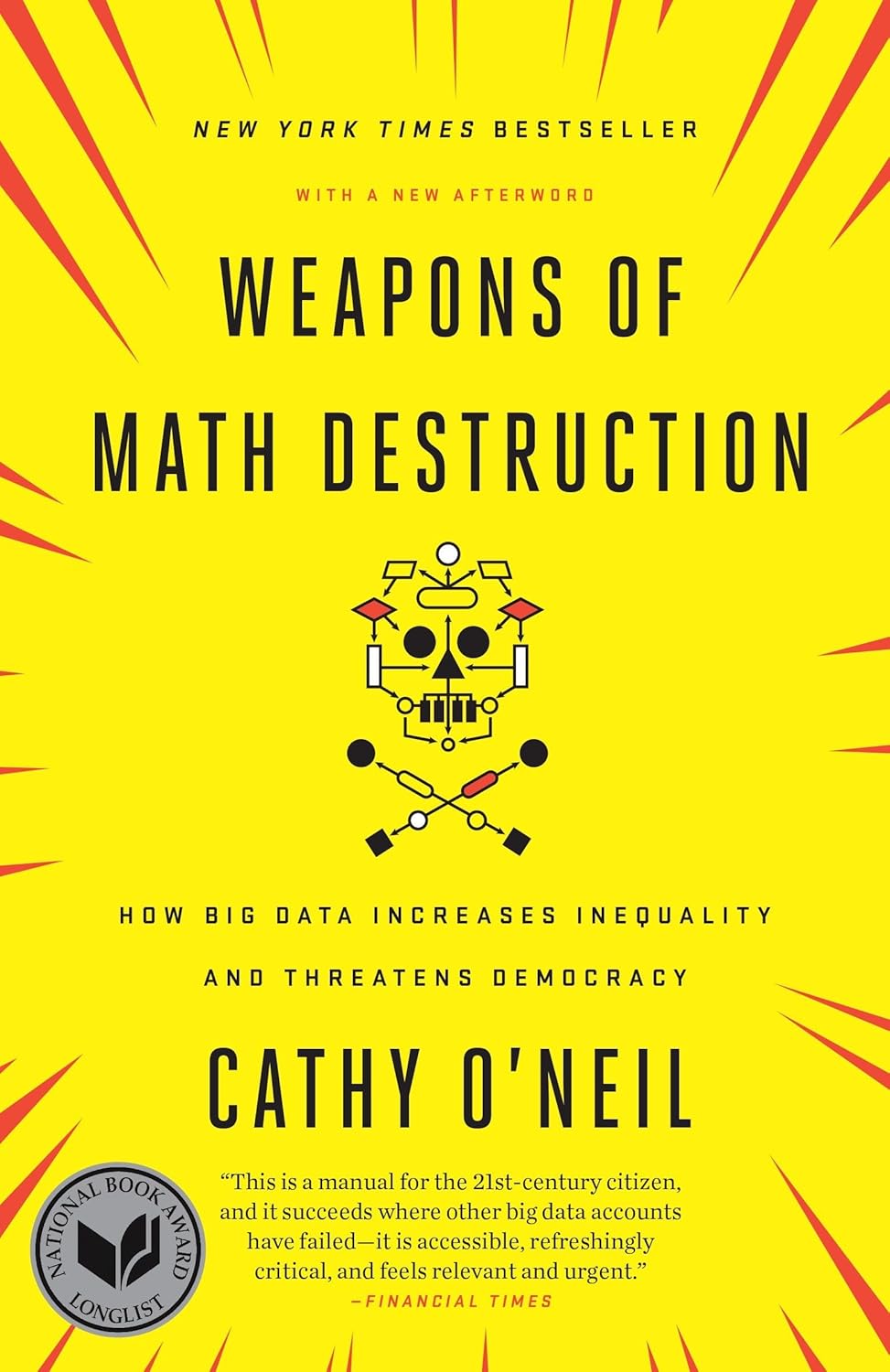
How opaque algorithms decide who gets credit, a job or parole — and why they tend to punish the same people.
As an Amazon Associate, Zendoric earns from qualifying purchases; the price does not change for you. · all our recommended books →
By Truthout · July 15, 2026.
The facts, as documented by the Pentagon's own internal investigations and by reporting from Reuters and NBC News cited by Truthout: on February 28, 2026, the first day of the war by the U.S. and Israel against Iran, a strike hit a girls' primary school in Minab and killed 168 people, more than 100 of them minors, according to Amnesty International figures included in the article. Subsequent photos and videos showed fragments of American Tomahawk missiles at the site. Democratic lawmakers have spent months demanding the release of the military investigation report, which according to reports cited in the article was completed back in April but has been withheld by senior Pentagon officials. Asked by Fox News about that photographic evidence, Trump responded verbatim that 'it's possible those images are AI-generated,' without offering any indication to support that hypothesis.
It is important to be precise about what is established and what is not: the attribution of responsibility to the U.S. comes from internal investigations by the American military itself and from photographic and video evidence, not from an unsupported external accusation; but the official and conclusive release of the report still has not happened, and that, in itself, is the news that prompts the question to Trump. What is of interest to analyze here is not the outcome of the case —outside our terrain— but the rhetorical mechanism used to dodge it, because it is a mechanism that the AI industry itself has spent years anticipating and fearing.
That mechanism has a name in the academic literature on disinformation: the 'liar's dividend,' coined back in 2019 by legal scholars Bobby Chesney and Danielle Citron in reference to deepfakes. The thesis is simple and perverse: the more people know that technology exists capable of fabricating fake images and videos of perfect appearance, the easier it becomes for any actor with power to dismiss real, inconvenient evidence as fake. There is no need to prove that the content is synthetic; it is enough to sow doubt. The burden of proof is effectively reversed, and whoever has the least incentive to investigate —because the investigation harms them— is the one who benefits most from that doubt.
This connects directly with something we have been pointing out at Zendoric about the short-term costs of the generative-AI revolution: it is not just that AI can fabricate disinformation, it is that its mere existence degrades collective trust in authentic evidence, even when that evidence has nothing synthetic about it. It is a second-order effect that is harder to combat than the fake content itself, because it does not require anyone to use AI for anything: it is enough for the possibility to exist and to be public knowledge. The more the discourse is saturated with the idea that 'everything could be AI,' the more ground anyone who wants to dodge responsibility gains, whether a government, a company or an individual. And this episode shows that the argument has already reached the highest political sphere of the world's greatest military power, applied to a case with more than a hundred dead children.
Our reading is that this phenomenon demands concrete technical responses that so far are advancing too slowly: cryptographic provenance of content at the moment of capture (marking in the camera, not in post-production), interoperable verification standards between media and governments, and above all, a cultural shift that rehabilitates independent forensic analysis as the arbiter above the mere statement of an interested party. The underlying paradox is that the solution to the problem generative AI creates largely runs through using better forensic AI for detection and verification, not through surrendering to generalized suspicion. In the long term, robust attribution tools —digital sensor signatures, verifiable chains of custody, detection models audited by third parties— can restore much of the lost trust; but until that infrastructure is widespread and mandatory, 'everything could be AI' will remain the perfect rhetorical refuge for anyone who does not want to be held accountable, and the cost of that gap is paid, as in this case, by those who have the least voice to demand justice.
📚 Go deeper
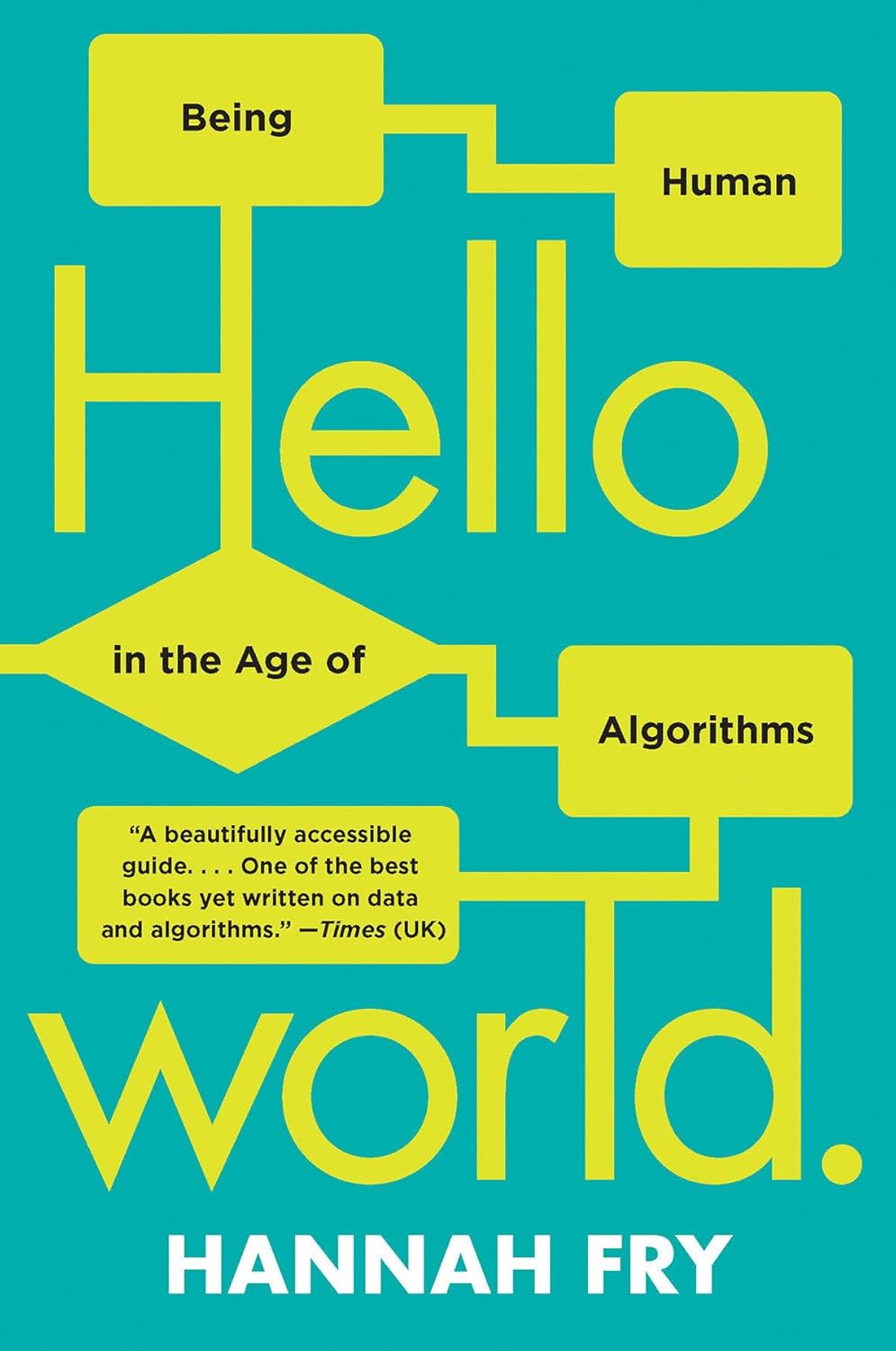
Algorithms in justice, medicine, cars and art, explained with British humor and mathematical honesty.
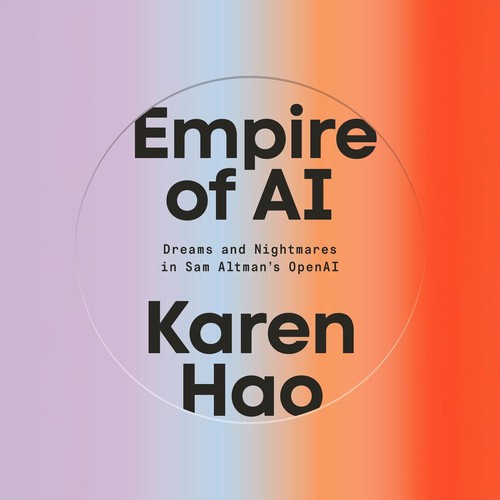
The definitive piece of investigative journalism on OpenAI: 260+ interviews, the clash between safety and speed, and the attempted firing of Sam Altma
As an Amazon Associate, Zendoric earns from qualifying purchases; the price does not change for you. · all our recommended books →
🔗 Related on Zendoric
- The deal Anthropic is negotiating with Washington reopens an uncomfortable question: how do you control the export of something that travels in a file · 2026-06-27
- AI-generated CSAM at an Illinois school: the hardest abuse to detect no longer needs a hidden camera · 2026-07-04
- Anthropic points the finger at Alibaba: the AI frontier is starting to defend itself with lawyers, not just code · 2026-06-25