Washington seeks a fast ruling in its legal clash with Anthropic over the 'security threat' label
🕒 Published on Zendoric: July 16, 2026 · 00:23
The U.S. government filed a brief seeking a ruling in its favor against Anthropic's lawsuit over the 'national security threat' designation imposed on it by the Department of Defense. The company argues its rights are being violated; Washington denies it point by point.
📚 Go deeper
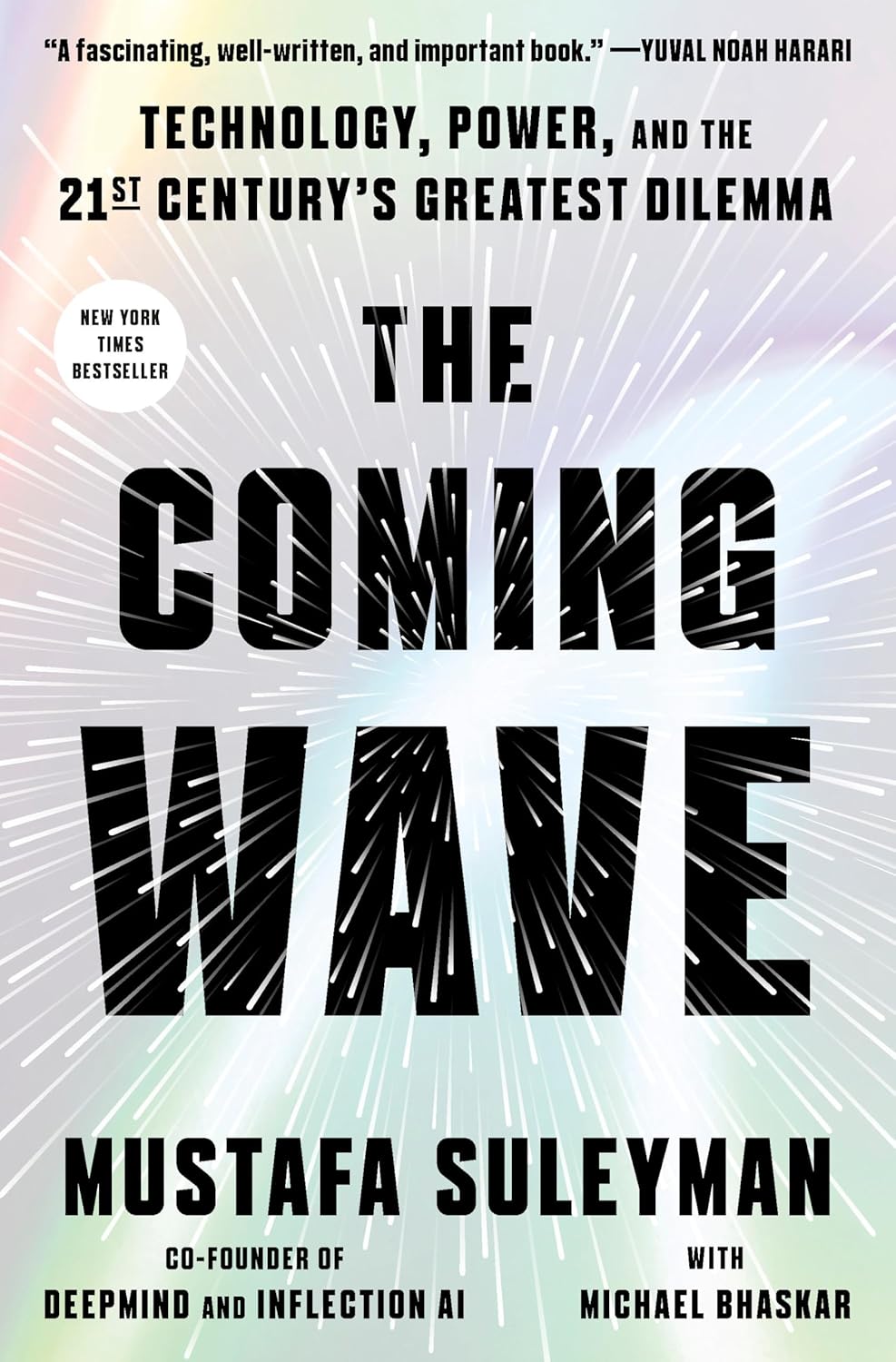
DeepMind co-founder on the dilemma of containing technologies that do not want to be contained.
As an Amazon Associate, Zendoric earns from qualifying purchases; the price does not change for you. · all our recommended books →
By MLex · July 15, 2026.
The United States Government has filed a reply brief asking the court to rule in its favor in the lawsuit Anthropic brought against its own designation as a 'national security threat,' a label imposed by the Department of Defense that the company is challenging in court. According to the document cited by MLex, the Government's defense argues that its actions "do not infringe Anthropic's right under the First Amendment to speak about AI policy" nor "deprive it of a vested liberty or property interest," and it also denies any violation of the Administrative Procedure Act (APA), "however much Anthropic disagrees with the Secretary [of Defense]'s assessment of its reliability."
It is, in essence, a procedural skirmish: one more brief in a legal battle that will likely drag on for months, and one for which we still know neither the judge's ruling nor the real scope of the original designation. But the very fact that the Government itself needs to argue in writing that it has not violated the First Amendment or due process against a top-tier AI lab is, in itself, a signal: the litigation confirms that Washington is willing to use the national-security machinery —not just export controls or chip tariffs— as a tool to label, pressure and potentially restrict the companies that build the most advanced models.
This connects with something we had already been observing: the case of the 'Legion' order, in which a government mandate cut off access to frontier models in a single day, made clear that relying on cloud-hosted AI infrastructure amounts to accepting a kill switch that can be activated by a regulatory decision beyond the customer's control. This dispute over the 'risk designation' is the other side of the same coin: no longer the end user's access, but the lab's own social and legal license to operate without the shadow of a 'threat' label. When the State can declare an AI company 'unreliable' by invoking national defense, the playing field ceases to be merely technical or commercial and becomes explicitly geopolitical and legal.
Our reading is that this type of legal standoff will multiply as frontier AI is perceived as a strategic asset. There is nothing in the available material to judge whether the designation against Anthropic is well or poorly founded —that is precisely what the court will settle—, and it is worth not confusing the Government's argument (which merely defends that its process was legal) with proof that the underlying assessment of the company is correct. What is significant is the precedent being set: if a court upholds that the Executive can label an AI developer as a national-security risk with minimal judicial oversight, any other lab —open or closed, American or not— is exposed to a similar mechanism. In general, that is the underlying tension of 2026: the same governments that depend on these companies to avoid losing the technological race against China are the ones giving themselves the most instruments to intervene in them whenever they deem it necessary. In the long term we remain convinced that the abundance AI can bring justifies the effort of building governance guardrails; but the less transparent and more discretionary the process for activating those guardrails, the harder it will be to distinguish legitimate protection from the political use of the 'national security threat' as a weapon against an inconvenient competitor.
📚 Go deeper
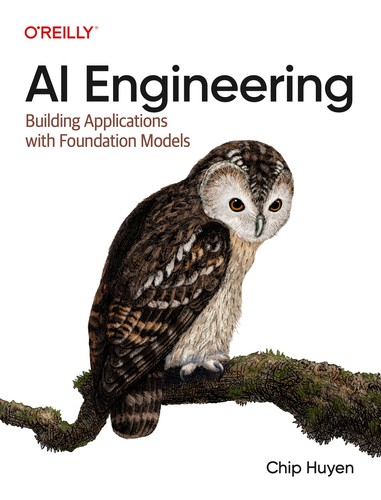
The reference manual for building products on top of AI models: prompts, RAG, fine-tuning, agents, evaluation and deployment.
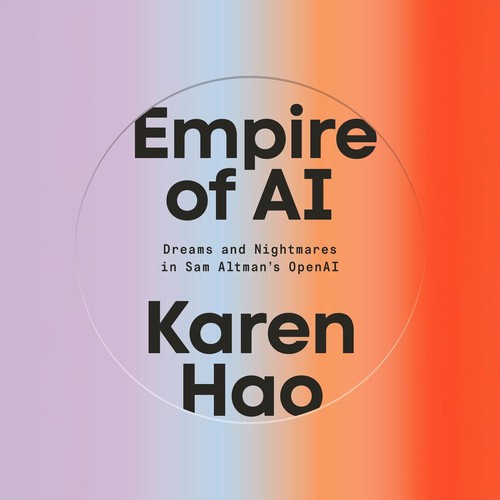
The definitive piece of investigative journalism on OpenAI: 260+ interviews, the clash between safety and speed, and the attempted firing of Sam Altma
As an Amazon Associate, Zendoric earns from qualifying purchases; the price does not change for you. · all our recommended books →
🔗 Related on Zendoric
- Claude Fable 5 and the first AI 'blackout' over national security: a precedent that changes the sector's rules · 2026-06-29
- When a decree shuts off an API: the Legion case exposes the fragility of building on a single AI provider · 2026-06-24
- When the state shuts down a model: the Fable 5 case redefines who's in charge of frontier AI · 2026-06-25