Ackman sees a 'Chinese superintelligence' that would threaten democracy: real alarm, scarce evidence

🕒 Published on Zendoric: July 16, 2026 · 00:23
✨ AI-generated · how it's made
Investor Bill Ackman warns that Chinese spending on data centers, without the energy and regulatory constraints of the U.S., could give Beijing the lead in the race toward superintelligence. The warning is legitimate as a geopolitical signal, but it rests more on rhetoric than on verifiable technical evidence.
📚 Go deeper
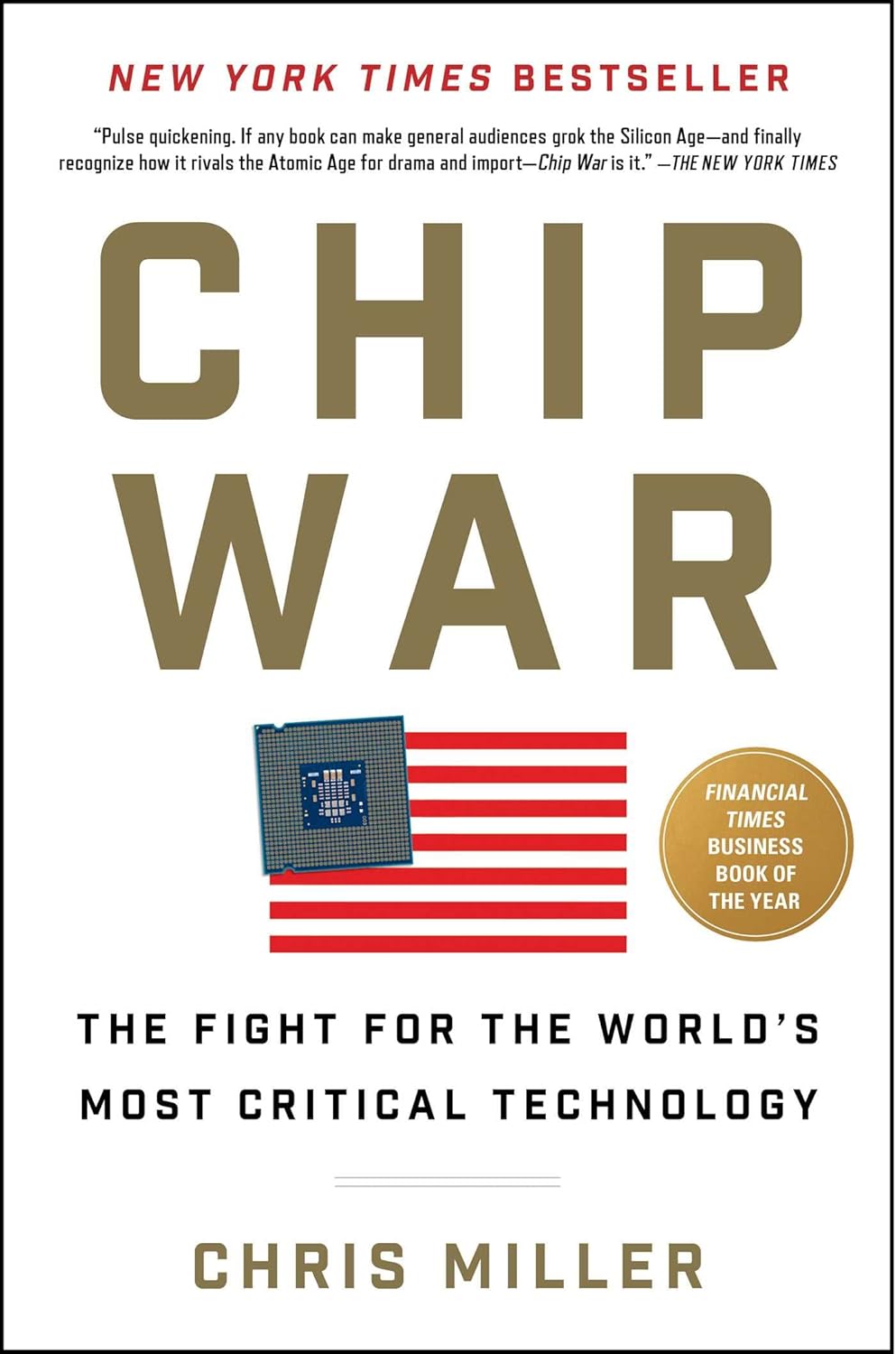
Semiconductors as the oil of the 21st century: history, espionage, and why an island of 23 million people underpins the entire AI economy.
As an Amazon Associate, Zendoric earns from qualifying purchases; the price does not change for you. · all our recommended books →
By Benzinga · July 15, 2026.
Bill Ackman, CEO of Pershing Square, posted a warning on social media on Wednesday: China is building data center infrastructure at a pace the United States cannot match, held back by permits, power grid limits and regulatory friction. His chain of reasoning is simple: more compute trains more capable models; whoever reaches artificial superintelligence first wins the geopolitical race; and if that lead falls to China, "our country and our democracy will be at risk," in his words. The original article frames the thesis by citing Alibaba, Tencent, Baidu and ByteDance as the corporate engine behind tens of billions in AI investment through 2027, backing Beijing's push.
It is worth separating two things that Ackman himself mixes together: the real signal and the rhetorical leap. The real signal exists and we have been tracking it for months: China is closing the gap with the West quickly, especially in the field of open-weight models (GLM, Qwen, DeepSeek, Kimi), and it is doing so with a state-led coordination of energy and infrastructure that the U.S., fragmented between local permits and environmental objections, cannot replicate at the same speed. That is an industrial-policy fact, verifiable in the spending announcements of Chinese hyperscalers and in the literature on energy planning. The rhetorical leap is another matter: from "China is building more data centers" to "American democracy will be at risk" there is an enormous stretch that Ackman does not back with any technical data—no benchmarks, no capability evaluations, no evidence that a decisive advantage in frontier research already exists. It is the statement of an investor with a megaphone, not an AI evaluation report.
Our reading is that this kind of alarmism serves a real political function—pressuring to loosen energy permits and accelerate investment in American infrastructure—but it rests on the same mechanism we have already noted in other episodes of this rivalry: framing substitutes for measurement. When we compare real capability against the indices we routinely track, the frontier is still led by Anthropic and OpenAI, with the Chinese open-weight models close on their heels but without having surpassed it in the most demanding tests. What is true, and here Ackman touches a legitimate nerve, is that compute and energy are the bottleneck that will determine who reaches the next generation of systems first, and that a centralized regime can deploy that infrastructure with less friction than a democracy with institutional checks. That is not a minor flaw of democracy: it is, precisely, the kind of counterweight that makes it harder for AI power to concentrate without oversight, something we at Zendoric consider a structural advantage over the medium term, not a weakness to be corrected at any price.
In the short term, the risk of a poorly governed infrastructure race is real: energy and compute spending decisions taken today, with no clear regulatory framework in either bloc, may lock in structural advantages that will be hard to reverse over the next decade. But it is worth not losing sight of the long horizon: whatever geopolitical bloc leads each milestone, the outcome that truly matters—models capable of accelerating medical research, making energy cheaper and multiplying the abundance of resources—depends more on the governance of these capabilities being prudent than on which flag flies over the largest data center. Alarms like Ackman's are useful as a thermometer of investor anxiety, but serious analysis requires separating rhetoric from evidence before turning it into public policy.
📚 Go deeper
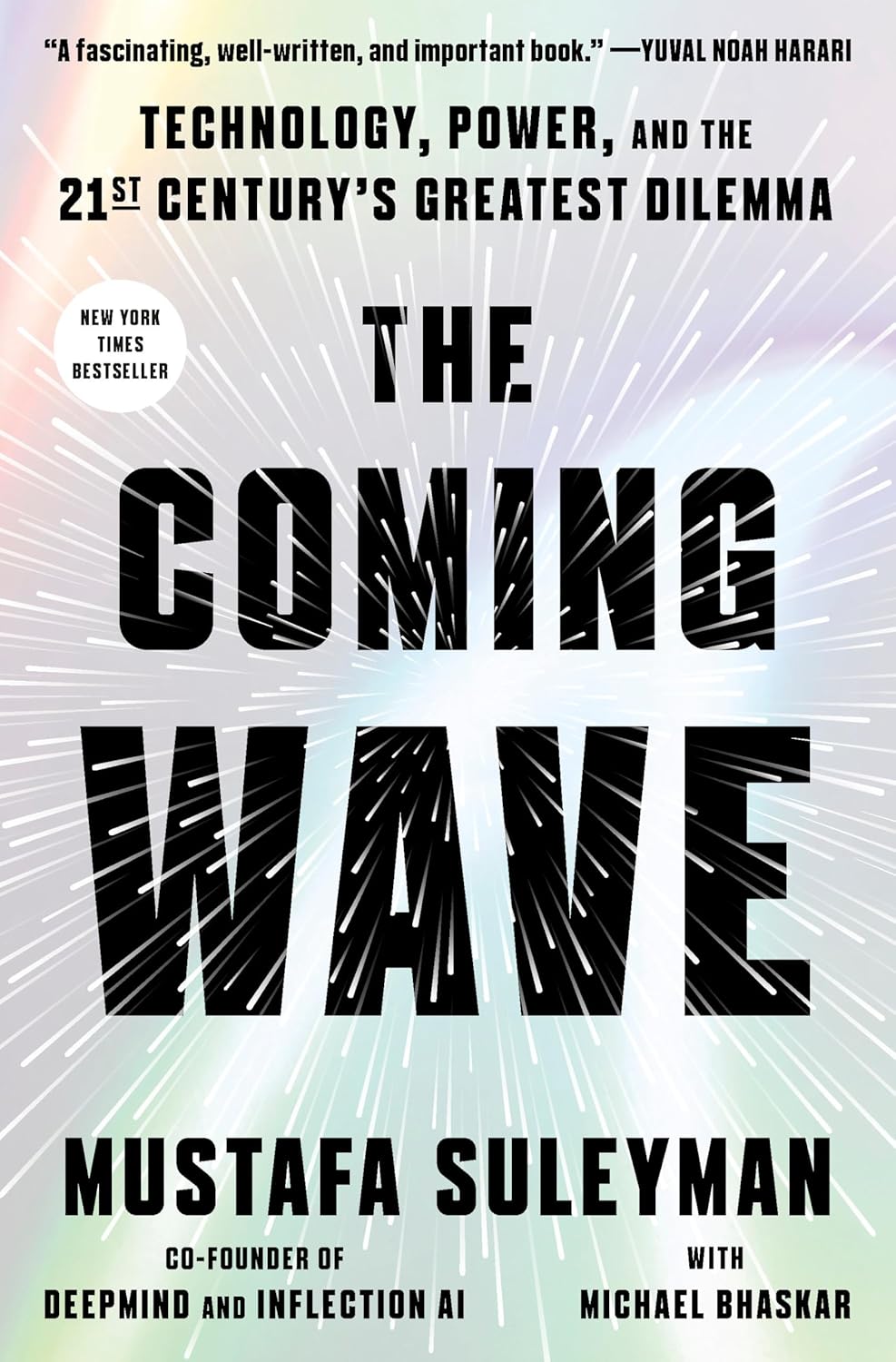
DeepMind co-founder on the dilemma of containing technologies that do not want to be contained.
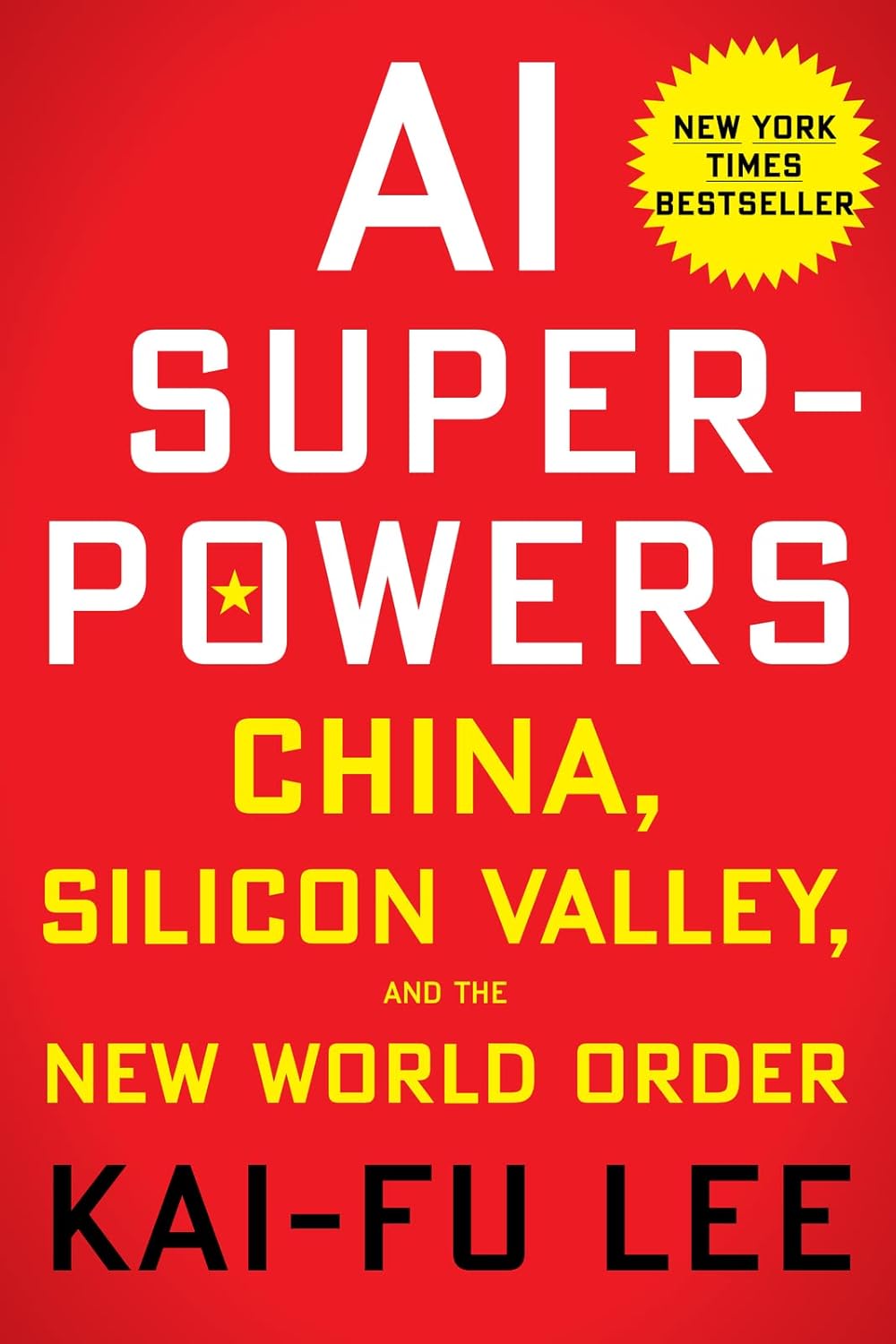
China vs.
As an Amazon Associate, Zendoric earns from qualifying purchases; the price does not change for you. · all our recommended books →
🔗 Related on Zendoric
- Meta and Qualcomm seal an alliance that moves mobile energy efficiency to the heart of the AI data center · 2026-06-25
- The EU joins a pact with the U.S. to reduce its reliance on Chinese AI supply chains · 2026-06-26
- When rivals share the same fear: why the U.S. and China need common rules for AI · 2026-06-26