Claude for Teachers: why Anthropic is giving its AI to teachers before selling it to anyone else

🕒 Published on Zendoric: July 15, 2026 · 08:41
Anthropic is offering a free year of Claude to K-12 teachers in the U.S., with state-aligned curricula and privacy guarantees under FERPA. It's not pure philanthropy: it's Anthropic's bet to get into classrooms before the competition does, and proof that AI delivers more by easing teachers' administrative burden than by replacing them.
📚 Go deeper
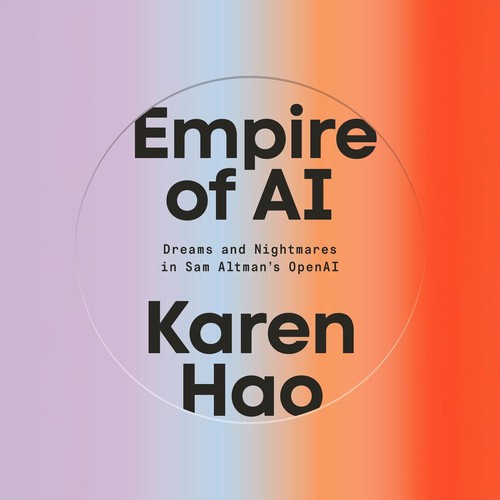
The definitive piece of investigative journalism on OpenAI: 260+ interviews, the clash between safety and speed, and the attempted firing of Sam Altma
As an Amazon Associate, Zendoric earns from qualifying purchases; the price does not change for you. · all our recommended books →
By Anthropic · July 15, 2026.
Anthropic has launched Claude for Teachers, a version of its assistant designed for K-12 primary and secondary school teachers in the United States. Verified educators who sign up before June 30, 2027 get a year of free access to premium features, with one notable twist: the assistant connects to Learning Commons, a repository that gives it access to the academic standards of all 50 states and to already-validated curricula such as OpenSciEd or Illustrative Mathematics. Added to this are integrations with tools from the educational ecosystem —Canva Education, MagicSchool, Brisk Teaching, ASSISTments, Diffit, TeachFX, Snorkl, Eedi and Coteach— and automation capabilities via Claude Code and Cowork, which allow, for example, scheduling Claude to review students' answers each afternoon and adjust the next day's lesson. Anthropic also includes a K-12-specific Data Processing Addendum and guarantees compliance with FERPA, the federal student privacy law, with an explicit commitment not to use teacher or student data to train its models.
This should not be read as merely an altruistic gesture. Giving away the product to a group of several million teachers in the US is, above all, a user-acquisition strategy: someone who gets used to planning lessons with a tool over a school year rarely switches afterward, and the school districts that adopt Claude bring future institutional contracts along with them. Anthropic is not the first to enter this territory —OpenAI and Google have been courting universities and schools with their own educational versions for some time— but it does arrive with a different approach: instead of a generic chatbot, a product anchored to real curriculum standards and with a regulatory-compliance apparatus built in by design, not tacked on after a privacy scandal. In a sector so sensitive to minors' data, that difference in approach may weigh more than the marketing.
The case is a good illustration of a thesis we have maintained in our analysis of AI and employment by sector: in education, replacing the teacher is not what wins; the teacher who learns to orchestrate AI is. The tasks Anthropic highlights —planning lessons, generating differentiated materials according to each student's level, analyzing attendance data and diagnostics, automating the review of repetitive exercises— are precisely those that consume the hours a teacher does not spend teaching. If the tool delivers on its promise, the freed-up time does not disappear: it shifts to the relationship with the student, which remains the irreplaceable core of the profession. That is also the underlying logic of our long-term thesis: AI delivers its greatest value not by replacing human judgment and connection, but by absorbing the administrative friction that smothers it.
That said, the short-term nuances should not be overlooked. A free year is not a sustainable or forever-free model, and dependence on an ecosystem of third-party curricula and platforms creates a lock-in that school districts should negotiate with their eyes open, especially around what happens to data and prices once the promotional period ends. It also remains to be seen which segments of the teaching profession actually benefit: the promise of administrative time savings tends to be distributed unevenly among schools with differing technical resources, and the announcement itself limits the initiative to the United States, leaving out —for now— educational systems with less bargaining power against these tech giants.
Overall, the episode confirms that the generative AI race is no longer fought solely on reasoning benchmarks, but in the conquest of entire institutions —classrooms, hospitals, law firms— where adoption is measured in years of contract, not in headlines. Anthropic has chosen education as an early deployment ground, betting that a teacher won over during a school year is worth more, in the long run, than any advertising campaign.
📚 Go deeper
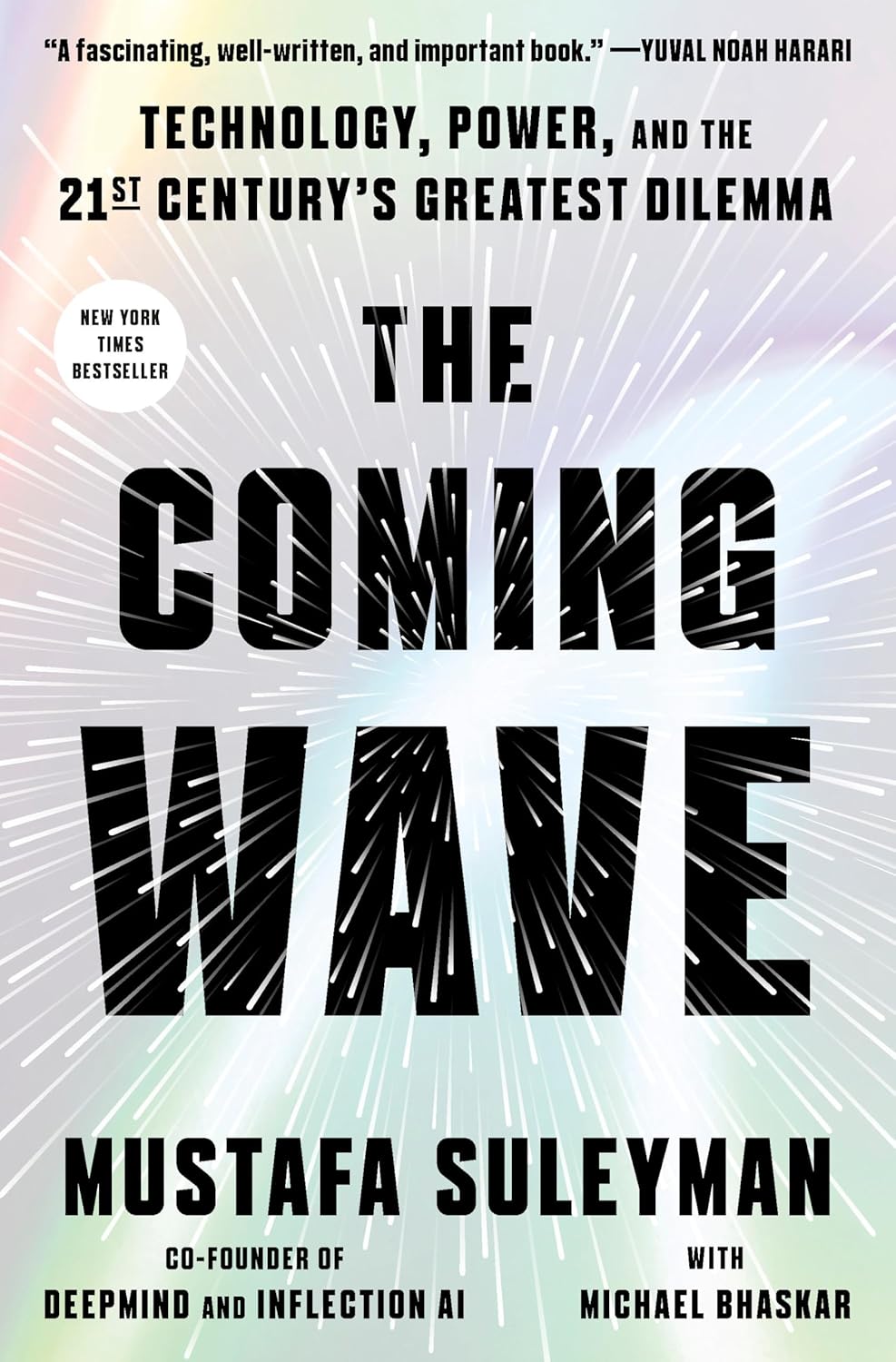
DeepMind co-founder on the dilemma of containing technologies that do not want to be contained.
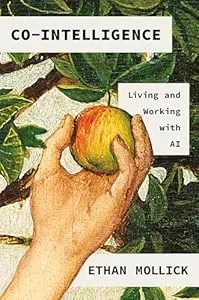
The best starting book if you're not technical: a Wharton professor explains how to work WITH AI — when to delegate, when to supervise, when to keep i
As an Amazon Associate, Zendoric earns from qualifying purchases; the price does not change for you. · all our recommended books →
🔗 Related on Zendoric
- When the state shuts down a model: the Fable 5 case redefines who's in charge of frontier AI · 2026-06-25
- Claude Science: Anthropic takes aim at the heart of science and health with a dedicated product · 2026-07-01
- Claude Science: Anthropic turns its model into a lab for researchers and takes direct aim at AI's most ambitious promise · 2026-07-01