Scott Galloway: with AI here, your child had better know how to tell a story and take a 'no' than memorize Mandarin

🕒 Published on Zendoric: July 15, 2026 · 08:41
✨ AI-generated · how it's made
With up to 60% of Canadian jobs exposed to AI disruption, NYU professor Scott Galloway points to three skills no curriculum teaches: storytelling, genuine human connection and tolerance for rejection. It's a risky bet, but it fits a pattern we're already seeing sector by sector: the administrative falls, the human endures.
📚 Go deeper
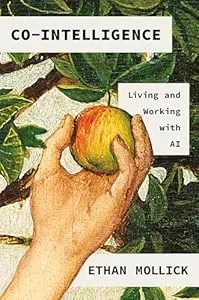
The best starting book if you're not technical: a Wharton professor explains how to work WITH AI — when to delegate, when to supervise, when to keep i
As an Amazon Associate, Zendoric earns from qualifying purchases; the price does not change for you. · all our recommended books →
By Yahoo Finance Canada (Money.ca) · July 15, 2026.
The data framing this piece are unsettling for their scale, not for being new: Statistics Canada estimates that as many as 60% of the country's workers hold jobs at high or moderate risk of significant disruption from AI, and the Future Skills Centre —a federally funded research body— found that 44% of Canadian workers fear their job will end up automated. That is the backdrop against which Jensen Huang, in a commencement address at Carnegie Mellon in May, urged optimism on 5,800 new graduates: "a new industry is being born," he said, and no previous generation had begun its working life with such powerful tools. Against that enthusiasm, an anonymous financier quoted by the Financial Times offered a dissonant note: his firm, he recounted, is deliberately recruiting humanities graduates ahead of "AI-native" profiles, because the latter produce surprisingly shallow work when they lean too heavily on the tool. That testimony should be treated for what it is —a single-source anecdote, not a study— but it points in the same direction as the rest of the article.
Into that context steps Scott Galloway, NYU Stern professor and entrepreneur, in a conversation with Steven Bartlett on The Diary of a CEO podcast. His answer to what young people should learn is deliberately against the grain: not programming or data science, but storytelling, human relationships and the ability to absorb rejection. He defines storytelling not as making up stories but as the ability to look at data, build a narrative arc and communicate it convincingly —he cites Jeff Bezos's 1997 shareholder letter as an example, so persuasive that reading it made even him want to invest. The second skill is building real relationships with "other sentient beings," a form of capital that no algorithm replicates and that opens doors no LinkedIn network opens. The third, less discussed, is tolerance for rejection: Galloway argues that young people, especially men, are dangerously out of practice at hearing a "no" and carrying on, and he recommends exposing them early to low-risk settings —debates, sales, open mics— where that muscle is trained. In passing he takes a jab at the previous generation of educational bets: a decade ago elite schools pushed Mandarin and computer science as the two currencies of future success; today, he says wryly, no one is grateful that their child knows Mandarin.
Our reading: the article offers no study measuring the return on these three skills, and that must be said with the same clarity used to tell the FT financier's anecdote —it is a reasoned hunch from a commentator, not causal evidence. But the direction matches something we have been documenting sector by sector: administrative, routine and back-office work is the most exposed to automation, while expert judgment, human relationships and what happens face to face hold up better. Telling a story with data, building personal trust and surviving rejection are not decorative "soft skills": they are, precisely, the capabilities a language model does not replace even if it writes better prose or codes faster than a junior. The irony is instructive: the generation that bet on Mandarin and computer science as career armor now finds that generative AI already writes reasonable code and translates in real time, while persuading an investor or building trust in a room remains human terrain.
This does not contradict Huang's optimism, it qualifies it. It is perfectly compatible to hold that an era of unprecedented opportunity is opening —the long-term thesis we share, in which the abundance AI can bring frees human labor for what adds distinctive value— and, at the same time, to acknowledge that the transition will be hard and that betting a child's education on a single technical skill is a fragile strategy against a technology that evolves faster than any university program. The most sensible bet, given the evidence available today, is not to choose between learning AI or learning to tell stories: it is to build adaptable, curious and relationship-oriented people who can use the tool without the tool replacing what makes them irreplaceable.
📚 Go deeper
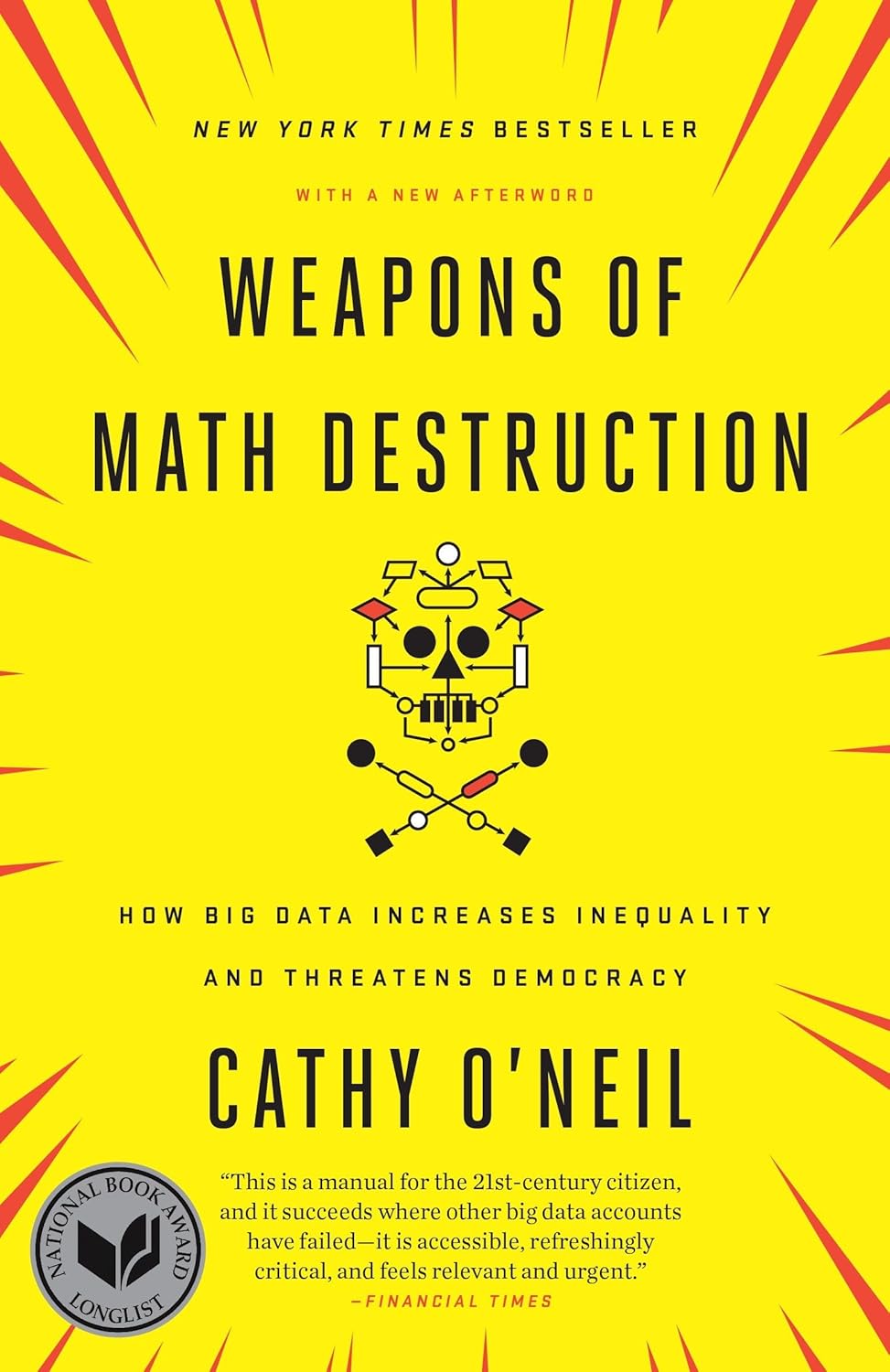
How opaque algorithms decide who gets credit, a job or parole — and why they tend to punish the same people.
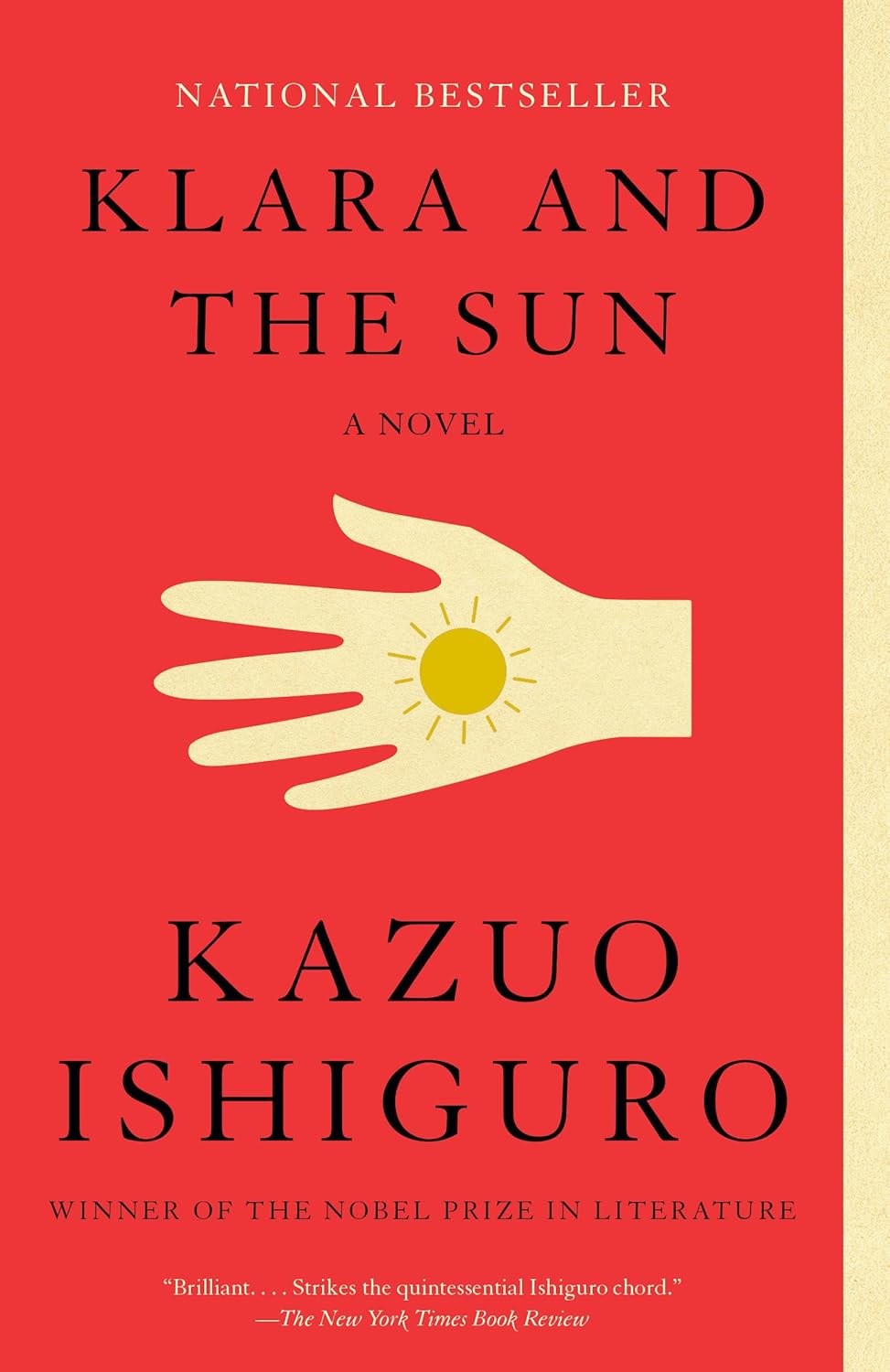
The only novel on the list, by a Nobel laureate: an artificial friend observes humans with a blend of lucidity and innocence no essay achieves.
As an Amazon Associate, Zendoric earns from qualifying purchases; the price does not change for you. · all our recommended books →
🔗 Related on Zendoric
- AI is revaluing human skills: why theater and the performing arts are the best training for the future job market · 2026-06-28
- The chatbot as a teen's confidant: a study in The Lancet flags two real risks the industry cannot ignore · 2026-06-30
- When Grief Meets Generative AI: Spain's Missing-Pet Scam Shows Fraud's New Playbook · 2026-07-03