Ainsworth Game Technology (ASX:AGI): a stalled takeover bid and a family war, not an AI story

🕒 Published on Zendoric: July 15, 2026 · 08:41
The AGI ticker may be confusing, but this story has nothing to do with artificial intelligence: it's the corporate tussle over control of an Australian slot-machine maker, caught between a failed Novomatic takeover bid and a family dispute with dividends at stake.
📚 Go deeper
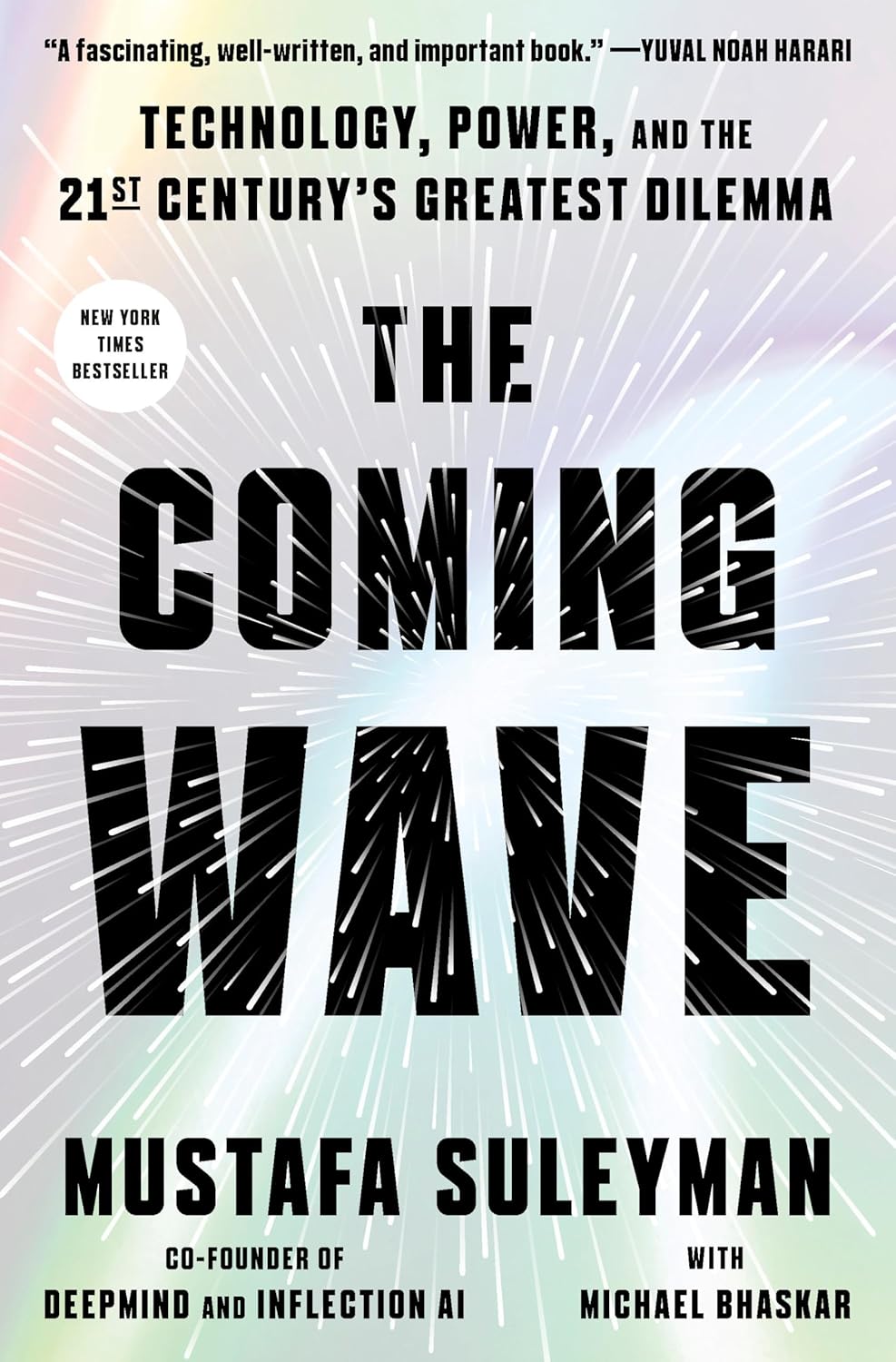
DeepMind co-founder on the dilemma of containing technologies that do not want to be contained.
As an Amazon Associate, Zendoric earns from qualifying purchases; the price does not change for you. · all our recommended books →
By Kalkine · July 15, 2026.
It's worth clarifying from the outset why this piece appears in a feed tagged as superintelligence: it's a pure coincidence of acronyms. Ainsworth Game Technology trades on the ASX under the code AGI, but it is a maker of slot machines and gaming systems, with no connection whatsoever to artificial intelligence. We are not going to force a connection that doesn't exist; our editorial line is based on analyzing verifiable facts, and here the facts belong to the realm of corporate governance and the finances of a gaming company, not the technology we usually cover.
That said, the facts themselves are these: Novomatic, the Austrian gaming group that together with its associates controls close to 60% of Ainsworth, launched an unconditional takeover offer at 1.00 Australian dollar per share, recommended by the board. The offer fell short of its target and a related transaction agreement was terminated in February 2026. The situation has remained unresolved since then. Added to this is an internal dispute: Kjerulf Ainsworth, a member of the founding family and a minority shareholder, has opposed parts of Novomatic's plan—including measures that, according to him, limit the power of minority shareholders—has launched a partial counteroffer at a premium to Novomatic's price and has demanded the reinstatement of dividends.
The operating results do little to clear up the uncertainty: pre-tax profit for the latest half plunged close to 93%, to barely 1 million Australian dollars, with underlying EBITDA practically cut in half. The main drag was North America, where revenue fell around 24% to some 116 million Australian dollars, due to competitive pressure from larger rivals and lower daily takings per machine. Asia-Pacific, by contrast, grew close to 4% with better margins, supported by newer cabinets. There has also been turnover in management, including the departure of a chief executive linked to regulatory issues.
Our reading is simple: this is a story of corporate governance and of a mature, cyclical business—slot machines—fighting to hold market share against better-capitalized rivals, while a failed takeover bid and a family dispute keep the stock in limbo. There is no technological angle here that connects with the abundance or disruption we do observe in artificial intelligence; it is, simply, stock-market noise from a different industry. We include it for transparency and to clearly separate what is signal from what is a ticker coincidence.
📚 Go deeper
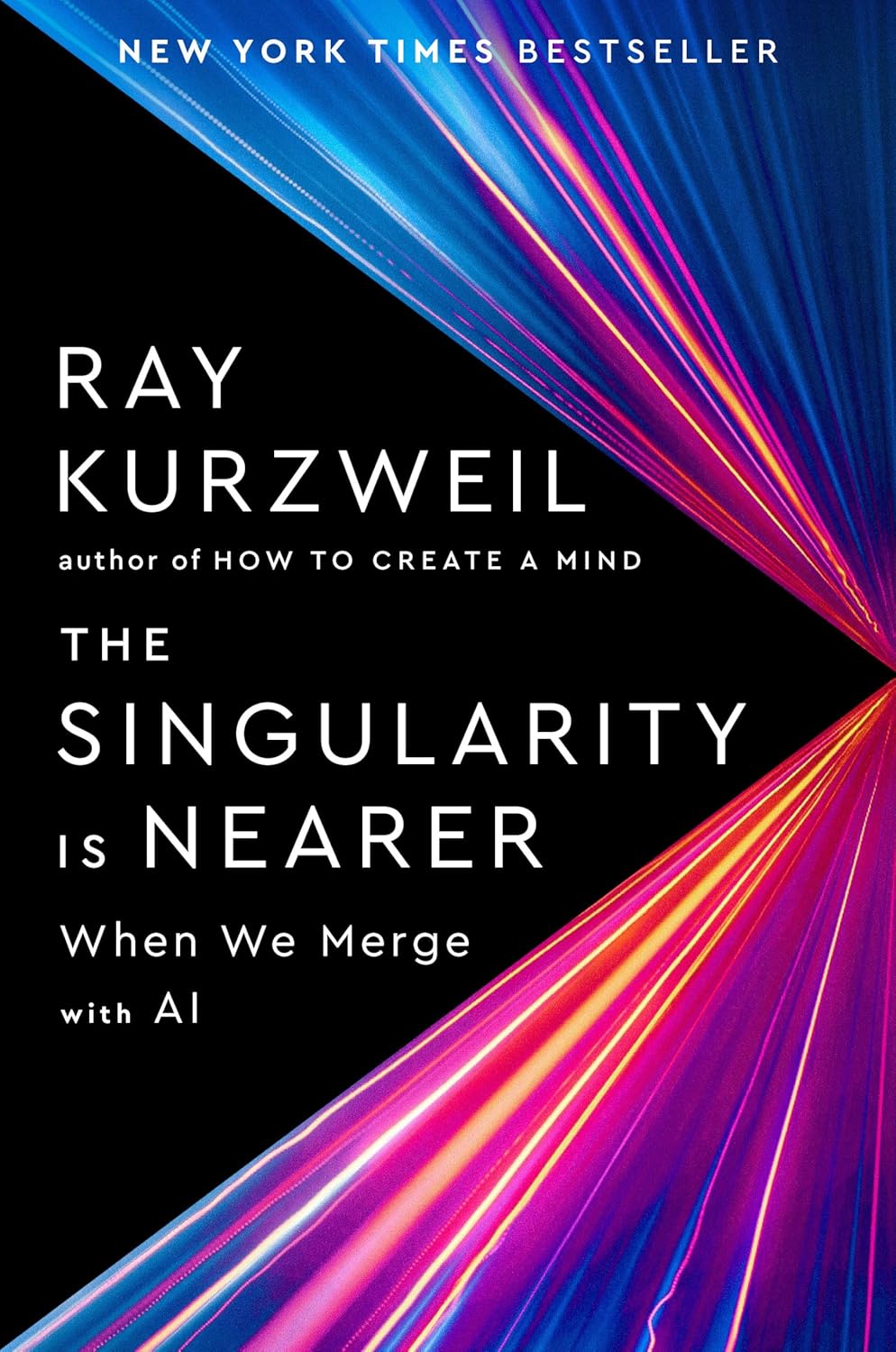
Twenty years after "The Singularity Is Near", Kurzweil revisits his predictions and keeps the date: human-AI merger around 2045.

AI as the latest chapter in the history of information networks, from gossip to the printing press to the algorithm.
As an Amazon Associate, Zendoric earns from qualifying purchases; the price does not change for you. · all our recommended books →
🔗 Related on Zendoric