'AI washing' now has case law: the SEC doesn't need new laws to go after AI hype

🕒 Published on Zendoric: July 14, 2026 · 00:03
Two recent U.S. rulings confirm that exaggerating AI capabilities to investors fits squarely within old-fashioned securities fraud, with no need for specific rules. The case links Monolithic Power Systems and Omnicare to growing legal scrutiny of AI marketing.
📚 Go deeper
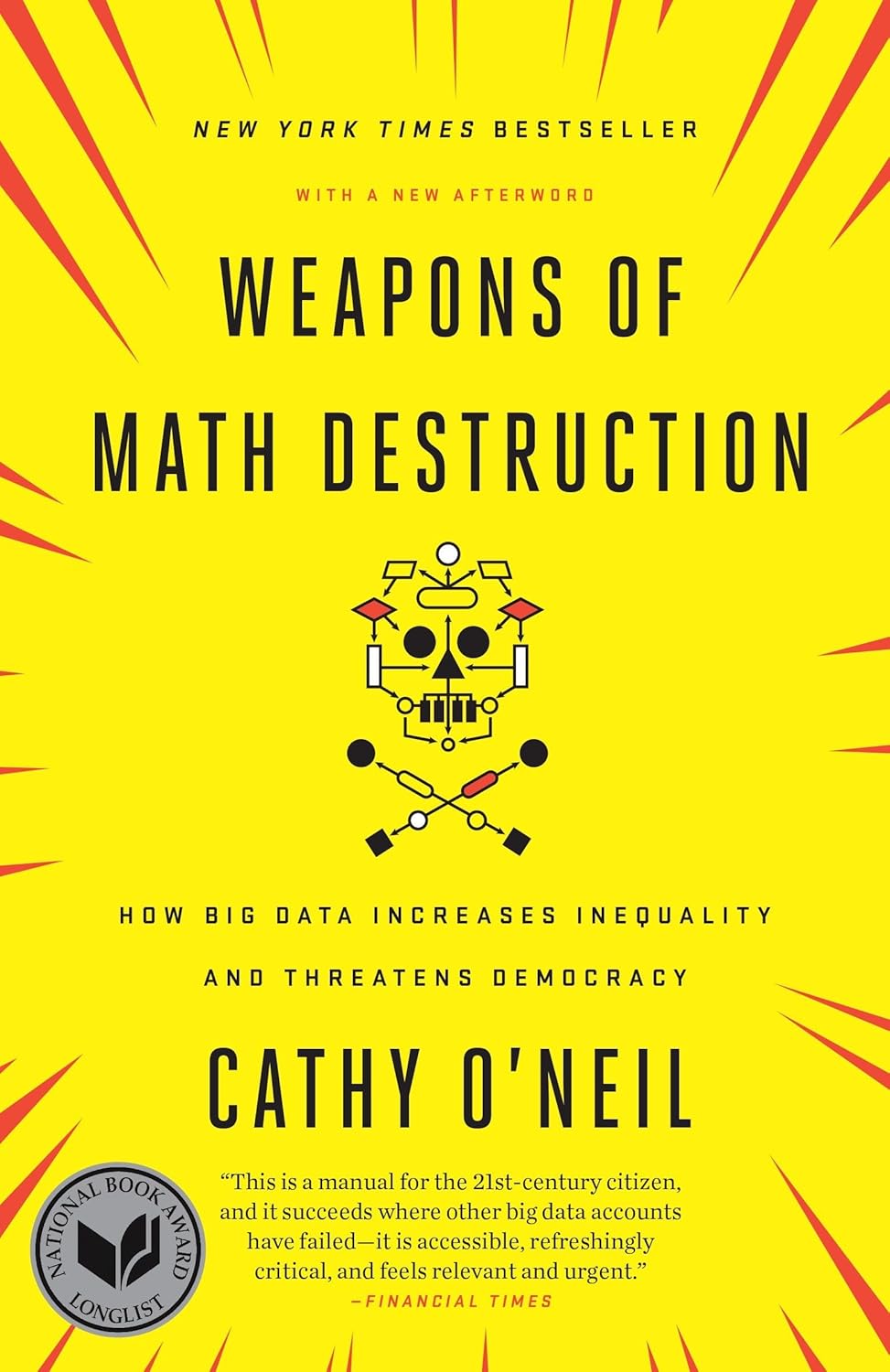
How opaque algorithms decide who gets credit, a job or parole — and why they tend to punish the same people.
As an Amazon Associate, Zendoric earns from qualifying purchases; the price does not change for you. · all our recommended books →
By Law360 · July 13, 2026.
The original Law360 article is a piece of legal analysis ("Expert Analysis") written by WilmerHale attorneys that reviews two recent rulings on what in the U.S. is already known as "AI washing": companies that, amid intense market anticipation around artificial intelligence, describe their products and platforms in more optimistic terms than the technical reality supports, downplaying the real obstacles to implementation. The full text is behind a paywall and the accessible excerpt is limited, but the central message is clear and verifiable: the courts are applying the traditional securities fraud framework—not new legislation designed for AI—to these exaggerated claims. Among the parties mentioned are Monolithic Power Systems and Omnicare, with proceedings spread across several federal districts (California, New York, Washington).
That this does not require an unprecedented body of law is, in itself, the relevant point. AI's opacity and technical complexity create fertile ground for over-promising: it is hard for the average investor to verify whether a model "understands," "reasons" or "decides" as the corporate brochure promises, and that information asymmetry is exactly what securities fraud rules have been pursuing for decades in other contexts (biotechnology, software, energy). Regulators and judges, rather than waiting for a tailor-made AI law, are extending well-established doctrines—materially false or misleading statements, omission of known risks—to the new vocabulary of machine learning.
This matters for the industry for several reasons. First, it raises the legal cost of selling smoke: investor relations departments and corporate communications teams will have to calibrate more carefully the language about "generative AI," "proprietary models" or "autonomous capabilities" in quarterly reports and analyst presentations, knowing that such language may end up cited in a lawsuit. Second, it reinforces a trend we had already been noting: the line between demonstrated capability and marketing aspiration has become a matter of legal liability, not just reputation. Third, it paradoxically benefits serious companies: if the market begins to punish "AI washing" with costly litigation, the players who honestly document limitations and roadmaps gain a competitive advantage over those who inflate expectations to raise capital or prop up their share price.
Our reading is that this type of case law is a healthy sign of regulatory maturity, consistent with the idea that no legislative panic is needed to govern AI: existing frameworks, well applied, already absorb much of the short-term problem—the overselling of capabilities—without stifling real innovation. The genuine risk for the sector is not that courts apply securities fraud rules to AI hype, but that the industry itself, pressured by the funding race and astronomical valuations, keeps incentivizing that hype until the mismatch between promise and product becomes systemic. In the long run, the more the public discourse is purged of what AI really does—versus what it is announced it will do—the easier it will be for society to capture the technology's real benefits, from medical research to production automation, without paying the toll of bubbles based on unfulfilled promises.
📚 Go deeper
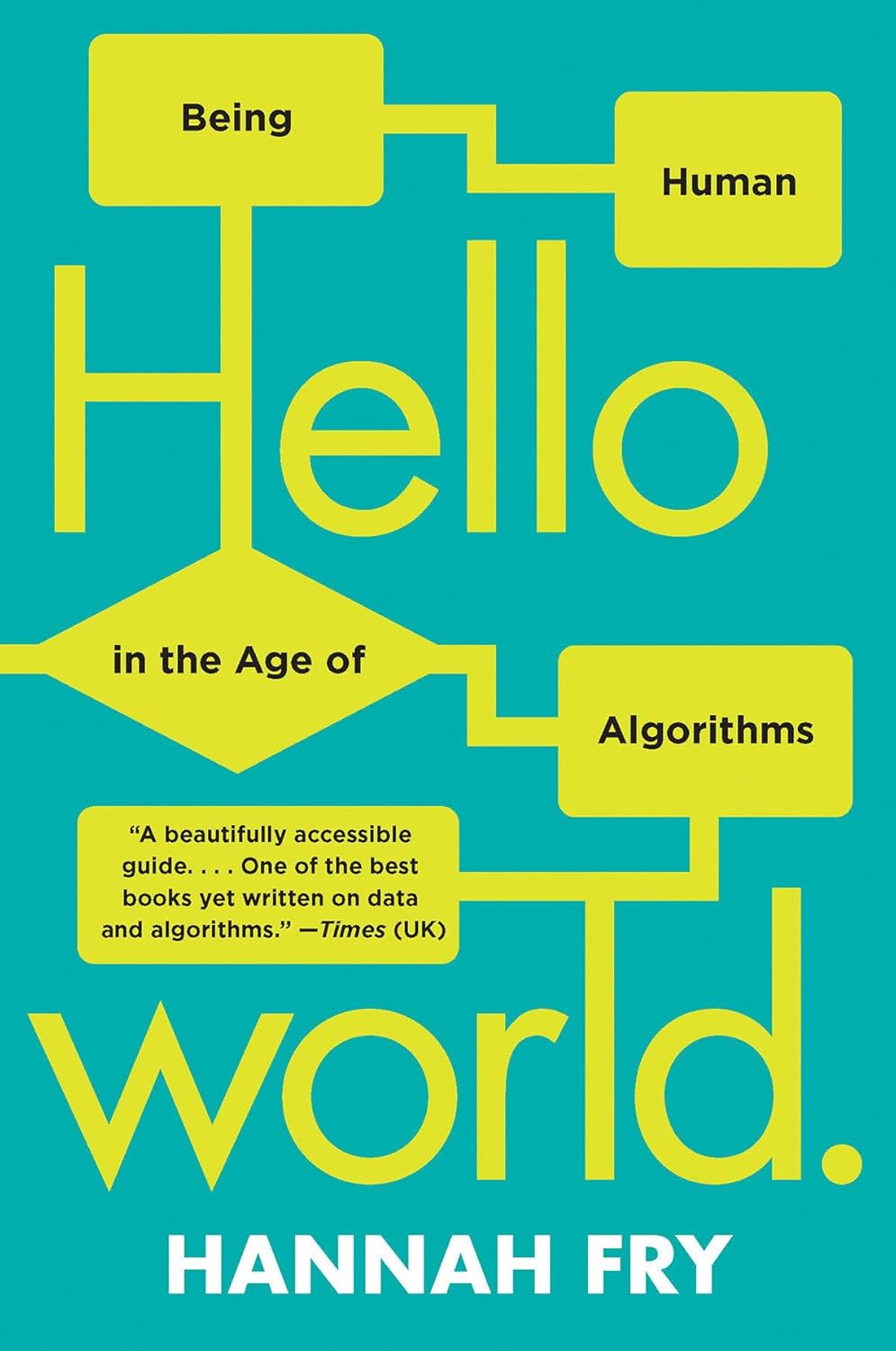
Algorithms in justice, medicine, cars and art, explained with British humor and mathematical honesty.
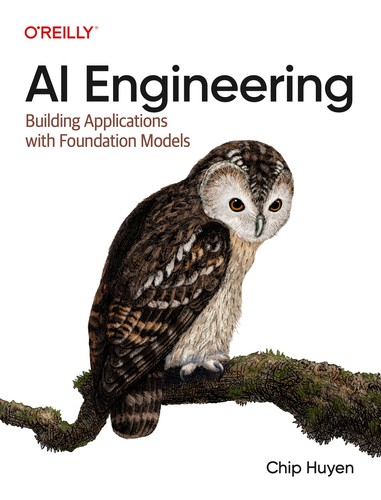
The reference manual for building products on top of AI models: prompts, RAG, fine-tuning, agents, evaluation and deployment.
As an Amazon Associate, Zendoric earns from qualifying purchases; the price does not change for you. · all our recommended books →
🔗 Related on Zendoric
- Garfield AI wins the first case in England: justice for 'small claims' finally finds a viable model · 2026-06-24
- When the camera stops reading license plates and starts remembering journeys: the debate urban AI forces us to have · 2026-06-25
- If the headline holds, Anthropic's AI finding flaws in classified systems would mark a new era of red teaming · 2026-06-25