Illinois bans AI from judging teachers: the first legal barrier against teacher-evaluation software

🕒 Published on Zendoric: July 14, 2026 · 00:03
✨ AI-generated · how it's made
Governor JB Pritzker signed a law barring school administrators from using AI to evaluate teachers, and teachers from using it to meet their performance goals. It's one of the first legal red lines on which decisions an algorithm cannot make in school.
📚 Go deeper
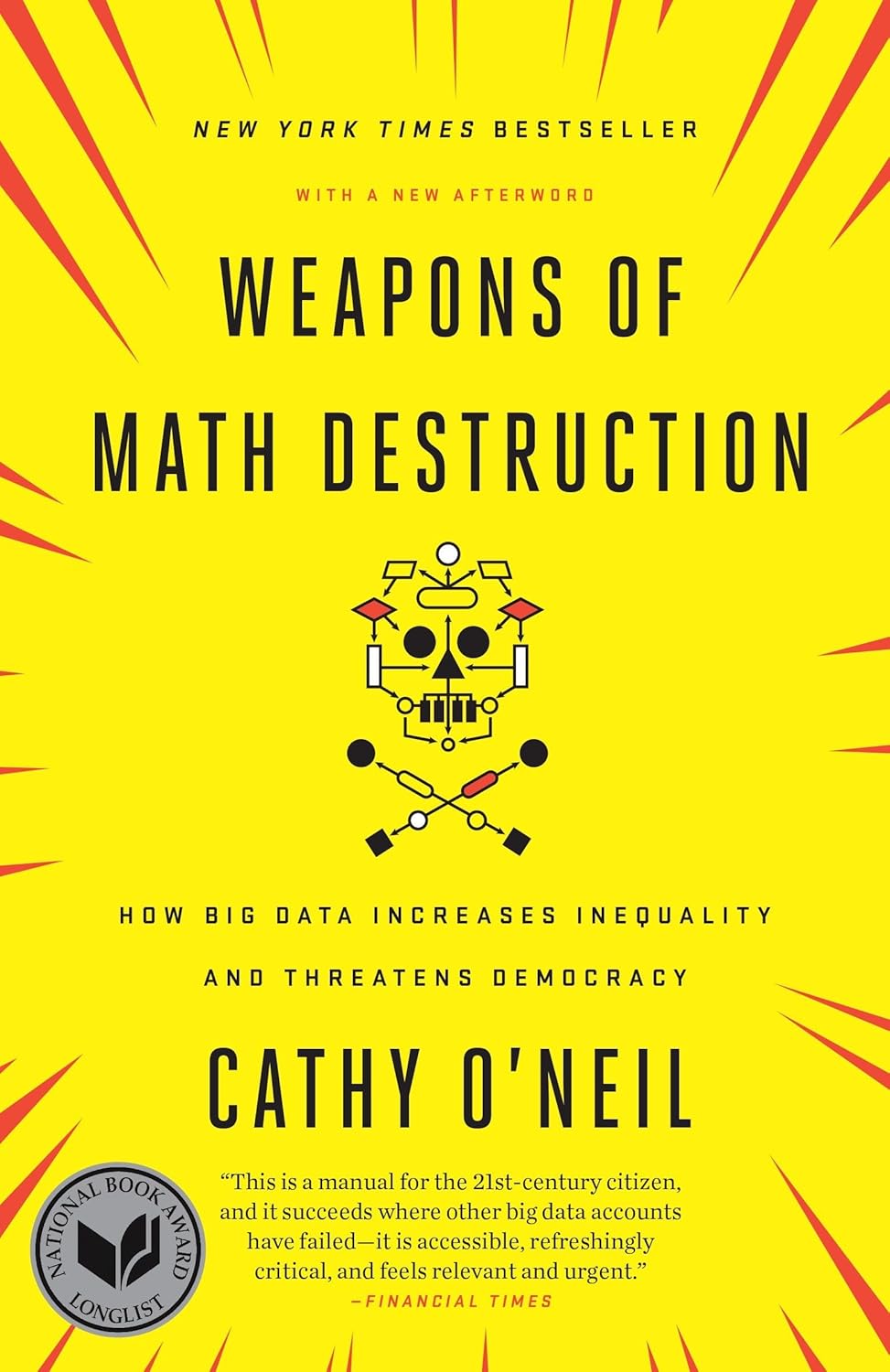
How opaque algorithms decide who gets credit, a job or parole — and why they tend to punish the same people.
As an Amazon Associate, Zendoric earns from qualifying purchases; the price does not change for you. · all our recommended books →
By Capitol News Illinois · July 13, 2026.
Illinois Governor JB Pritzker on Friday signed 31 new laws that emerged from the spring legislative session. Among them, Senate Bill 2909 explicitly prohibits school administrators from using artificial intelligence to evaluate teachers, and also bars teachers themselves from turning to AI to meet their performance requirements. The law does not prevent the use of AI in other day-to-day school administrative tasks. Its sponsor, Democratic Representative Mary Beth Canty, summed it up with a phrase that captures the spirit of the measure well: she supports AI as a basic organizational tool, but believes that "this technology is not capable of effectively carrying out judgment tasks as complex as" assessing a teacher's work.
The package signed that day includes other notable measures—from access to contraceptives for minors without parental consent to a ban on toxic ingredients in cosmetics or the adaptation of property tax laws to the 2023 Tyler v. Hennepin County ruling—but it is the rule on AI in teacher evaluation that sets a precedent with implications reaching beyond Illinois.
Our reading: until now, most AI regulation in the education world has focused on the student side—plagiarism, using chatbots to do homework, classroom filters. Illinois flips the focus and legislates on the employer side: it sets an explicit limit on an algorithm determining whether a teacher keeps their job, earns a bonus or gets a poor mark in their file. It is a decision consistent with a thesis we have been advancing at Zendoric about AI's impact on education employment: the winner is the teacher who uses AI as a copilot to organize themselves and personalize their teaching—the "teacher who orchestrates"—but human judgment, evaluating another human's work with nuance, context and track record, remains, for now, territory where the machine should not have the final say. The Illinois law does not ban AI in schools; it bars it from replacing human judgment in decisions that directly affect a professional career.
It is important not to lose sight of the time frame. In the short term, this kind of law is necessary and arrives late in many places: AI-powered "performance management software" systems are already being sold to school districts and companies of all kinds, often without transparency about what data they use or how they weigh each variable, and without the person being evaluated able to appeal with guarantees. That a large state like Illinois draws a red line sends a signal to other lawmakers and, above all, to the providers of these tools: the "AI for education HR" market will have to adapt to the fact that certain decisions cannot be fully delegated to a model.
In the medium and long term, however, this should not be read as a brake on progress, but as part of the institutional learning process that every transformative technology goes through. AI will keep gaining ground in school management—curriculum planning, early detection of learning difficulties, personalization of materials—because there it does demonstrate measurable value. What Illinois is saying is not "no to AI in education," but "no to AI deciding on its own about the people who educate our children." It is a distinction we will likely see repeated in other domains—healthcare, justice, hiring—as agentic AI becomes more capable but society continues to demand that the final judgment on decisions affecting someone's life rest with a responsible human. That regulatory friction, uncomfortable now, is precisely the kind of evidence-based governance that makes it possible for AI to ultimately fulfill its underlying promise: freeing up people's time and capacity—teachers included—to devote themselves to what truly matters, rather than fearing that an opaque algorithm will decide for them.
As sector context, this law joins another piece of the same legislative package, the one that legally defines "play-based learning" for early childhood classrooms (House Bill 4577): two seemingly different rules that share the same underlying concern, protecting spaces of human development—the teacher's pedagogical judgment, the child's free play—against excessive standardization, whether algorithmic or bureaucratic.
📚 Go deeper
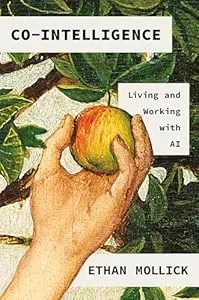
The best starting book if you're not technical: a Wharton professor explains how to work WITH AI — when to delegate, when to supervise, when to keep i

AI as the latest chapter in the history of information networks, from gossip to the printing press to the algorithm.
As an Amazon Associate, Zendoric earns from qualifying purchases; the price does not change for you. · all our recommended books →
🔗 Related on Zendoric
- AI to retain teachers: when the algorithm acts as a critical mirror for school principals · 2026-07-01
- AI-generated CSAM at an Illinois school: the hardest abuse to detect no longer needs a hidden camera · 2026-07-04
- When AI Meets Child Exploitation: A Teacher's Arrest Signals a Legal Reckoning · 2026-07-04