53.6% of Australian university assignments used AI: the answer isn't to chase it, it's to redesign what gets assessed

🕒 Published on Zendoric: July 14, 2026 · 00:03
✨ AI-generated · how it's made
Turnitin detected AI in more than half of university submissions in Australia between October 2025 and April 2026, and Anthropic ranks the country as the world leader in per capita use of Claude. The figure is alarming, but the relevant question isn't how much AI is in a text, it's what learning is left behind it.
📚 Go deeper
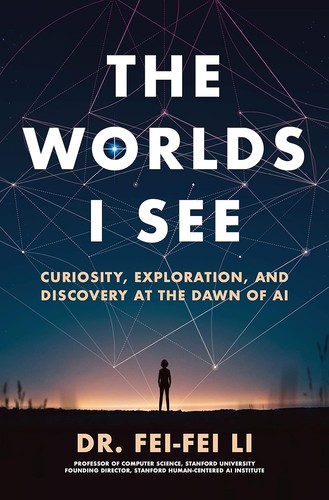
The memoir of the creator of ImageNet, the scientist who made the deep learning revolution in vision possible.
As an Amazon Associate, Zendoric earns from qualifying purchases; the price does not change for you. · all our recommended books →
By The Conversation · July 13, 2026.
The figure is striking: according to Turnitin, 53.6% of Australian university submissions analyzed by its system between October 2025 and April 2026 showed some use of artificial intelligence, and in 10% of cases more than 80% of the text was AI-generated. In parallel, Anthropic reports that Australia leads per capita use of its chatbot Claude, with coursework a significant part of that consumption. A 2026 analysis by the authors of the original article themselves, Meena Jha (CQUniversity) and Amara Atif (University of Technology Sydney), adds the uncomfortable nuance: most Australian universities already have written AI policies, but notable gaps persist between what those policies say and what actually happens in the classroom.
It is worth pausing before reading the headline as a mass-cheating scandal. AI-detection tools, including Turnitin's, estimate a probability of assisted writing, not a verdict of academic misconduct. A high score can perfectly well reflect declared and permitted use —asking a model to polish the grammar or suggest a structure— as much as a case of plainly substituting one's own thinking. Lumping both scenarios under the same figure is the first mistake alarmist headlines make, and the original article is right to point it out.
The underlying problem, and here is what should really concern vice-chancellors and faculties, is not whether there is AI in the text but what learning process lies behind it. Assigning a single final essay, as has been done for decades, is today a poorly calibrated form of assessment for a world in which any student has instant access to an assistant capable of producing acceptable prose in seconds. The authors propose a reasonable shift: assess the process in addition to the product, asking students to document how they used AI, which suggestions they accepted or rejected and why. It is a sensible idea, but it requires redoing the entire curriculum design —activities, rubrics, teacher training— and that cannot be improvised in a semester.
This is where it is worth placing the episode in a broader frame. As sector context, this tension between detecting AI use and redesigning teaching around it recurs across every knowledge-based industry: banking, law, business administration. In all of them the pattern is the same: the routine and mechanical is automated first, and what survives is judgment, the ability to assess whether a generated answer makes sense, and the human relationship surrounding it. The university is no exception, it is simply the place where that judgment should be formed before the student needs it in the job market.
There is also a reading about the tools themselves. Turnitin's report points to growing demand for AI systems designed specifically for education, as opposed to generic assistants like ChatGPT that answer any question without knowing the pedagogical context or institutional policy. That distinction —general-purpose generic AI versus AI confined to a domain with its own rules— is the same one we have already seen emerge in other regulated sectors: the more widespread the use of a model becomes, the more value the governance layer gains that decides what it can do and what is logged. It is no minor technical detail; it is the infrastructure that will determine whether these tools are integrated with confidence or generate a spiral of mutual suspicion between students and teachers.
Our reading is that this episode confirms something we have been pointing out for months from other angles: the transition toward an AI-supported economy is not resolved with bans or more sensitive detectors, but with institutions that accept the change in the rules of the game and rebuild their processes around it. In the short term, that entails an uncomfortable period of trial and error —half-redesigned curricula, overwhelmed faculty, policies that arrive late to actual practice— exactly the kind of transitional friction that should not be downplayed. But in the medium term, a university that teaches critical evaluation of what an AI produces, instead of banning or ignoring it, is training precisely the kind of human judgment that will still hold value when the abundance of AI tools makes generating first-pass text, code or analysis trivial. The real learning that must survive this wave is not writing a paragraph better: it is knowing when to trust the machine and when not to.
📚 Go deeper
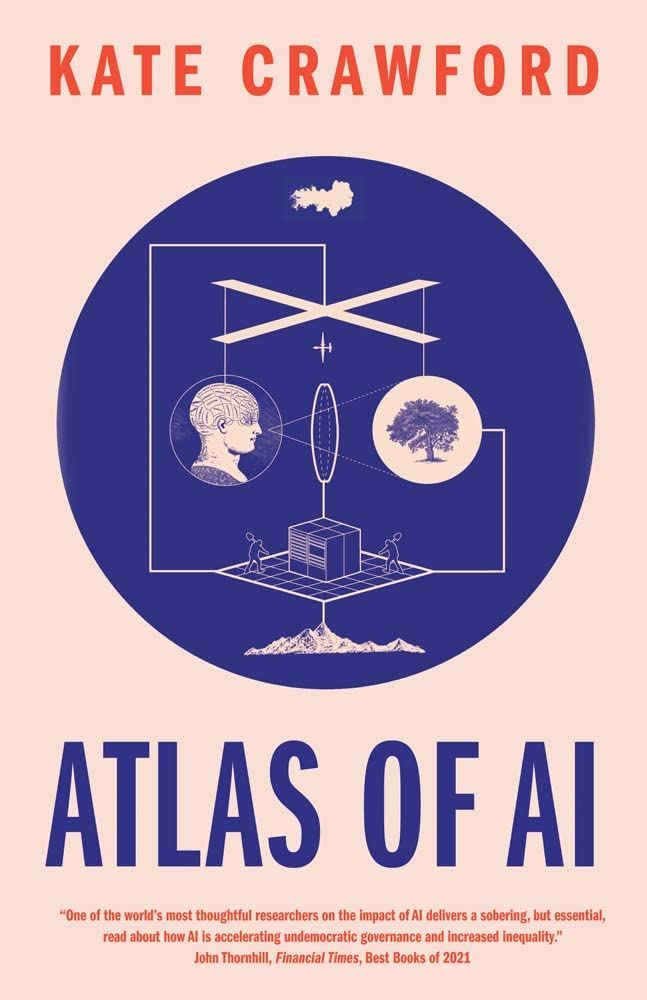
AI as an extractive industry: the lithium, the energy, the underpaid data-labeling work and the bodies behind the cloud.

The only novel on the list, by a Nobel laureate: an artificial friend observes humans with a blend of lucidity and innocence no essay achieves.
As an Amazon Associate, Zendoric earns from qualifying purchases; the price does not change for you. · all our recommended books →
🔗 Related on Zendoric
- Anthropic discovers a "J-space" of internal thoughts in Claude · 2026-07-14
- Fraud, layoffs and productivity: Australia audits AI, and the data, for now, debunks the panic · 2026-07-20
- Mental health and AI: in Tres Arroyos, a neurologist opens the debate tech companies still haven't settled · 2026-07-31