Claude Code no longer reads the web, it sees it: the built-in browser and the race to control the coding agent

🕒 Published on Zendoric: July 14, 2026 · 00:03
Anthropic embeds a Chromium browser inside Claude Code so the agent can interact with live websites, not just static screenshots. It's a modest technical move that reveals something bigger: the battle to control the 'plumbing' of agentic AI in software development.
📚 Go deeper

The reference manual for building products on top of AI models: prompts, RAG, fine-tuning, agents, evaluation and deployment.
As an Amazon Associate, Zendoric earns from qualifying purchases; the price does not change for you. · all our recommended books →
By Inc.com · July 13, 2026.
Anthropic on Friday launched a browser built into the desktop app of Claude Code, its AI-assisted coding tool. Until now, Claude could only interact with the web through static pages or a Chrome extension; with this change, the agent accesses live versions of pages, including their network traffic and internal design elements. The feature is built on Chromium (the open-source project behind Google Chrome), runs in a sandboxed session isolated from the rest of the app, and is only available to paying Claude Code users —not to Claude Chat or Cowork—.
In practice, this makes Claude Code a more complete tool for very specific tasks: reverse-engineering websites, scraping, or debugging interfaces. A developer can select a design element with a click, annotate it with a pen or text, and have the agent interpret it directly, without the manual back-and-forth of copying source code between the browser and the chat. Links can also be opened and browsed without leaving the app. Anthropic does, however, maintain the barriers already respected by sites like Reddit or The New York Times against AI scraping: there, Claude shows a notice and abstains.
The relevant point is not just the feature itself —fairly utilitarian, and which according to the source follows a similar function already introduced by OpenAI— but the direction in which the entire AI coding-tools sector is moving. When we discussed Google and Microsoft's approach versus OpenAI and Anthropic, we noted that the competition was shifting from 'who has the smartest model' to 'who controls the plumbing': integration, distribution, the standards through which an agent touches the real world. An embedded browser is exactly that: it closes the loop so the agent does not depend on the human copying and pasting context for it, and begins to operate with the web as one more tool in its hands, not as an external resource that must be fed by hand.
These kinds of improvements are, at bottom, the boring but decisive face of agentic AI: not superintelligence headlines, but friction removed, one more step toward agents that execute complete workflows —see, understand, act— without constant supervision. For the software development industry, this accentuates a trend we have already been pointing out: routine, mechanical tasks (eyeballing CSS to debug it, tracing network requests, extracting data from a website) get automated first, while architectural judgment and system security —deciding what to build and how to protect it— gain relative weight. It is not that the programmer disappears; it is that what part of their work matters changes.
Our read is that this announcement, small in appearance, fits well with the underlying thesis we hold: in the short term, the automation of specific technical tasks will keep compressing the time (and the demand) for junior profiles dedicated to the mechanical side of web development, and that is an uncomfortable transition that should not be minimized. But in the medium term, tools like this free up human hours from the most tedious part of programming —copy-pasting between tabs, manually inspecting someone else's website— to devote them to design, product and higher-value decisions. It is abundance at work on the desktop scale: when the machine absorbs the repetitive work, human time is redirected to what truly requires judgment. The detail that Reddit and The New York Times remain blocked also points to another front we will follow closely: the dispute over who controls agents' access to the data of the open web, which will probably be as important as who builds the best model.
📚 Go deeper
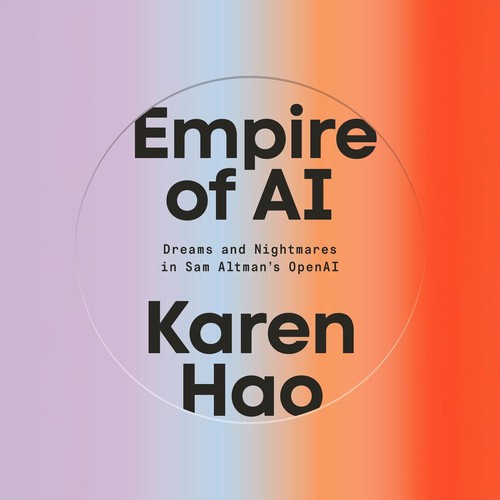
The definitive piece of investigative journalism on OpenAI: 260+ interviews, the clash between safety and speed, and the attempted firing of Sam Altma
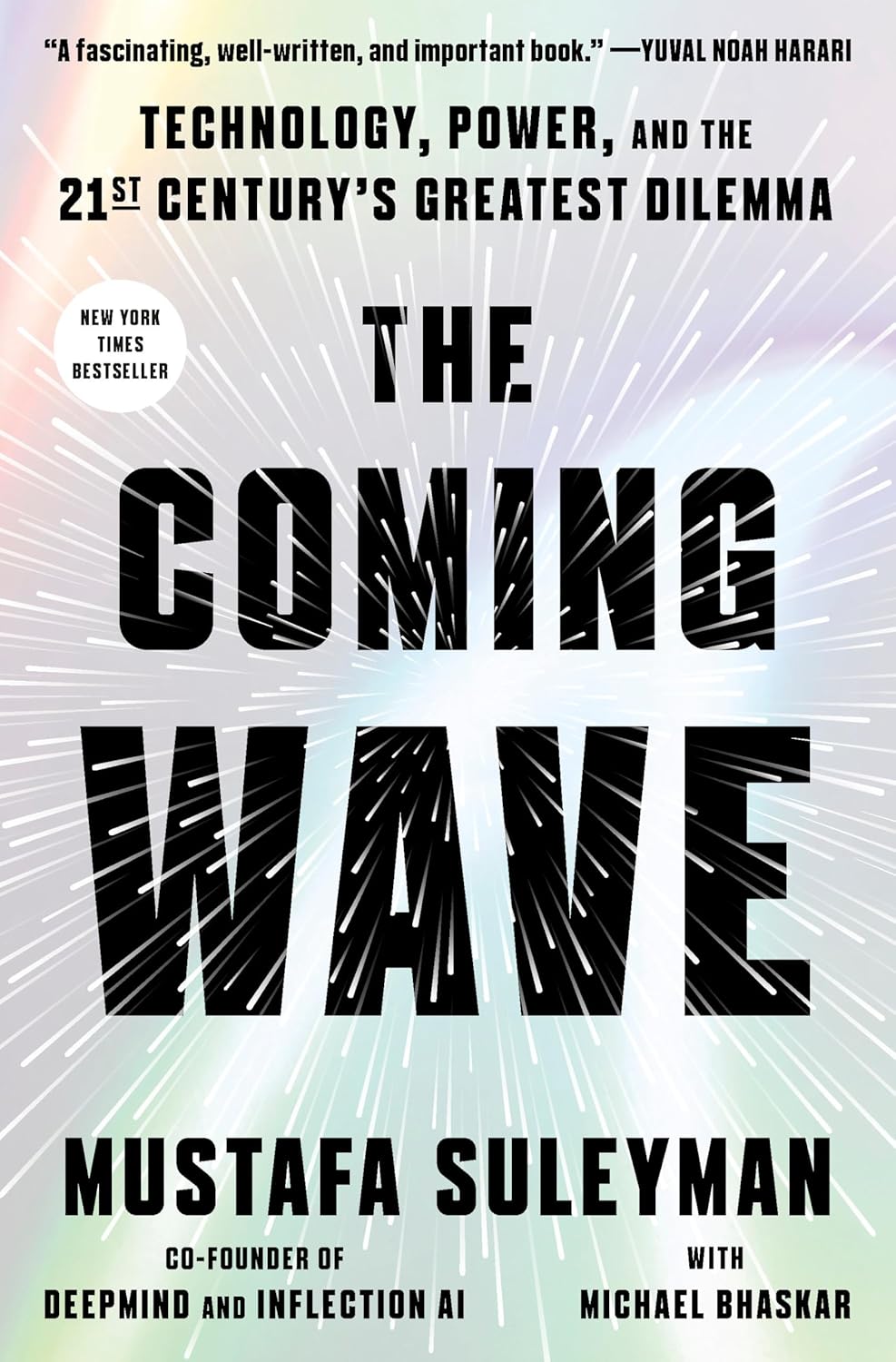
DeepMind co-founder on the dilemma of containing technologies that do not want to be contained.
As an Amazon Associate, Zendoric earns from qualifying purchases; the price does not change for you. · all our recommended books →
🔗 Related on Zendoric