Claude Reflect: Anthropic bets on 'anti-engagement' just as all of AI competes for your time

🕒 Published on Zendoric: July 13, 2026 · 00:21
Anthropic launches Claude Reflect, a dashboard that analyzes your chatbot use not to hook you more, but to encourage you to use it more thoughtfully. It's a risky —and revealing— bet in an industry that lives on attention.
📚 Go deeper
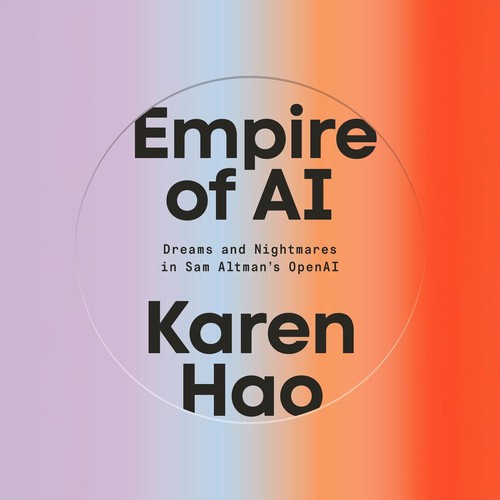
The definitive piece of investigative journalism on OpenAI: 260+ interviews, the clash between safety and speed, and the attempted firing of Sam Altma
As an Amazon Associate, Zendoric earns from qualifying purchases; the price does not change for you. · all our recommended books →
By Firstpost · July 13, 2026.
Anthropic has unveiled Claude Reflect, a personal analytics dashboard that, at first glance, recalls the "Wrapped"-style annual recaps popularized by Spotify and, more recently, by several AI services. The stated difference is one of substance, not form: instead of turning usage into a celebratory infographic, Reflect wants users to reflect on HOW they delegate tasks to AI. It will be in beta for Free, Pro and Max users who have the Memory feature enabled, accessible from the Settings menu in the web and desktop apps, with activity summaries covering 1, 3, 6 or 12 months. It classifies interactions according to Anthropic's own "4D AI Fluency" framework (Delegation, Description, Discernment and Diligence), explicitly excludes incognito-mode chats and health conversations, and adds reflective questions along the lines of "what is the one thing you want to keep doing yourself, even if Claude could do it faster?", as well as quiet hours and reminders to disconnect. The development was carried out with the MIT Media Lab, the Digital Wellness Lab at Boston Children's Hospital and the Family Online Safety Institute, and Anthropic announces that it will soon add a "time spent" view to the tool.
What is striking is not the feature itself—usage dashboards number in the dozens—but the stated goal: Anthropic explicitly says it is seeking the opposite of maximizing engagement. That is a positioning statement as important as the product. The attention economy that has dominated two decades of consumer software (infinite recommendations, notifications, streaks) was built on advertising business models where screen time is the asset. Anthropic, which is funded through subscriptions and enterprise contracts, does not have that structural incentive, and Reflect is the first time a major AI lab has turned that difference in business model into a visible product feature. In a way, it is brand marketing: reinforcing Anthropic's image as the sector's "prudent" player against rivals competing for minutes of daily use. But marketing and sincerity are not mutually exclusive, and the partnerships with institutions focused on digital wellbeing and child protection add some weight to the initiative, beyond a cosmetic gesture.
Our reading is that this fits with a short-term tension we have already been flagging: the mass delegation of cognitive tasks to AI brings with it a real risk of skill atrophy and unreflective dependence, especially among younger users or in tasks where human judgment matters more than speed. A framework like "Discernment" and "Diligence" tries to put a name to that problem and, with luck, correct it before it becomes widespread. It is honest to acknowledge, however, that the real effectiveness of this kind of tool is yet to be proven: a reflection dashboard does not change habits on its own, and the reasonable skepticism is to ask whether Reflect will end up being a public-relations gesture or a genuine behavioral lever. The acid test will be whether Anthropic publishes data on whether users actually adjust their usage after seeing it, and whether the future "Time Spent" becomes a metric the company takes seriously internally, not just on the product's visible surface.
In the longer term, this class of tools points to something we consider central to the transition toward the abundance we advocate: if AI is going to take on more and more routine tasks, the relevant question for each person stops being "how much do I use AI" and becomes "what part of my work and my life do I want to keep doing myself, even if it isn't the most efficient option." That is, in essence, the question that Claude Reflect puts in writing. Cultivating that habit of discernment now—while the technology is still imperfect and the odds of misuse are high—is a cheap investment compared with the scenario in which AI is far more capable and people no longer know how to tell when to delegate and when not to. It does not solve the employment or inequality problems that Anthropic itself acknowledges on other fronts, but it is a sign that at least part of the industry is beginning to design for the long-term user, not just for the coming quarter.
📚 Go deeper
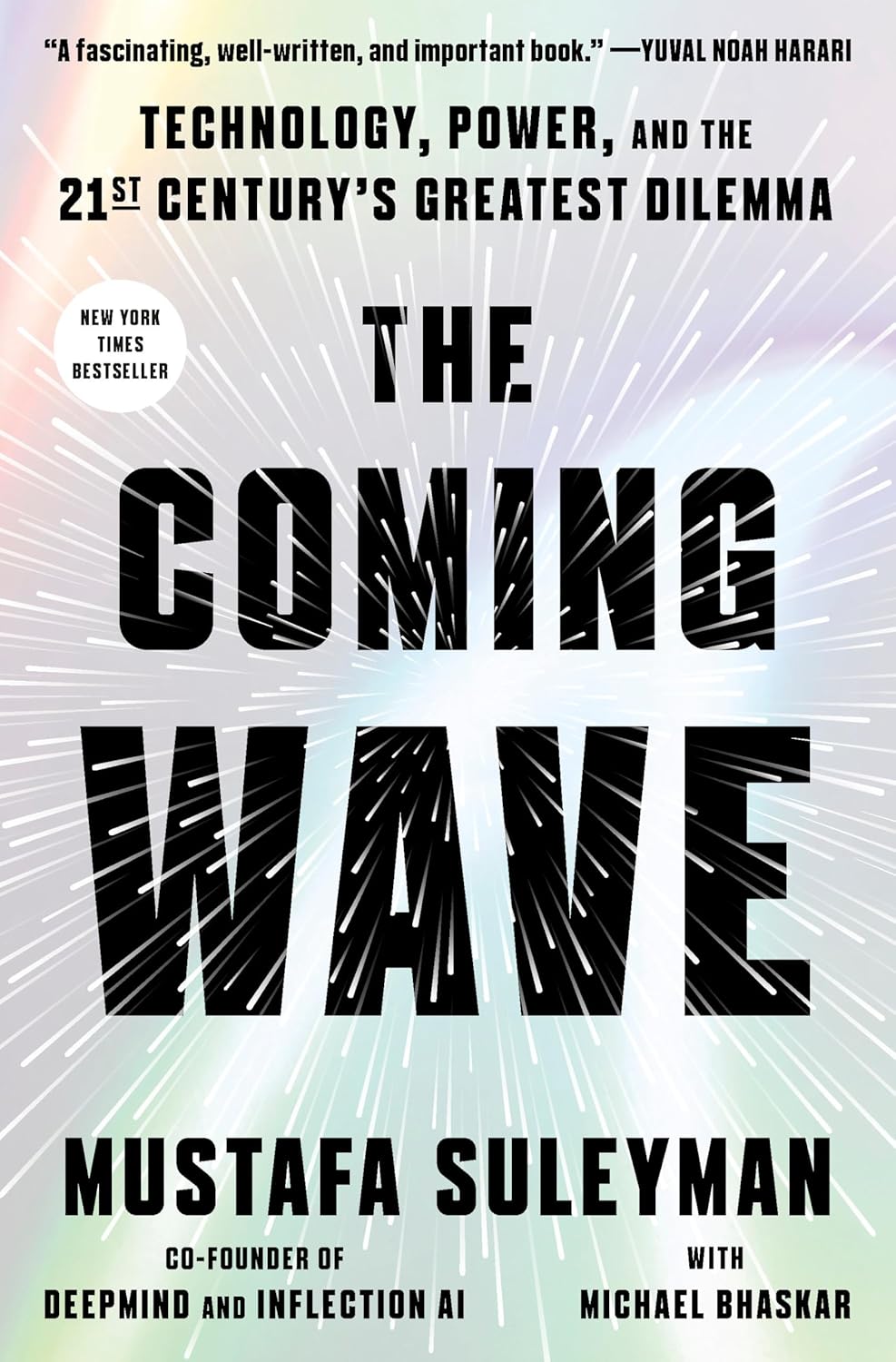
DeepMind co-founder on the dilemma of containing technologies that do not want to be contained.
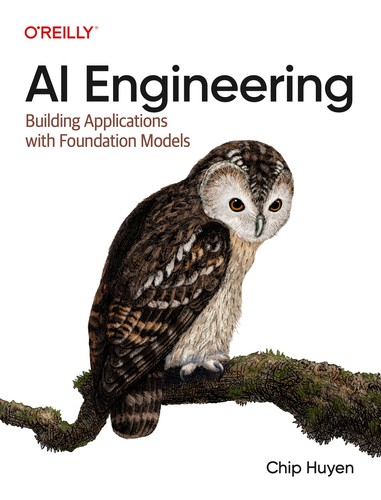
The reference manual for building products on top of AI models: prompts, RAG, fine-tuning, agents, evaluation and deployment.
As an Amazon Associate, Zendoric earns from qualifying purchases; the price does not change for you. · all our recommended books →
🔗 Related on Zendoric
- Claude Science: Anthropic positions itself as the new DeepMind and takes direct aim at the pharmaceutical industry · 2026-07-01
- Claude Sonnet 5: Anthropic collapses the pricing pyramid and brings autonomous agency to the mainstream model · 2026-07-01
- Anthropic's Reflect: the AI that asks whether you should use it less · 2026-07-10