Samsung's 'Consent or Deletion' Ultimatum Shows the Ugly Cost of Health-AI Data Hunger

🕒 Published on Zendoric: July 13, 2026 · 00:21
Samsung Health is reportedly telling users to allow their health data to train AI models—or lose that data entirely. It is a blunt example of how the race to build medical AI is colliding with consent, and how forced choices poison a promising technology.
📚 Go deeper
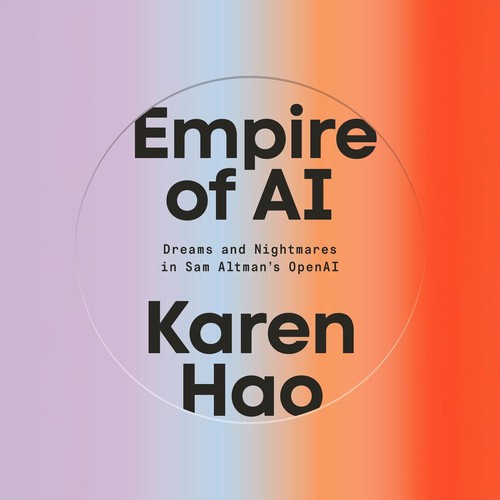
The definitive piece of investigative journalism on OpenAI: 260+ interviews, the clash between safety and speed, and the attempted firing of Sam Altma
As an Amazon Associate, Zendoric earns from qualifying purchases; the price does not change for you. · all our recommended books →
According to the report, some Samsung Health users are being shown a notice on opening the app asking them to consent to their health data being used for AI training and modelling. If they refuse, the app says they can no longer sync data with their Samsung account, and existing data will be deleted unless the company is legally required to keep it. The data in scope is intimate: health and wellness metrics, medication information, health records and cycle tracking. Samsung frames the purpose as improving Samsung Health, including "human review" and algorithms to analyse health conditions. Users can withdraw consent later via Privacy settings, but withdrawal reportedly triggers the same sync loss and deletion warning.
Two things are true at once here, and holding both is the whole point. First, health data genuinely is the fuel for the medical AI that could, over the long run, help detect disease earlier and personalise care—the kind of progress worth wanting. Second, the way Samsung is reportedly gathering it is close to the opposite of trustworthy. "Consent or we delete your history" is not meaningful consent; it is a toll gate dressed up as a choice, extracting agreement from people who simply want to keep years of their own logged data.
The context matters. Samsung says—per the article—that it will process the data for training including human review, and the report speculates it will likely anonymise it, because linking it to individuals would open a far larger privacy problem. But "likely" is doing heavy lifting, and readers in the comments are already invoking EU regulators. That reaction is the story: when a company forces the choice, it converts a potential public good into a perceived act of coercion, and hands the backlash to lawmakers.
Our reading: this is the short-term friction of the AI transition in its most avoidable form. The long-term prize—AI that helps extend healthy lifespans—depends entirely on a data compact people actually trust, built on genuine opt-in, clear anonymisation guarantees, and no hostage-taking of a user's own records. Coercive defaults don't just risk a lawsuit; they burn the social licence the whole field needs. The companies that win the health-AI era will be the ones that treat consent as a feature, not an obstacle. Samsung, on this evidence, is teaching the market how not to do it.
📚 Go deeper

AI as the latest chapter in the history of information networks, from gossip to the printing press to the algorithm.

DeepMind co-founder on the dilemma of containing technologies that do not want to be contained.
As an Amazon Associate, Zendoric earns from qualifying purchases; the price does not change for you. · all our recommended books →
🔗 Related on Zendoric