AI is no longer news, it's routine: the serious debate is about how we use it, not whether we use it

🕒 Published on Zendoric: July 13, 2026 · 00:21
✨ AI-generated · how it's made
A segment on Chicago local television interviews a lawyer turned AI popularizer about its invisible presence in the fridge, the classroom and the office. What's interesting isn't the report itself, but the signal: the public conversation has already moved from 'what is AI?' to 'how do we integrate it well?'.
📚 Go deeper
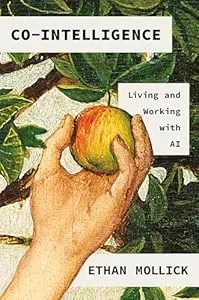
The best starting book if you're not technical: a Wharton professor explains how to work WITH AI — when to delegate, when to supervise, when to keep i
As an Amazon Associate, Zendoric earns from qualifying purchases; the price does not change for you. · all our recommended books →
By ABC7 Chicago · July 12, 2026. The local program "Our Chicago" devoted its Sunday broadcast to a conversation with Vikas Srinath, co-founder and co-host of Prompt: AI Innovation Series (which opens Tech Week Chicago on July 20), about how artificial intelligence is already operating in the background of everyday life. The examples he offers are deliberately domestic: the coffee shop app that predicts orders by analyzing the history of hundreds of customers, or Srinath's own habit of photographing the contents of his refrigerator so an AI can identify ingredients and propose—respecting that he is vegetarian—a recipe he can prepare in half an hour. He also tackles two meatier areas: education and skilled work. In the classroom, he warns that a chatbot used in isolation can become an "echo chamber" that replaces collaboration among peers and family with a one-way interaction; his prescription is to use AI as a shared exercise—between parents and children, between students—rather than as a substitute for debate. On work, he speaks from his own profession, the law, which he himself describes as one of the most exposed to automation, to argue that AI is not hollowing out the trade but redistributing which part of it adds value: more context for the client, clients who arrive with better-formed questions, and a lawyer who needs to know how to apply technology across different contexts rather than merely accumulate memorized knowledge.
There is no product launch here, no study with figures, no corporate dispute to analyze: it is a public-service piece, aimed at a general audience that probably still sees AI as something distant or threatening. And precisely for that reason it deserves a moment's attention: it is a useful thermometer of how far the normalization of AI has taken hold beyond Silicon Valley and the specialized press. When a local television station devotes a weekend program to explaining that AI is "already in your fridge," the news novelty has shifted from the what to the how. That shift is, in itself, a sign of the maturity of adoption: the technology stops being a headline and becomes invisible infrastructure, exactly as happened with the internet or the mobile phone.
Our reading is that the two serious examples Srinath provides—education and the law firm—illustrate better than any corporate report the thesis we have been maintaining about skilled employment: AI does not sweep away the professional of judgment in one stroke, it redistributes where the value lies. In law, as in medicine or consulting, the knowledge that was once scarce and expensive—and that sustained much of the opacity and power of those professions—becomes accessible. A client who arrives at their lawyer or doctor already informed by an AI does not take work away from the professional: it changes the nature of the conversation, which moves from explaining the basics to exercising expert judgment and the relationship of trust, precisely what is least automatable. It is a miniature version, domestic if you will, of the abundance we defend in the long term: when access to knowledge stops being a privilege, the human professional is freed to contribute what only a human can.
The warning about the educational "echo chamber," on the other hand, is the short-term nuance that should not be downplayed. A student who only converses with a chatbot loses the friction of disagreement, the correction of a teacher or the negotiation of ideas with classmates, which is where judgment is truly formed. The solution suggested—turning AI into a family and collaborative exercise, not a substitute for the classroom—is sensible, but it requires parents and schools to invest time in learning to use it well, something not all families can afford equally. Therein lies the real and unequal risk of this transition phase: not that AI "thinks for the children," but that some households know how to turn it into a tool for collaborative learning while others let it operate as a solitary crutch, widening a gap that already existed before ChatGPT arrived.
📚 Go deeper
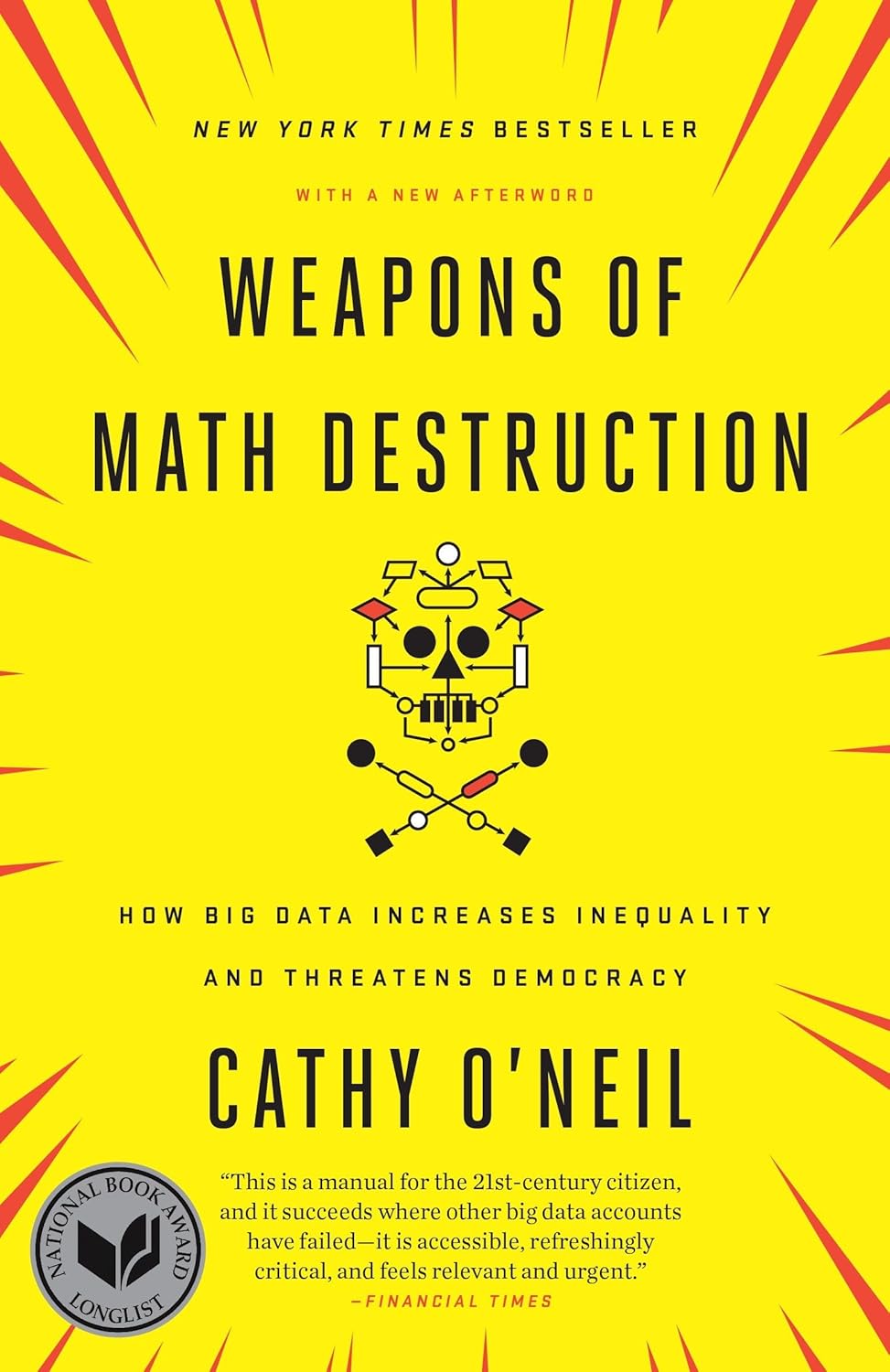
How opaque algorithms decide who gets credit, a job or parole — and why they tend to punish the same people.
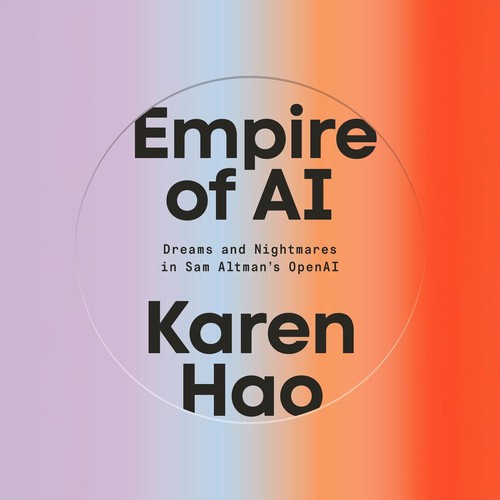
The definitive piece of investigative journalism on OpenAI: 260+ interviews, the clash between safety and speed, and the attempted firing of Sam Altma
As an Amazon Associate, Zendoric earns from qualifying purchases; the price does not change for you. · all our recommended books →
🔗 Related on Zendoric
- Missouri adds its first local case of an already global scam: the cloned voice demanding ransom by phone · 2026-07-19
- AI is now the majority in the classroom: 9 out of 10 university students use it, and the question is no longer whether but how · 2026-07-29
- Is 'graph engineering' real? From loop engineering to the debate on agent graphs · 2026-07-21