Chicago switches off laptops in law school: betting on thinking without machines before thinking with them

🕒 Published on Zendoric: July 13, 2026 · 00:21
✨ AI-generated · how it's made
The University of Chicago Law School will ban laptops, phones and AI tools in first-year classes, requiring students to take notes by hand. It's not technophobia: it's a deliberate attempt to safeguard legal reasoning before automating it.
📚 Go deeper
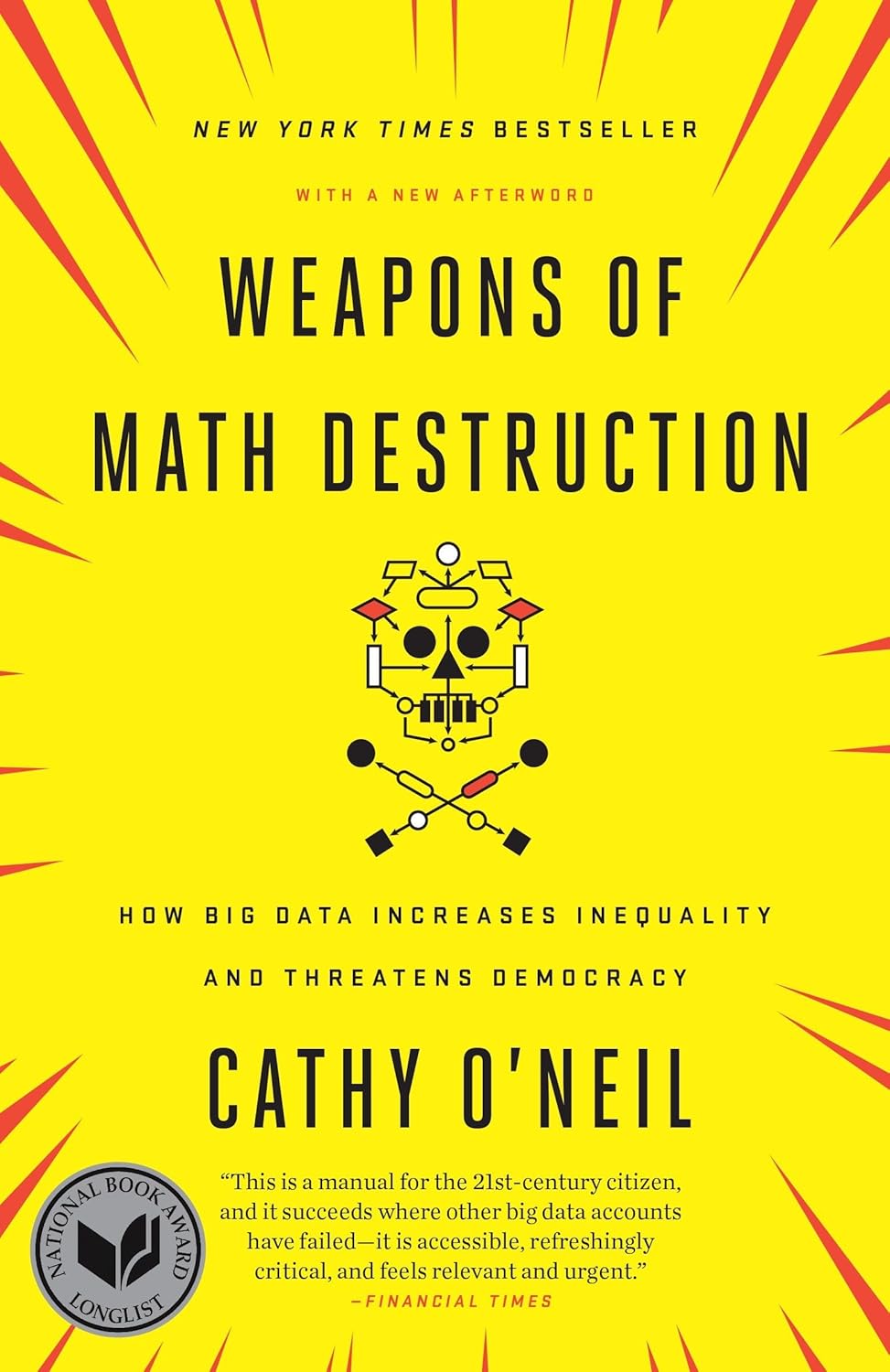
How opaque algorithms decide who gets credit, a job or parole — and why they tend to punish the same people.
As an Amazon Associate, Zendoric earns from qualifying purchases; the price does not change for you. · all our recommended books →
By CBS News · July 12, 2026.
The University of Chicago Law School will ban laptops, smartphones and artificial intelligence tools in first-year classrooms, as CBS News has confirmed. Students will have to take notes by hand, a measure that its dean, Adam Chilton, frames as part of a broader AI policy aimed at protecting the development of independent reasoning ability. Chilton sums it up with a phrase worth keeping: there needs to be an "honest conversation" about how to ensure that students are able to think without machines and also to think with them. The measure coexists with other pieces of the same puzzle in Illinois: Chicago Public Schools already restricts access to certain AI applications on its network and requires that any use of automated tools in assignments be disclosed and explicitly cited —failing to do so is considered a code-of-conduct violation—; the University of Illinois at Chicago asks its students to accept conduct rules before using institutional AI; and the Illinois State Board of Education has just published guidelines for schools to integrate AI without diluting the role of teachers.
This should not be read as an isolated episode of analog nostalgia. Chicago is one of the most influential law schools in the United States, and legal reasoning is, precisely, one of the disciplines where generative AI already drafts contracts, summarizes case law and builds arguments with notable ease. That it is exactly this school that decides to separate, in the classroom, the phase of forming judgment from the phase of using the tool, is a sign of where the next decade of higher education is headed: not banning AI outright —Chilton himself insists he wants graduates capable of using the technology "as efficiently as possible"—, but sequencing when one relies on it and when not.
This connects directly with something we have been arguing about AI's impact on the professions: in law, the base of the pyramid —routine research, document summarizing, the first draft— is what gets automated first, while expert judgment, nuanced argumentation and reasoning under uncertainty are what hold up and what, in the long run, pay the most. If a firm or a court is going to place ever more trust in lawyers who know how to verify, qualify and refute what a model produces, that ability has to be forged at some point without the assistant in front of them. Chicago's bet is that this moment is the first year of study, when the brain is still building the scaffolding of legal reasoning and not merely applying it.
In the short term, this will be an uncomfortable measure and a source of friction: students accustomed to the efficiency of the keyboard and the assistant will have to go back to the pen, and there will be no shortage of voices calling it anachronistic in a profession that already operates with AI daily. It is an honesty we share: the transition toward a mature coexistence with these tools requires temporary sacrifices, and no serious institution can pretend that integrating AI into education is free or automatic. But the underlying reading is constructive. If the long term we defend runs through a society of abundance where human work concentrates on judgment, discernment and creativity —and mechanical tasks are left to the machines—, then institutions like this school are doing precisely what is needed: protecting, in the formative phase, the human capacity that will remain scarce and valuable when AI is already omnipresent in professional practice. It is not a barrier against the future; it is an attempt to ensure that, when that future arrives, there are enough jurists capable of overseeing, correcting and taking responsibility for what the machine proposes.
📚 Go deeper
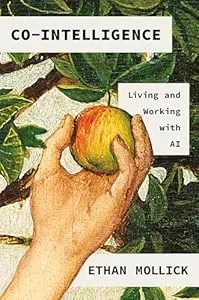
The best starting book if you're not technical: a Wharton professor explains how to work WITH AI — when to delegate, when to supervise, when to keep i
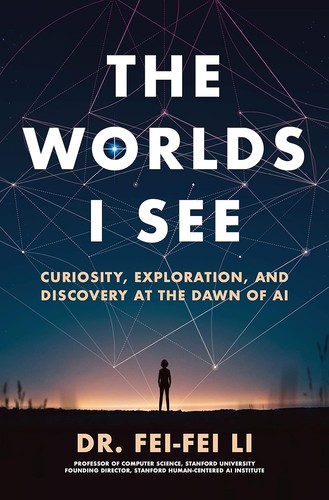
The memoir of the creator of ImageNet, the scientist who made the deep learning revolution in vision possible.
As an Amazon Associate, Zendoric earns from qualifying purchases; the price does not change for you. · all our recommended books →
🔗 Related on Zendoric
- Chicago bans laptops for first-year law students: betting that human judgment, not AI, still earns the degree · 2026-07-16
- NYC starts the school year with no AI rules: the largest city in the US tests how to tame artificial intelligence in the classroom · 2026-09-02
- AI in New York schools: when the promise of safety clashes with the civil rights of a million students · 2026-06-28