Anthropic launches a dashboard that audits your dependence on Claude and asks whether you should use it less
🕒 Published on Zendoric: July 12, 2026 · 00:14
✨ AI-generated · how it's made
Claude no longer just responds: it now asks how much you delegate to it and which tasks you would rather keep doing yourself. Anthropic's new 'reflection dashboard' measures usage habits, lets you set quiet hours, and comes backed by MIT Media Lab and Boston Children's Hospital.
📚 Go deeper
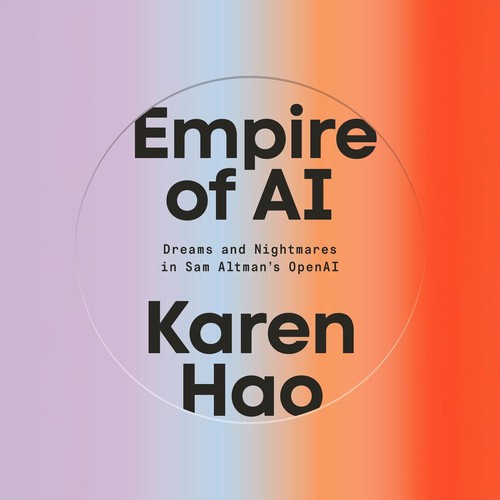
The definitive piece of investigative journalism on OpenAI: 260+ interviews, the clash between safety and speed, and the attempted firing of Sam Altma
As an Amazon Associate, Zendoric earns from qualifying purchases; the price does not change for you. · all our recommended books →
By StartupHub.ai · July 11, 2026.
Anthropic has launched in beta the Claude reflection dashboard, announced on July 9, 2026 and accessible from Settings in Claude for web and desktop, available to Free, Pro, and Max users who have the Memory feature enabled. The dashboard summarizes the user's activity over periods ranging from one month to one year, breaking down when Claude is used and for what kind of tasks, with a future time-spent metric on the way. Beyond the figures, the system poses periodic questions such as "what is one thing you want to keep doing yourself, even if Claude could do it faster?", opening a direct dialogue about one's own usage, and it allows users to set "quiet hours" or schedule reminders to take breaks, all of it dismissible and non-mandatory. The dashboard organizes activity according to the 4D framework of AI fluency (Delegation, Description, Discernment, and Diligence) and suggests practices such as opening a 'Project' to give continuity to ongoing work. On privacy, it excludes chats in incognito mode and the underlying files of connected tools —an email summary is shown, but not the original emails— and it omits entirely conversations linked to health integrations. To design the handling of sensitive topics, Anthropic says it collaborated with the MIT Media Lab, Boston Children's Hospital, and the Family Online Safety Institute.
The move stands out because it reverses a logic that has dominated digital product design for two decades. Platforms that live off attention —social networks, streaming, much of freemium software— have built their business by maximizing usage time; the "digital well-being" dashboards they introduced arrived late, pressured by regulators and scandals, and almost never altered the product's core design. Anthropic, which monetizes not per minute of attention but through subscription and value delivered, can afford to build deliberate friction without directly cannibalizing its revenue, and it turns this into part of its brand proposition: not "use Claude more," but "use Claude better." It is an important nuance, and also a self-interested one —trust is the scarcest asset of an AI lab competing to integrate into the daily lives of hundreds of millions of people— but the specific design (questions about which tasks not to delegate, break reminders, explicit exclusion of health and incognito) goes beyond a cosmetic gesture.
At the industry level, the piece fits a growing concern —academic, clinical, and regulatory— about the erosion of skills and cognitive dependence when thinking is systematically delegated to an assistant, as well as the specific scrutiny over the well-being of minors and adolescents in their relationship with chatbots, terrain where institutions such as the Family Online Safety Institute have long been pressuring the entire sector. By turning "AI fluency" into something measurable and into four explicit dimensions (delegate, describe, discern, be diligent), Anthropic is also making a subtler move: it transforms the use of Claude from a consumption habit into a competency that is taught and audited, a language that serves it both toward families and educators and toward corporate clients concerned about responsible use.
Our reading connects with something we have been arguing in the sector-by-sector analysis of AI's impact on jobs: what resists automation is not the task itself, but the judgment about when it is worth delegating and when it is not. A dashboard that explicitly asks "what do you want to keep doing yourself?" institutionalizes that question within the product itself, rather than leaving it to the user's individual reflection or a company's policy. In the short term, it is an honest admission —unusual coming from the party that sells the product— that more AI use is not automatically better, and that over-delegation carries a real cost in human autonomy and competence; here Zendoric sees no reason to downplay the problem. In the long run, however, it is exactly the kind of design we need if AI's promise of abundance —freeing up human time for what truly matters to each person— is to be fulfilled without first hollowing out people's capacity to decide what matters to them. It is best not to overestimate its reach: the reminders are dismissible, the feature is beta and optional, and no reflection dashboard replaces regulation or product design across the rest of the agent ecosystem, where the temptation to maximize usage remains intact. But as a signal of what kind of healthy friction is beginning to be considered part of the product —and not a PR add-on— it is worth following.
📚 Go deeper
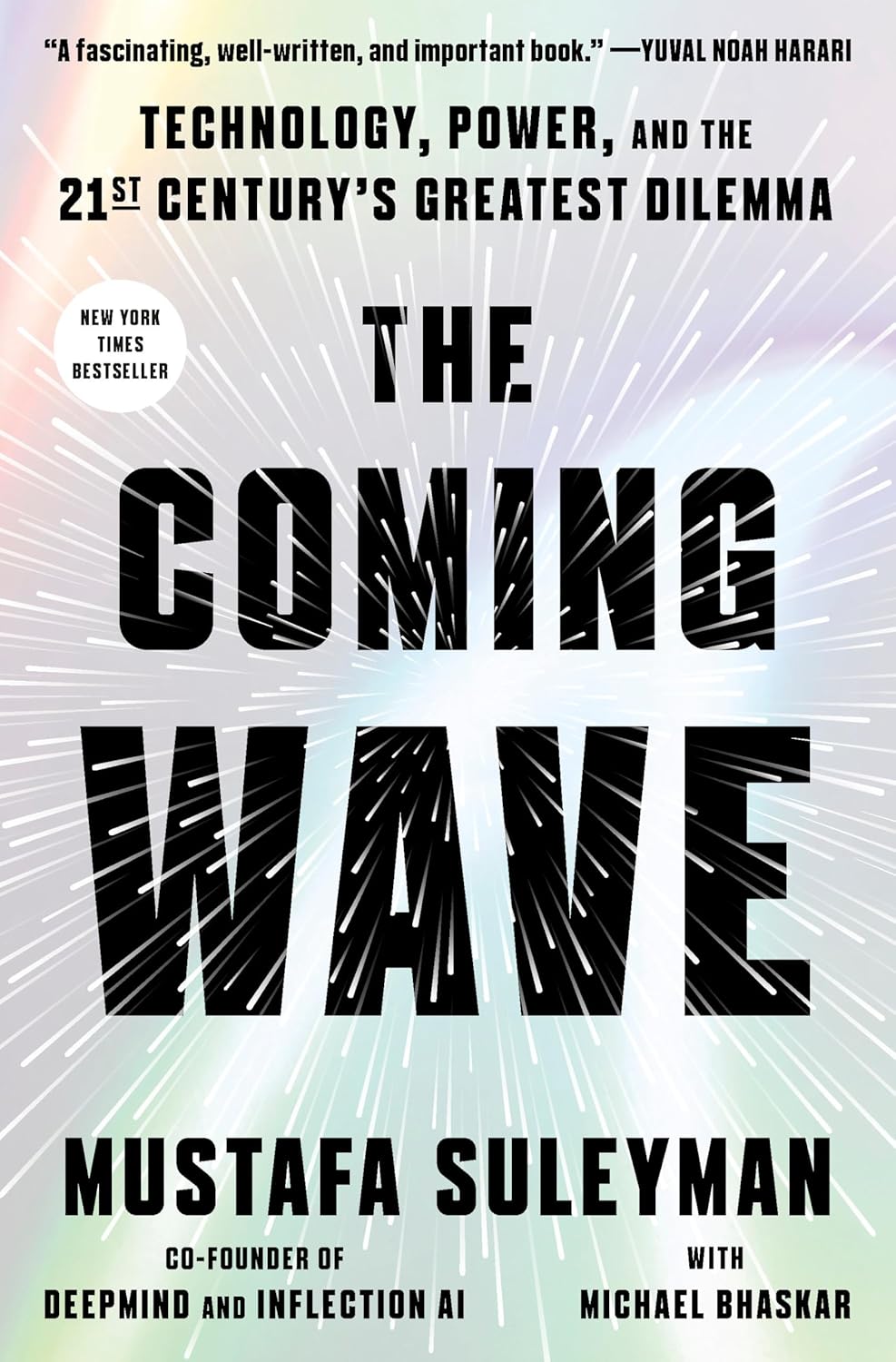
DeepMind co-founder on the dilemma of containing technologies that do not want to be contained.
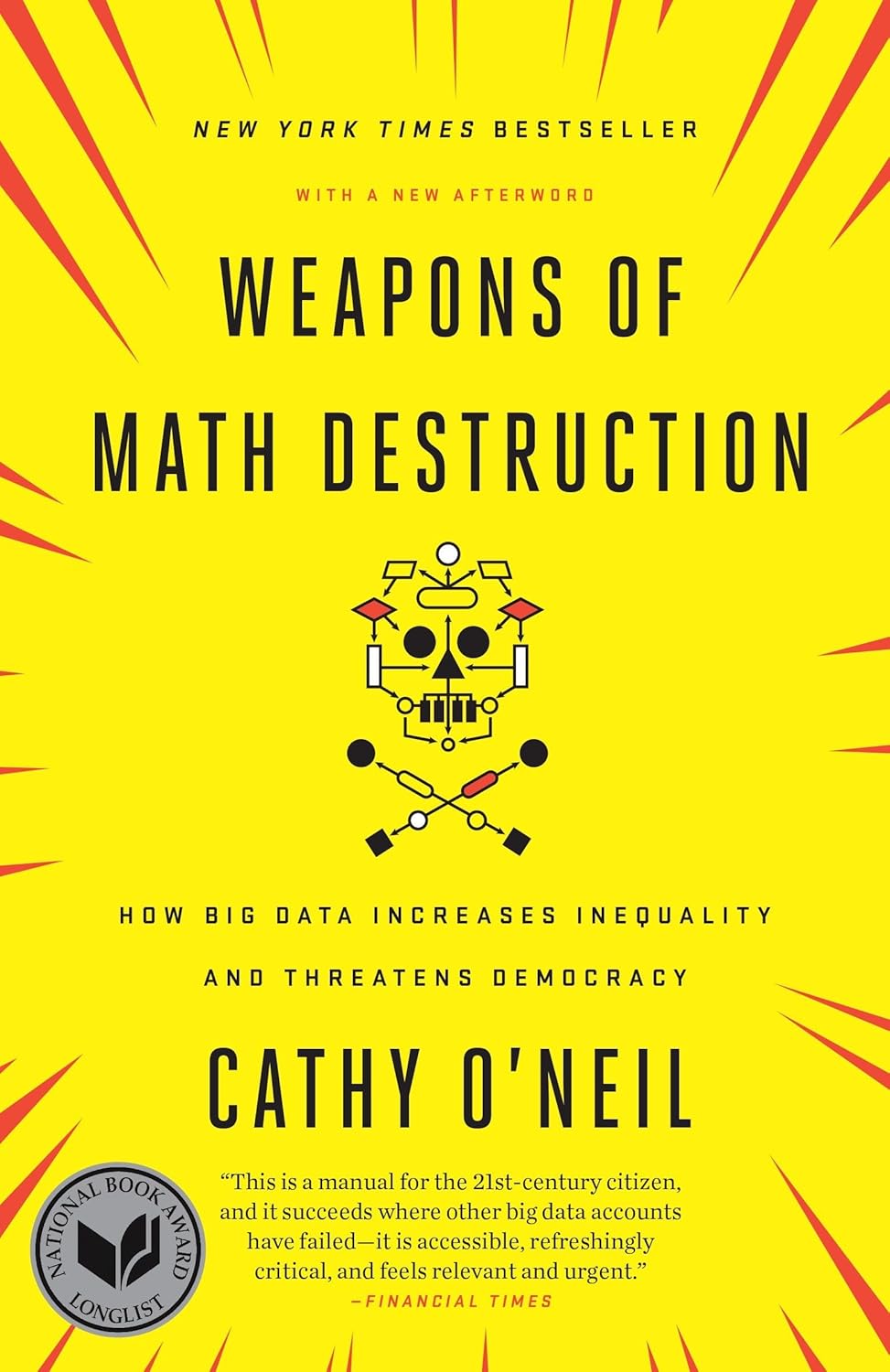
How opaque algorithms decide who gets credit, a job or parole — and why they tend to punish the same people.
As an Amazon Associate, Zendoric earns from qualifying purchases; the price does not change for you. · all our recommended books →
🔗 Related on Zendoric
- Anthropic's Reflect: the AI that asks whether you should use it less · 2026-07-10
- Claude Sonnet 5: Anthropic brings agentic AI to the mid-range — and that changes the rules of the game · 2026-07-01
- Claude Fable 5: when 'safer' translates into 'less useful' and the market makes Anthropic pay for it · 2026-07-03