Meta pulls its Instagram image AI within 72 hours: 'opt-out' as the default design no longer flies
🕒 Published on Zendoric: July 12, 2026 · 00:14
✨ AI-generated · how it's made
Meta launched Muse Image on July 7 with all adult public accounts included by default and no notice to the referenced user. Three days and a wave of protests from SAG-AFTRA, CAA and creators later, it pulled it. The market, however, didn't even flinch.
📚 Go deeper
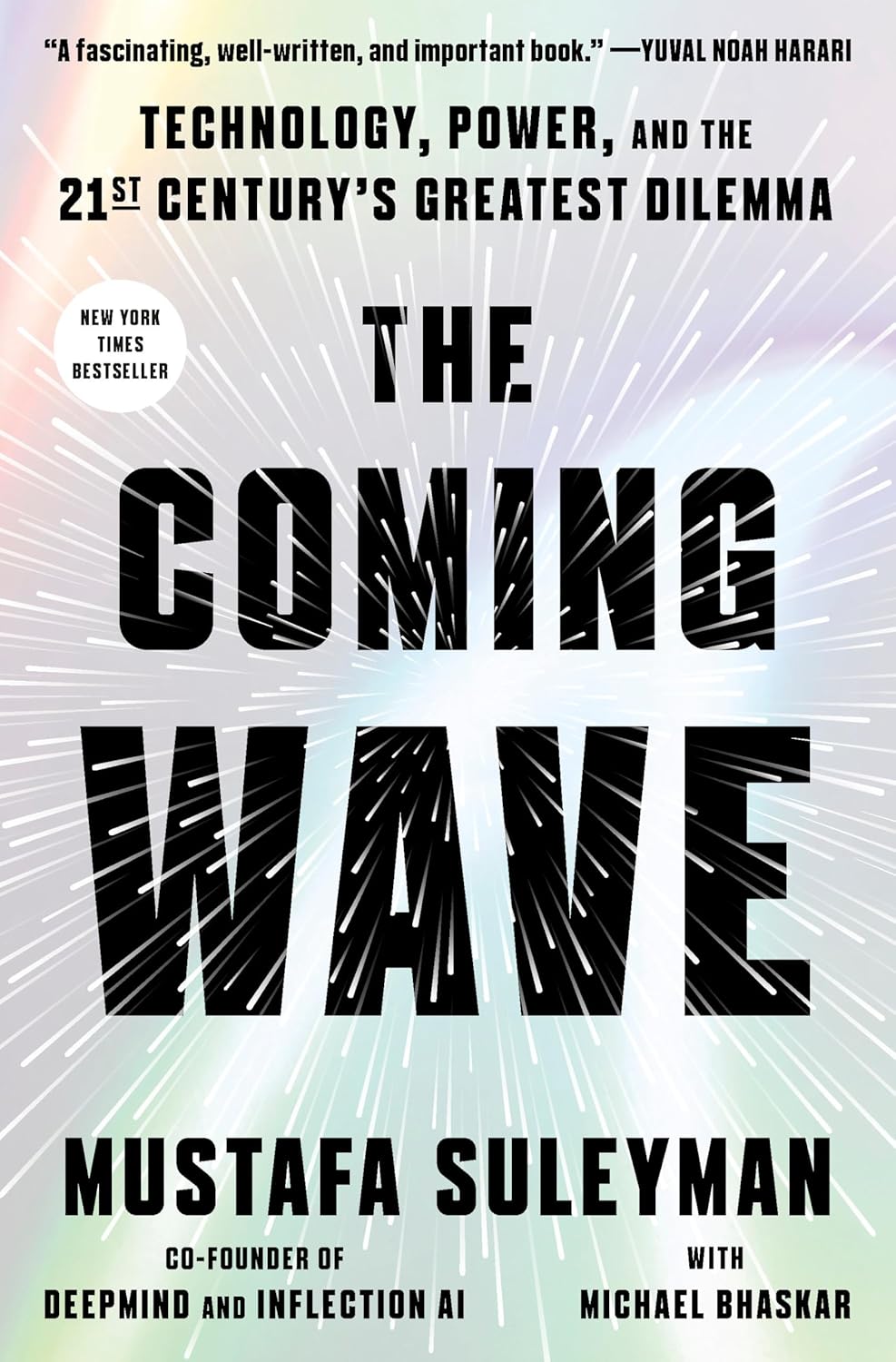
DeepMind co-founder on the dilemma of containing technologies that do not want to be contained.
As an Amazon Associate, Zendoric earns from qualifying purchases; the price does not change for you. · all our recommended books →
By MLQ.ai · July 11, 2026.
On July 7, Meta launched Muse Image, an image-generation tool on Instagram built by Meta Superintelligence Labs that let any user @-mention a public account and generate images based on its published photographs. The design was, by default, automatic opt-in: every public account belonging to an adult was opted in without any notification when its content was used as material for others' creations. Just three days later, on July 10, Meta withdrew the feature and admitted on its blog that it 'didn't get it right.' In between, SAG-AFTRA —the union representing more than 160,000 performers— urged its members and any Instagram user to disable the feature to 'protect their likeness,' and CAA, the agency representing names such as Tom Hanks and Meryl Streep, publicly demanded that documented consent be the rule and not the exception.
What is striking about the case is not that a big tech company launched a controversial product —that is already routine in the generative AI industry— but the speed of the reversal and what it reveals about where the bar of social tolerance really sits today. Meta was not caught off guard by an unexpected misuse of its tool: the misuse was the core functionality, documented in the product's own announcement. The company knew it was enabling by default the use of the likeness of millions of people without asking their permission, and it launched that way anyway, betting —it seems reasonable to think, though the article does not say so explicitly and it should not be presumed as a proven fact— that the friction would be manageable. It was not.
The market, however, sent a different signal from public opinion: Meta's shares rose nearly 6% that same Friday, closing at $669.21 and accumulating 12.5% over five sessions, with a market capitalization close to $1.7 trillion. This contrast —loud social outrage, total stock-market indifference— is itself a relevant data point: investors seem to have learned to treat these episodes as a cost of doing business in generative AI, not as structural damage to the brand or the business. As long as the product's withdrawal is swift and the headline fades within a week, the market does not penalize. That, in turn, reduces companies' incentive to design consent correctly from the outset, because the real punishment —if it comes— takes far longer to materialize than the benefit of launching fast and apologizing later.
This 'launch with opt-out, withdraw if there's noise' dynamic has become a recognizable pattern in the sector: testing the limit of the acceptable with the real user as a guinea pig, and using the public reaction as an ethical quality-control system that should have been applied before launch. It is a pattern that erodes accumulated trust precisely when the industry needs it most, because the uses of AI that truly matter in the long run —medical diagnosis, assistants that handle sensitive data, agents with access to our digital identity— demand a level of trust that is not rebuilt for free every time it is broken.
Our reading is that the episode marks, more than a technical failure, a failure of institutional design: the question was not whether Muse Image could generate quality images, but who decides on the use of one's own likeness, and there Meta got the decision architecture wrong before the model architecture. Consent by default —real opt-in, not a checkbox hidden in settings— will cease to be an idealistic position of unions and agencies and become a product-design requirement, simply because the reputational cost of not having it, even if the market is slow to reflect it, is already blatantly visible and organized: unions capable of mobilizing hundreds of thousands of members and agencies representing the most recognizable people on the planet are not a group that platforms can afford to ignore repeatedly.
In the long run, this does not contradict the underlying promise of generative AI —tools capable of creating, illustrating, and personalizing content almost instantly will keep multiplying the creativity available to anyone— but it does confirm that this future of creative abundance will only be sustainable if it is built on a solid layer of individual consent and control, not as a patch applied after the controversy. The lesson of Muse Image, if the industry absorbs it, is that ethical consent design does not slow innovation: it is the condition for innovation to be adopted without friction and, over time, to reach everyone.
📚 Go deeper

The best starting book if you're not technical: a Wharton professor explains how to work WITH AI — when to delegate, when to supervise, when to keep i
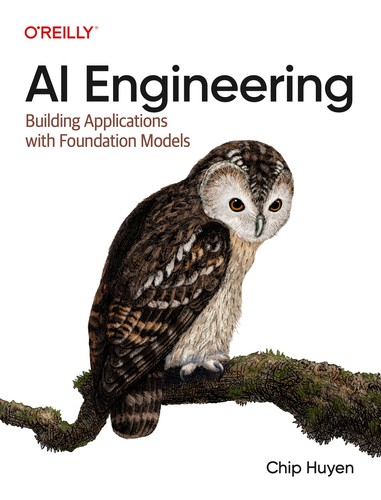
The reference manual for building products on top of AI models: prompts, RAG, fine-tuning, agents, evaluation and deployment.
As an Amazon Associate, Zendoric earns from qualifying purchases; the price does not change for you. · all our recommended books →
🔗 Related on Zendoric
- Meta pulls its controversial Instagram AI feature that let users generate images from other people's public accounts · 2026-07-14
- Cloning a voice no longer takes hours of recording: why older adults are the easy target for fraudulent AI · 2026-07-02
- Claude Fable 5: when 'safer' translates into 'less useful' and the market makes Anthropic pay for it · 2026-07-03