The AI Layoff Alibi: Big Tech Cuts Staff While Pouring Billions Into the Same Technology

🕒 Published on Zendoric: July 12, 2026 · 00:14
Xbox, Amazon, Meta, Google and Cloudflare are shedding tens of thousands of jobs under an "AI" banner — yet the technology rarely does the work of the people fired. The real story isn't automation replacing labor; it's capital being reallocated to whatever pleases the market.
📚 Go deeper

The best starting book if you're not technical: a Wharton professor explains how to work WITH AI — when to delegate, when to supervise, when to keep i
As an Amazon Associate, Zendoric earns from qualifying purchases; the price does not change for you. · all our recommended books →
The facts, as reported, are almost too neat: the same week Xbox CEO Asha Sharma announced 1,600 layoffs, the Federal Reserve reportedly recruited her for a group advising on "employment and productivity in the AI era." The company's own framing is telling — it says these roles aren't being eliminated *by* AI, but that people and investment are being "reoriented" toward AI priorities. Across Amazon, Meta, Google and Cloudflare, the report identifies the same verb: not "replace," but "reorient." More than 30,000 cuts at Xbox, Amazon and Meta in 2026 land in the same year Amazon reportedly plans to invest $200 billion in AI infrastructure.
Our thesis: the honest headline here is not "AI took these jobs." It's that "AI" has become the sanctioned narrative for reallocating capital — and the framing conveniently launders the employer's responsibility onto the technology. As the source argues, companies aren't cutting where AI already does the work; they're cutting where the business has a weaker multiple or a thinner story to tell investors. Meta trimmed around 10% of staff while ramping data-center spending; Google reportedly hollowed out Cloud units — including the very cybersecurity team it sold as a reason to trust its cloud — citing the need to reinvest in growth areas "like AI." Cloudflare cut 1,100 to "prepare for the agentic era."
This matters because the language does real work. Attributing cuts to an impersonal, inevitable technology reframes a management decision as a force of nature. It also distorts the public's mental model of automation. We've argued before that AI's labor impact is real but uneven — back-office and routine administrative work is genuinely exposed, while judgment, relationships and presence resist. What we're watching in these 2026 layoffs is something different and, in a sense, more mundane: a market that punishes any hint of insufficient AI ambition (Microsoft reportedly had its worst month since the dot-com bust in June for not looking committed enough) turning layoffs into the toll paid to keep telling the story.
The divergence inside the pattern is where the analysis gets interesting. SAP has reportedly frozen hiring to fund a "significant AI bet" even as its stock slid and its CEO muses that in two or three years nobody at the company may still be coding. Intel, having admitted it's no longer among the top ten in chips, is cutting 20% and retreating toward on-device AI, away from the data center. One is doubling down on the story; the other is folding a losing hand — and both reach for the same word. That tells you the label has been stretched until it means almost nothing, which is precisely why it's so useful.
Our reading: strip away the euphemism and two things are true at once. In the short term, this is a painful, cynical transition — workers are absorbing the cost of a capital rotation dressed up as technological destiny, and we should name that plainly rather than accept "the AI did it." But the deeper signal is that the investment itself is real: hundreds of billions flowing into compute, models and infrastructure that will, over time, compound into the tools that can push medicine, science and material abundance forward. The tragedy of the moment is the mismatch — the gains are being promised to shareholders today while the human dislocation is being socialized now, and the broadly shared payoff remains a longer-term bet. The task for anyone watching isn't to buy the "AI replaced them" narrative or to dismiss the technology as hype; it's to hold companies accountable for the decisions they're actually making, and to insist that the abundance being financed on the back of these layoffs eventually reaches the people paying for it.
📚 Go deeper
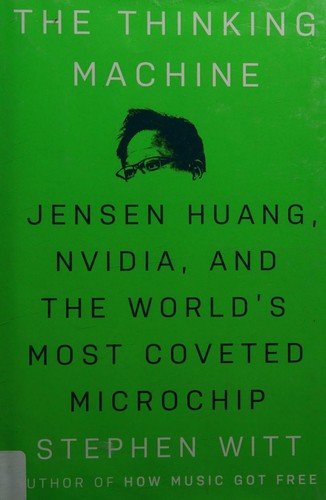
The story of NVIDIA and Jensen Huang: how a video-game card company ended up making the most coveted resource on the planet.
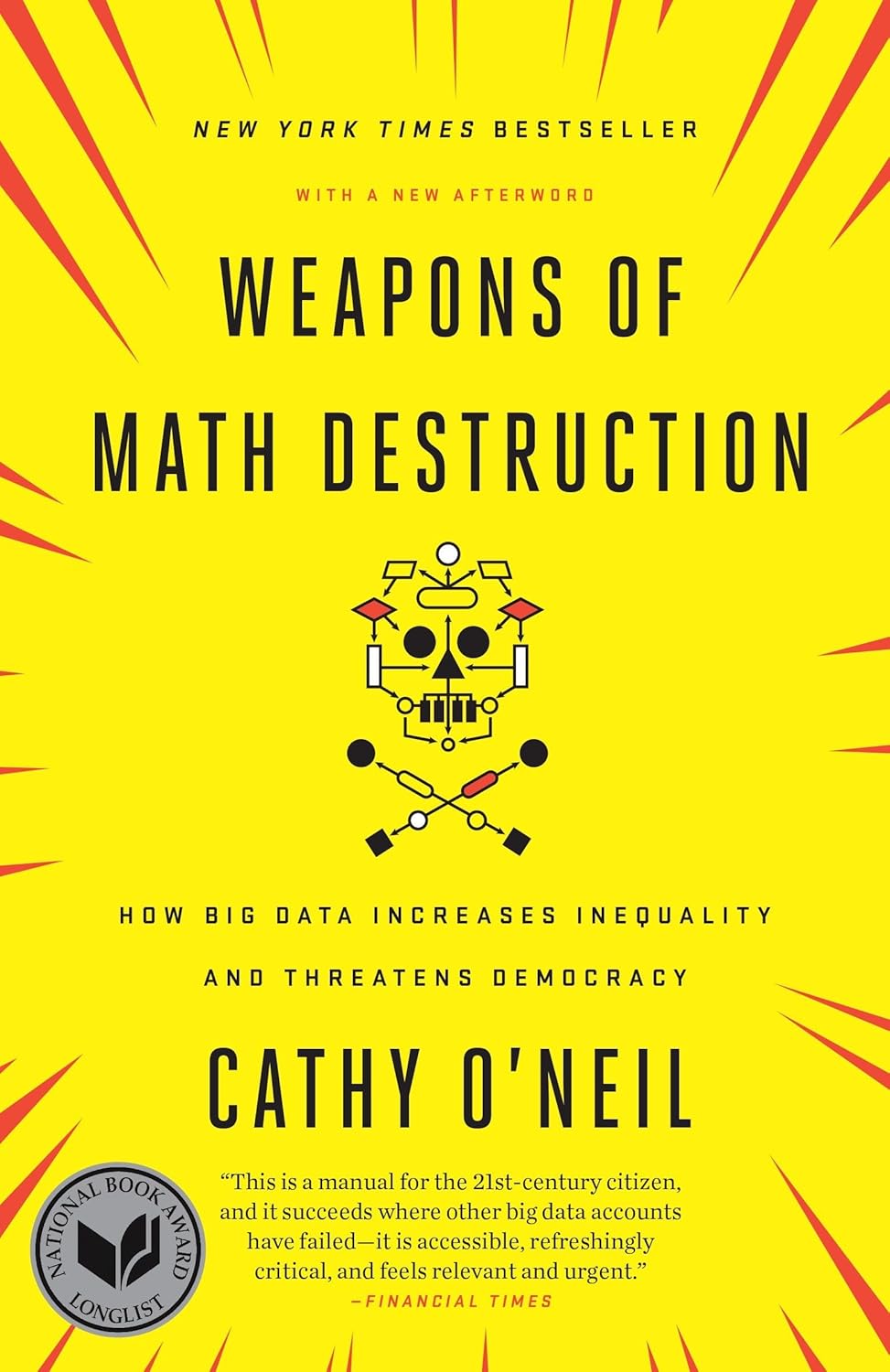
How opaque algorithms decide who gets credit, a job or parole — and why they tend to punish the same people.
As an Amazon Associate, Zendoric earns from qualifying purchases; the price does not change for you. · all our recommended books →
🔗 Related on Zendoric