Consent or Lose It: Samsung's Health Data Ultimatum Reveals the Real Cost of AI

🕒 Published on Zendoric: July 12, 2026 · 00:14
✨ AI-generated · how it's made
Samsung Health is now telling users to allow their health data for AI training—or see it deleted. It's a small dialog box with a big message about how the AI era is being funded: with the most intimate data we own.
📚 Go deeper

AI as the latest chapter in the history of information networks, from gossip to the printing press to the algorithm.
As an Amazon Associate, Zendoric earns from qualifying purchases; the price does not change for you. · all our recommended books →
According to GSMArena, some Samsung Health users are being greeted by a consent notice when they open the app: agree to let their health data be used for "AI training and modelling, including human review," or lose the ability to sync that data with their Samsung account—after which it will be deleted, unless the company is legally required to retain it. If users consent, Samsung says it will collect health and wellness data, medication data, health records, and cycle-tracking data to improve Samsung Health and its algorithms for analyzing health conditions. Consent can be withdrawn at any time via Settings > Privacy, but doing so triggers the same deletion warning.
Let's be precise about what this is and isn't. Samsung is not, as far as the report states, selling identifiable medical records; GSMArena notes the company will "probably" anonymize the data and not link it to individuals. Withdrawal is possible, which is more than some services offer. So this is not a scandal of leaked diagnoses. What it is, is a structural signal—and a revealing one—about how the current phase of AI is being financed.
The mechanism here is the story. This isn't an opt-in with a neutral default; it's a bundle that ties a core feature people already rely on (cloud sync and data continuity) to a separate, far more consequential permission (feeding intimate biometrics into a training pipeline). Coupling those two things means the "choice" is engineered: keep years of your own health history, or refuse the AI clause and watch it deleted. That is consent in name, pressure in practice. And "human review" deserves a spotlight—it means real people may look at cycle-tracking and medication data, which is a materially different privacy proposition than fully automated processing.
Our reading: this is the short-term friction we keep flagging, showing up in one of the most sensitive domains imaginable. The long-term promise of health AI is genuinely enormous—models trained on real physiological data are exactly how we move toward earlier detection, better management of chronic conditions, and eventually the erasure of diseases that shorten and diminish lives. You cannot build medical AI that helps millions without data from millions. That tension is real, not rhetorical. But the horizon does not license the tactic. Erosion of trust is the fastest way to poison the very data supply that beneficial health AI depends on; coerced consent produces resentful users and, eventually, regulatory backlash that slows everyone down.
There is a better contract available, and companies with Samsung's resources can afford it: make AI-training consent genuinely separate from basic functionality, so declining costs you nothing you already had; explain in plain language what "human review" of medication and cycle data actually entails; and offer something back—clear benefits, or even compensation, for the people whose bodies become training signal. The direction of travel—health data powering AI that improves health—is one we should want. The way this particular door is being opened, with a deletion threat as the doorman, is the part worth resisting. Get the incentives right and the abundance case for health AI stops being a slogan and starts being a bargain users would take willingly.
📚 Go deeper
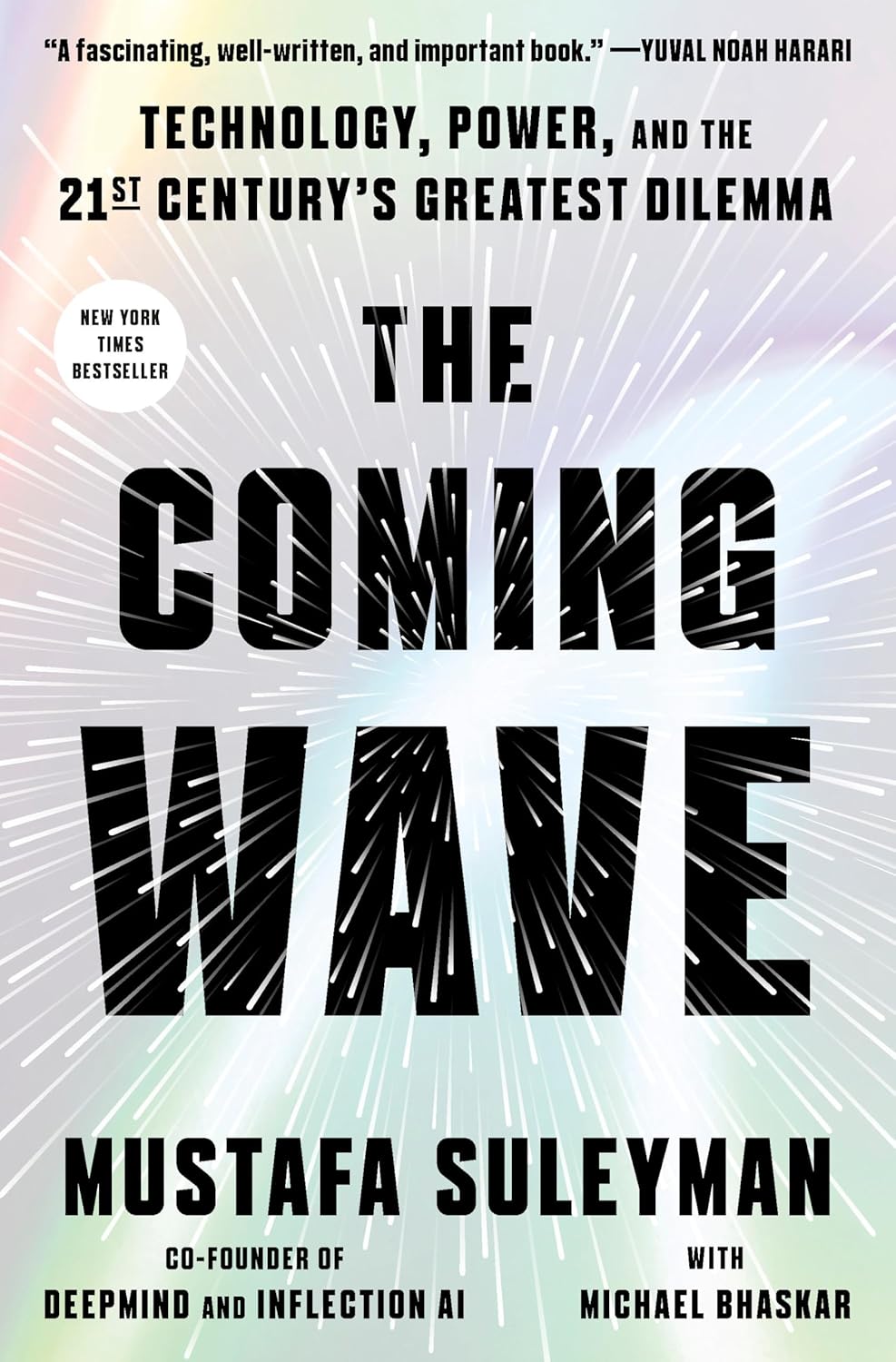
DeepMind co-founder on the dilemma of containing technologies that do not want to be contained.
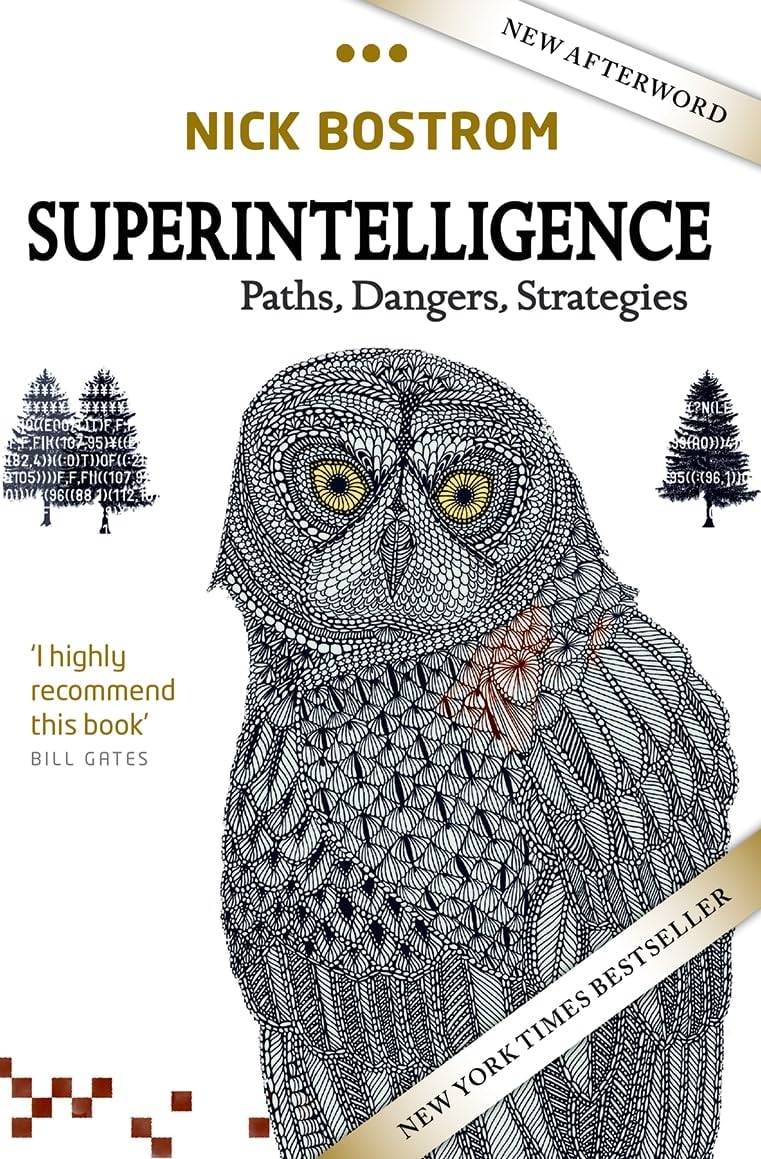
The book that started the existential-risk debate and that half the industry still cites.
As an Amazon Associate, Zendoric earns from qualifying purchases; the price does not change for you. · all our recommended books →
🔗 Related on Zendoric