Samsung Health puts a price on your medical history: consent to AI training or lose your data

🕒 Published on Zendoric: July 12, 2026 · 00:14
✨ AI-generated · how it's made
Samsung is starting to ask Samsung Health users for permission to use their health data—including menstrual cycle and medication—to train its AI models. Those who refuse not only lose syncing: they lose the data, deleted outright.
📚 Go deeper
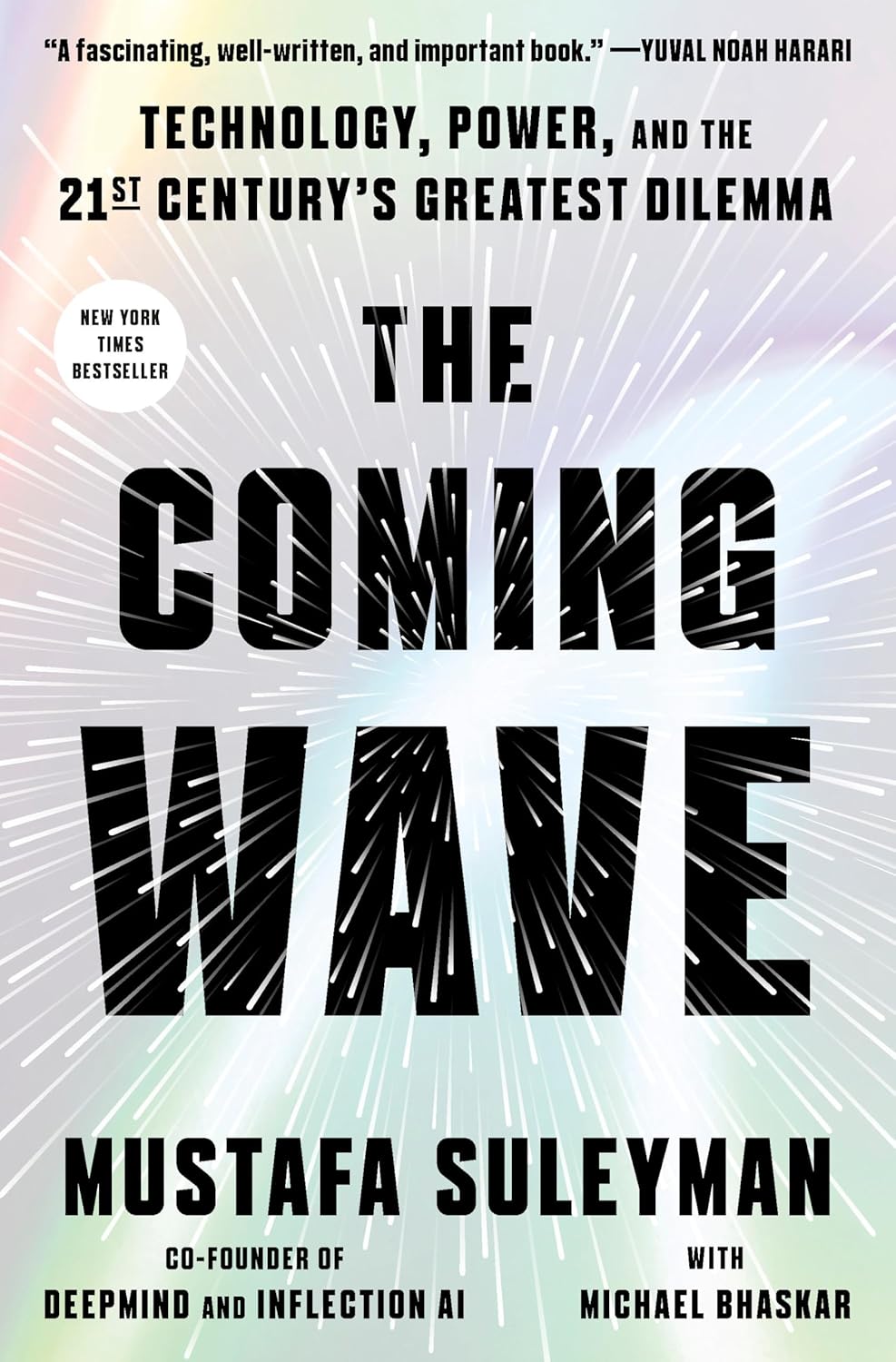
DeepMind co-founder on the dilemma of containing technologies that do not want to be contained.
As an Amazon Associate, Zendoric earns from qualifying purchases; the price does not change for you. · all our recommended books →
By GSMArena · July 11, 2026.
Some Samsung Health users are seeing an unusual consent notice appear in the app: agreeing that their health and wellness data, medication, medical records and menstrual cycle tracking be used for "AI training and modeling, including human review," with the stated aim of improving the app and its algorithms for analyzing health conditions. The fine print is the part that matters: those who do not consent not only stop syncing their data with their Samsung account, but lose it —it is deleted— unless the law requires Samsung to retain it. Consent can be withdrawn later from Settings > Privacy, but withdrawing it triggers the same deletion notice.
It is a consent design with the cards stacked. Formally it is opt-in —the user decides— but the consequence of saying no (losing years of sleep, cycle, medication or heart-rate history) turns the choice into soft coercion: accept or start from scratch. GSMArena notes, though Samsung does not explicitly confirm it in what was reported, that the data is presumably anonymized before the models are trained; there is, however, no public detail on the anonymization standard, how long the samples are retained or whether they are shared with third parties. Given that this is health data —a special category under practically any serious data protection framework, from Europe's GDPR to US state laws— the absence of those details is no minor nuance.
This fits a broader trend we had already flagged: makers of wearables and health apps have long been trying to become data companies, not just hardware companies. Samsung had already explored sharing data from its devices with clinical research; now the novelty is that the explicit destination is training its own AI models, and that it does so with the friction placed on the side of the user who wants to say no. Apple, Google (Fitbit) and Oura manage the tension between monetizing biometric data and not scaring off a user base that trusts them precisely because this is medical information; none, as far as is known, has yet opted for a "consent or lose your history" mechanism as explicit as Samsung's.
Our read: there are two truths here that coexist uncomfortably. The first is that health data at scale —millions of sleep patterns, cycles, vital signs, response to medication— is exactly the kind of raw material that can accelerate models capable of detecting diseases earlier, personalizing treatments and, over time, bringing us closer to that long-term horizon in which AI helps eradicate illness and extend years of healthy life. That is the underlying argument that legitimizes, in the abstract, the entire sector's hunger for health data. The second truth, uncomfortable but real, is that the short path to that horizon cannot run through normalizing data blackmail: presenting deletion as punishment for not handing over medical information erodes precisely the trust needed for people to share that data in a sustained and informed way. In the short term, this kind of design decision will generate legal friction —it is easy to imagine scrutiny from privacy regulators in Europe or Korea— and distrust from a segment of users most sensitive to these issues, precisely those who would add the most value as long-term data cohorts. The paradox is that the more aggressively consent is pressured today, the harder it becomes to build the open, trustworthy health-data infrastructure we need for AI's medical promise to be fulfilled tomorrow. Samsung has the opportunity to lead this space with real transparency about anonymization and use; for now, the chosen design suggests it has prioritized the volume of data over the trust that sustains it.
📚 Go deeper
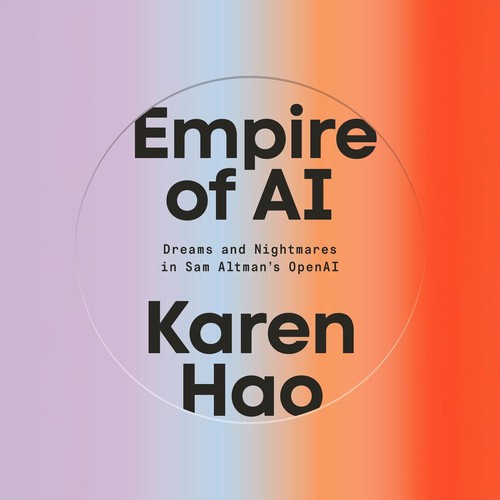
The definitive piece of investigative journalism on OpenAI: 260+ interviews, the clash between safety and speed, and the attempted firing of Sam Altma

The story of NVIDIA and Jensen Huang: how a video-game card company ended up making the most coveted resource on the planet.
As an Amazon Associate, Zendoric earns from qualifying purchases; the price does not change for you. · all our recommended books →
🔗 Related on Zendoric