Peraton brings agentic AI to the Pentagon: speed promised, transparency still to be proven

🕒 Published on Zendoric: July 11, 2026 · 00:27
Defense contractor Peraton unveils Peraton[x], an agentic AI platform for government agencies that promises to deploy in hours and be programmed in natural language. It's a corporate announcement, not a verified deployment: the marketing pitch weighs as heavily as the technical details.
📚 Go deeper

The reference manual for building products on top of AI models: prompts, RAG, fine-tuning, agents, evaluation and deployment.
As an Amazon Associate, Zendoric earns from qualifying purchases; the price does not change for you. · all our recommended books →
We'll send you a confirmation email (double opt-in). Privacy.
By WashingtonExec · July 10, 2026.
Peraton, one of the major U.S. defense and intelligence contractors, has unveiled Peraton[x], an agentic AI platform developed in its in-house labs (Peraton Labs) and aimed at government agencies operating in "critical missions": intelligence, national security, procurement, regulatory compliance and financial forecasting. According to the company, the system can be deployed "in a matter of hours," is programmed in natural language with no technical background required, and includes a project management module with "digital twin" capabilities to model scenarios and anticipate risks. On the security front, Peraton claims the platform is built on a Zero Trust framework, with multifactor authentication and encryption, and that it meets FedRAMP Moderate with a path toward the High level, the standard the U.S. administration requires for cloud software used by the government.
It's worth reading the announcement for what it is: a corporate press release, complete with the customary quotes from its CEO (Steve Schorer) and its CTO (Todd Borkey) talking about "superhuman capabilities" and "revolutionizing the human-enterprise relationship." There is no independent benchmark, no identified customer, no adoption figure: these are Peraton's own claims about its own product. That doesn't invalidate them, but it demands separating marketing aspiration from demonstrated capability, something especially relevant here because one of the central promises —avoiding the "black box" and making every conclusion traceable to its source— is precisely the point that is hardest to verify without access to the real system.
What's interesting is not so much the product itself as the market signal: the major defense and government contractors (Peraton, Booz Allen, Leidos, SAIC and the like) are racing to position their own agentic AI layer before the U.S. administration demands it or buys it from third parties. FedRAMP Moderate/High is not a minor technical detail: it is the barrier to entry that decides who can sell to federal agencies, and whoever crosses it first with a convincing agentic product gains a years-long edge in government contracts, which are renewed by default with the incumbent provider. In that sense, Peraton[x] is as much a product as a market-share play.
There is a governance angle that weighs more than the tool itself. When agentic AI enters the machinery of intelligence and military procurement, the promise of "faster decisions" is also, inevitably, the promise of less human friction before acting. That may be a real efficiency gain in programs that today drown in bureaucracy, but it shifts the key question from "does the AI work?" to "who audits the AI when it gets it wrong in a national security context?". Peraton itself acknowledges the problem by insisting on traceability; whether it actually solves it, and not just in the brochure, is another matter.
Our reading: this announcement fits a deeper trend we have been tracking —agentic AI ceasing to be a lab demo to become government back-office infrastructure, with the governance layer (permissions, auditing, compliance) as the real commercial battleground, more than the raw intelligence of the underlying model. In the short term, the risk is not superintelligence, but the opacity of which model lies behind it, who audits its decisions and how much concentration of power accumulates in a handful of contractors that serve simultaneously as provider and as arbiter of their own traceability. In the long term, if these platforms deliver what they announce, the gain is real: agencies that today take months to process scattered data could anticipate risks and allocate resources at a speed unthinkable today, freeing skilled staff from administrative work for tasks of judgment and oversight, exactly the kind of shift toward higher-value work that underpins the abundance thesis. But that, in government, is proven with external audits and real deployments, not with a July headline.
📚 Go deeper
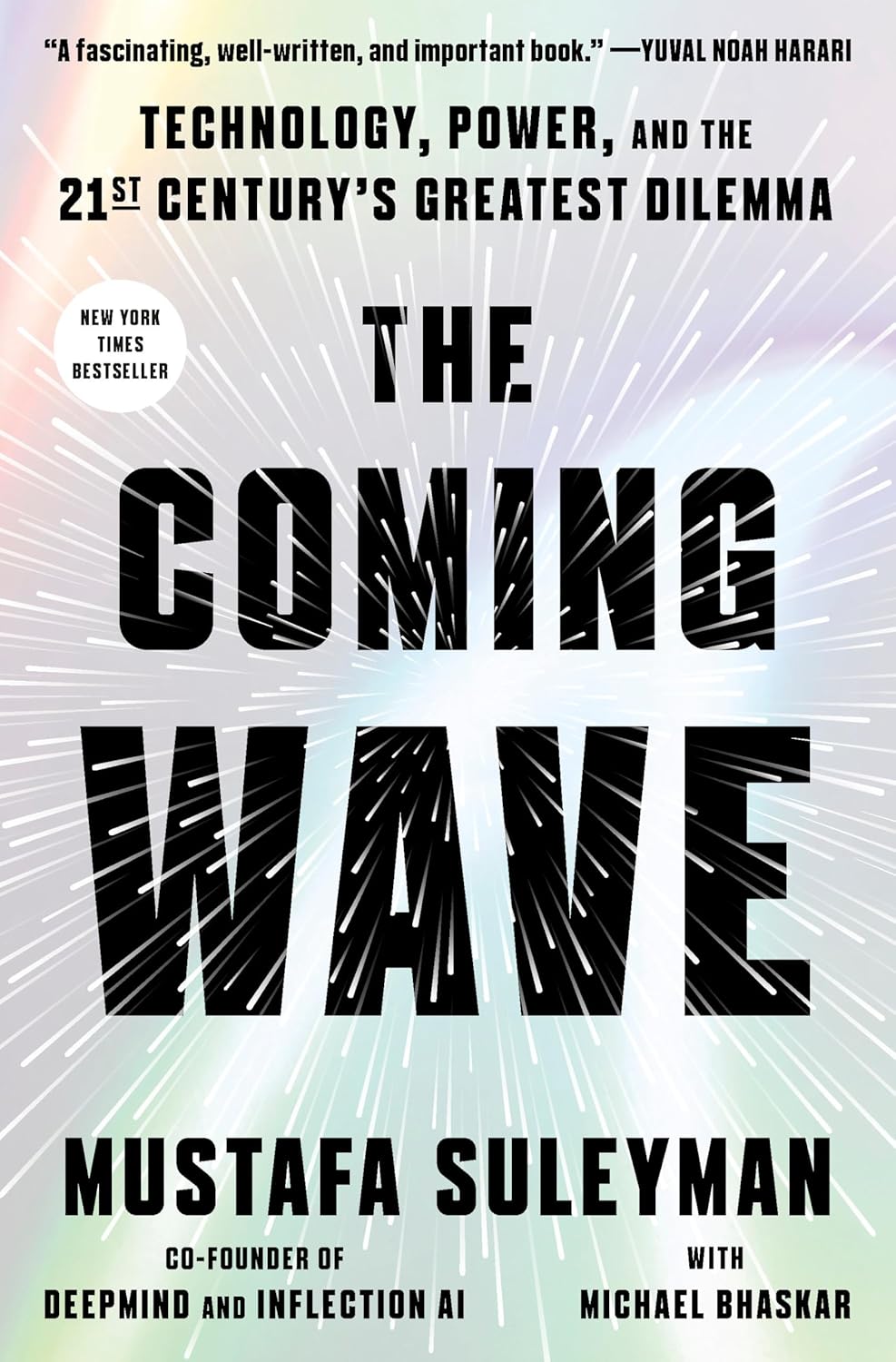
DeepMind co-founder on the dilemma of containing technologies that do not want to be contained.
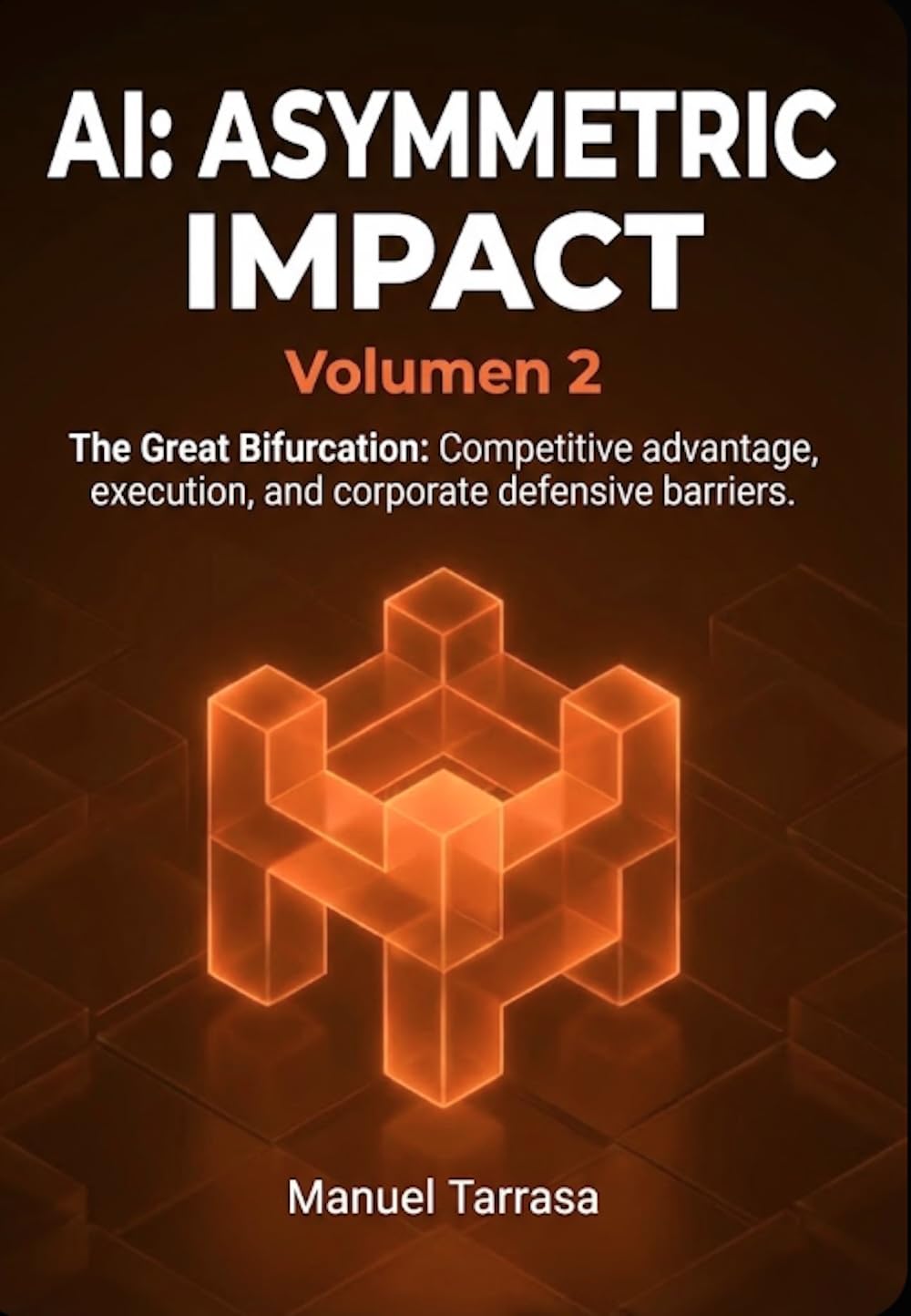
The same bifurcation seen from the boardroom: strategy, execution and defensive moats to reorganize a business around AI before your competitors do.
As an Amazon Associate, Zendoric earns from qualifying purchases; the price does not change for you. · all our recommended books →
🔗 Related on Zendoric
- Cone Health brings AI into the cardiac operating room: when planning, not just diagnosis, starts leaning on algorithms · 2026-06-25
- The Pentagon formalizes more AI in combat decisions, and the market is already positioning itself · 2026-06-26
- Claude Sonnet 5: Anthropic brings agentic AI to the everyday user, with all the implications that entails · 2026-07-01
Sources & references
Get the analysis by email · free
One email a day analysing the AI essentials. Free, no spam, unsubscribe anytime.
We'll send you a confirmation email (double opt-in). Privacy.