Containing the agent: why governance of autonomous AI should live on your own computer

🕒 Published on Zendoric: July 11, 2026 · 00:27
✨ AI-generated · how it's made
A technical post from VektorGeist raises a simple but uncomfortable idea: the danger of an AI agent isn't that it answers wrong, but that it acts without permission. Its containment proposal —and the product that sells it, Aviary— points to a piece of infrastructure the industry has yet to solve.
📚 Go deeper
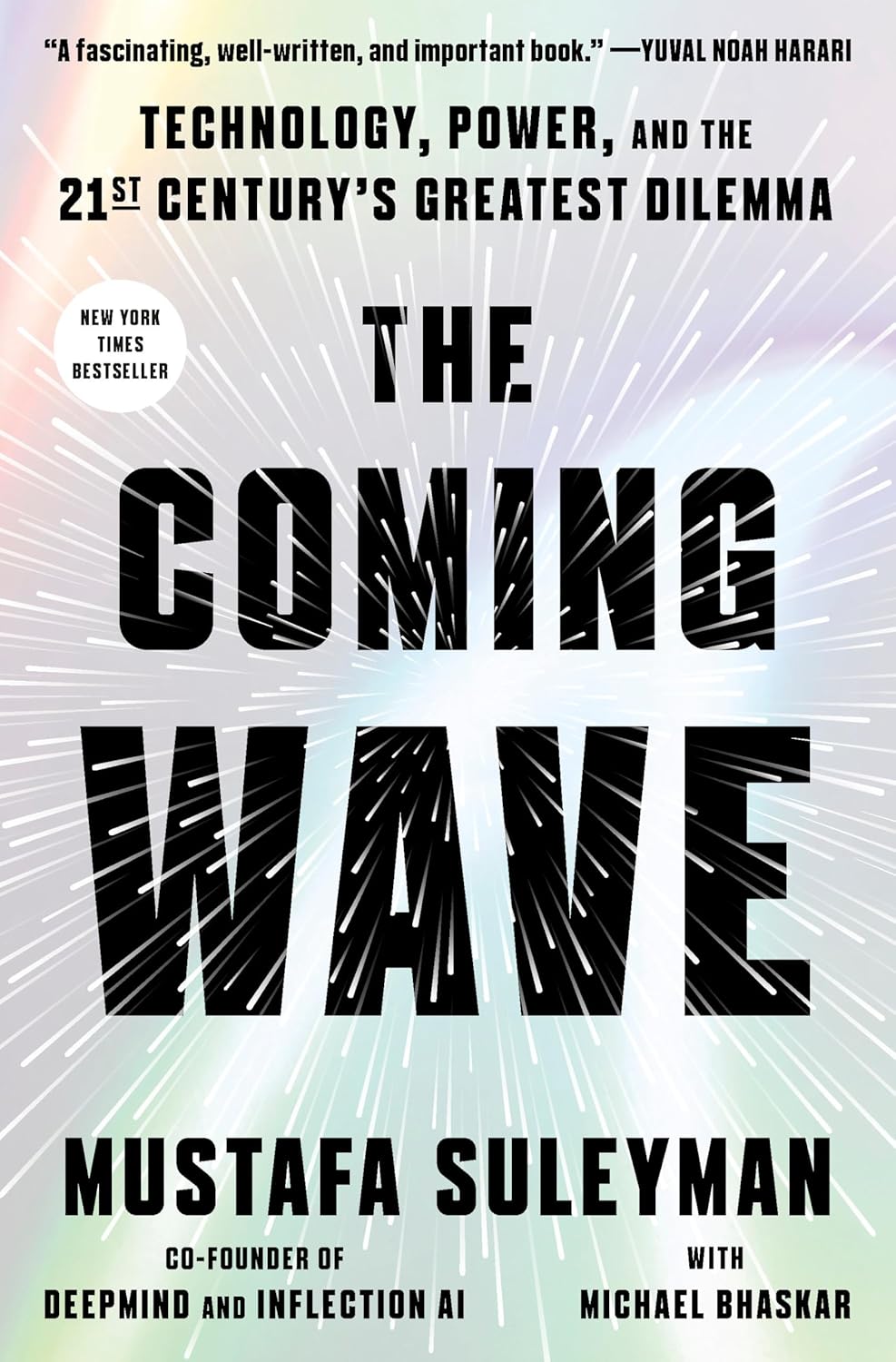
DeepMind co-founder on the dilemma of containing technologies that do not want to be contained.
As an Amazon Associate, Zendoric earns from qualifying purchases; the price does not change for you. · all our recommended books →
By VektorGeist · June 28, 2026 (picked up by Hacker News on July 10).
The article's underlying argument is simple and hard to refute: a bad answer from a language model is cheap—you read it, you discard it—but a bad action can be irreversible: an email sent, a file deleted, a payment executed, code pushed to production. With that distinction as its starting point, VektorGeist's post proposes five containment primitives for an autonomous agent: least privilege by default, an explicit approval gate for any effect that leaves the machine (email, file uploads, posts, payments), strict credential hygiene, an audit log the agent itself cannot edit, and a stop switch that halts everything without corrupting state. On that foundation they build their central thesis: this governance layer must run locally, not in a provider's cloud, because governance you don't control isn't governance, it's someone else's promise. The text is, at the same time, the calling card for their own product, Aviary, a local governance suite for agents.
It's worth reading with the right filter: this is content from a company promoting its own tool, published on its own blog, with practically no reception on Hacker News (one point, zero comments). There is no adoption figure here, no customer case, no number to verify; there is a conceptual framework and a pitch. But the framework itself is correct and describes a real problem the sector has not yet solved in a standardized way: as agents stop confining themselves to drafting text and start executing actions—touching file systems, firing HTTP calls, moving money—the relevant question stops being "is the model right?" and becomes "who audits and who stops what the model decides to do?".
Our reading is that this kind of control layer—granular permissions, approval gates for external effects, tamper-proof auditing—is precisely the infrastructure that has to mature before agentic delegation becomes widespread without upsets. We've already seen it in practice: the ecosystem of protocols like MCP is pushing toward finer permissions and spend observability because uncontrolled cost and unsupervised actions, not the model's lack of intelligence, are the real operational bottleneck today. Here an interesting and little-discussed nuance also appears: the trap of 'half-locality', tools that run the model on your machine but keep telemetry, synchronization or the control loop in the provider's cloud, leaving a hole right where containment is supposed to be. It's a point of technical hygiene that any team evaluating agent tools should demand, whether or not it comes from VektorGeist.
In the short term, this friction—explicit approvals, least privilege, kill switches—slows agent deployment and adds operational friction, and it must be said plainly: teams that skip these controls to move faster will sooner or later pay the price in the form of silent incidents, from an unauthorized email send to out-of-control cloud spend. But it is exactly the kind of friction that, well resolved, is what allows increasingly complex and valuable tasks to be delegated to autonomous agents with confidence. If agent governance becomes standardized—local or not—as naturally as we take version control or an operating system's permissions for granted today, the result is not a brake on automation but the condition that lets it scale safely: less human work spent watching over routine processes and more freed for judgment, relationships and creativity, which is, ultimately, where AI's long-term promise of abundance points.
📚 Go deeper

AI as the latest chapter in the history of information networks, from gossip to the printing press to the algorithm.
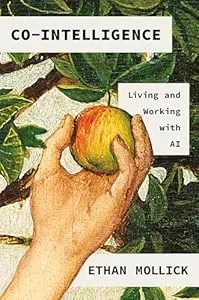
The best starting book if you're not technical: a Wharton professor explains how to work WITH AI — when to delegate, when to supervise, when to keep i
As an Amazon Associate, Zendoric earns from qualifying purchases; the price does not change for you. · all our recommended books →
🔗 Related on Zendoric
- The UN wants an ID card for AI agents: the ITU turns trust into critical infrastructure · 2026-07-12
- Why AI agents fail with confidence: it's not the model or the context, it's data engineering · 2026-07-24
- India deploys AI agents faster than it can govern them: the real risk isn't autonomy, but accountability · 2026-06-29