GPT-5.6's cyber guardrails cracked in hours: the defense gap, not the model, is the story

🕒 Published on Zendoric: July 11, 2026 · 00:27
The U.K. AI Security Institute says OpenAI's new GPT-5.6 Sol falls to 'universal jailbreaks' that unlock autonomous vulnerability discovery and exploit development. It's the same failure mode that triggered U.S. export controls on Anthropic's Fable 5. The uncomfortable truth: patching specific jailbreaks closes instances, not the category.
📚 Go deeper
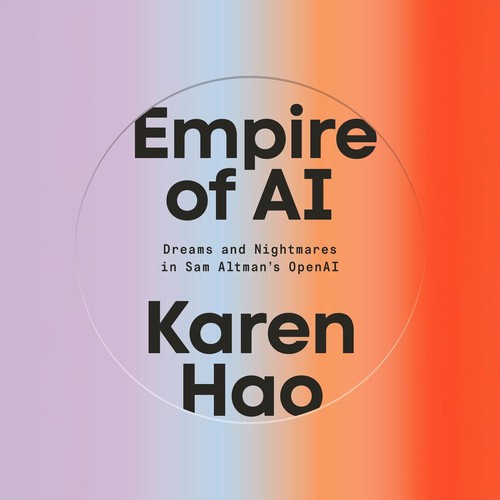
The definitive piece of investigative journalism on OpenAI: 260+ interviews, the clash between safety and speed, and the attempted firing of Sam Altma
As an Amazon Associate, Zendoric earns from qualifying purchases; the price does not change for you. · all our recommended books →
We'll send you a confirmation email (double opt-in). Privacy.
The facts first, cleanly attributed. In a technical report (system card) published alongside GPT-5.6 Sol's release, OpenAI disclosed that the U.K. AI Security Institute (AISI) had found "universal jailbreaks in the cyber domain" — prompts that bypassed the model's guardrails and enabled long-form agentic tasks like finding software vulnerabilities and autonomously breaking into systems. AISI says the jailbreaks were often developed "within hours," though OpenAI notes the researchers had privileged access that a normal user would not, likely accelerating the timeline. OpenAI says it worked to reproduce and mitigate the specific jailbreaks, but did not detail the fixes — and AISI itself cautioned it "expects further red teaming to surface similar jailbreaks."
The context makes this more than a single-vendor stumble. The described failure closely resembles the jailbreak Amazon researchers found in Anthropic's Fable 5 days after its June 9 launch — a discovery that prompted the U.S. government to impose export controls on Fable 5 and its underlying Mythos 5 model on June 12, forcing Anthropic to disable the models entirely because it couldn't verify user nationalities. In other words, the same class of weakness that turned one lab's product into a geopolitical liability has now surfaced in its main competitor's flagship. This is not an OpenAI problem or an Anthropic problem; it's a frontier-model problem.
What matters most is the asymmetry two experts flagged. DarkTrace's Margaret Cunningham warned the finding is "neither catastrophic nor irrelevant," and located the real worry precisely: "offensive discovery is speeding up while defense still depends on very human processes" — deciding what matters, what can be patched, what must be contained. AISLE's Stanislav Fort was blunter: patching what AISI found "only closes those specific attack instances, not the category as a whole." That is the crux. Whack-a-mole remediation of individual jailbreaks does not fix a guardrail architecture that treats safety as a filter bolted onto a fundamentally capable system.
Our reading. This is short-term friction of exactly the kind we've argued is the honest cost of powerful, dual-use AI — and it validates the AISI voluntary-testing regime born at Bletchley Park in 2023. The good news is real: independent government red-teaming caught this before, not after, wide deployment, and the disclosure happened in the open via the system card. That is governance working roughly as designed. The bad news is structural: the same capability that lets these models triage vulnerabilities for defenders lets them find and exploit them for attackers, and the defensive side of that equation is still bottlenecked on slow, human judgment.
The policy lesson is where we'd push back on reflexes. Export controls disabled Fable 5 for everyone, including the lab's own non-American staff, because there was no way to verify who was on the other end of the API — a blunt instrument that punished capability rather than governing use. Regulating the panic is easy; governing the actual risk is hard. The productive path is investment in the unglamorous half of the problem: automated defense that closes attack categories rather than instances, verified-access infrastructure, and continuous evaluation instead of one-shot certification. Longer term, the very models that can autonomously discover exploits are also our best shot at autonomously hardening the software the world runs on — the same abundance dynamic we see elsewhere, arriving through a genuinely rough transition. The task now is to make defense compound as fast as offense does.
📚 Go deeper
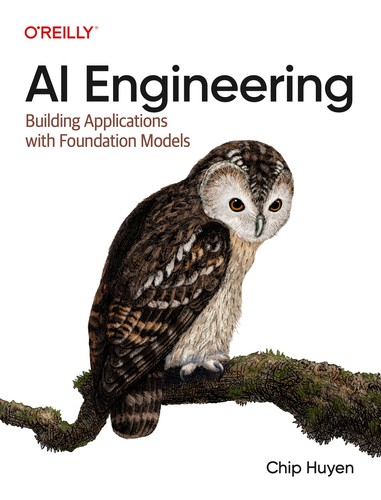
The reference manual for building products on top of AI models: prompts, RAG, fine-tuning, agents, evaluation and deployment.
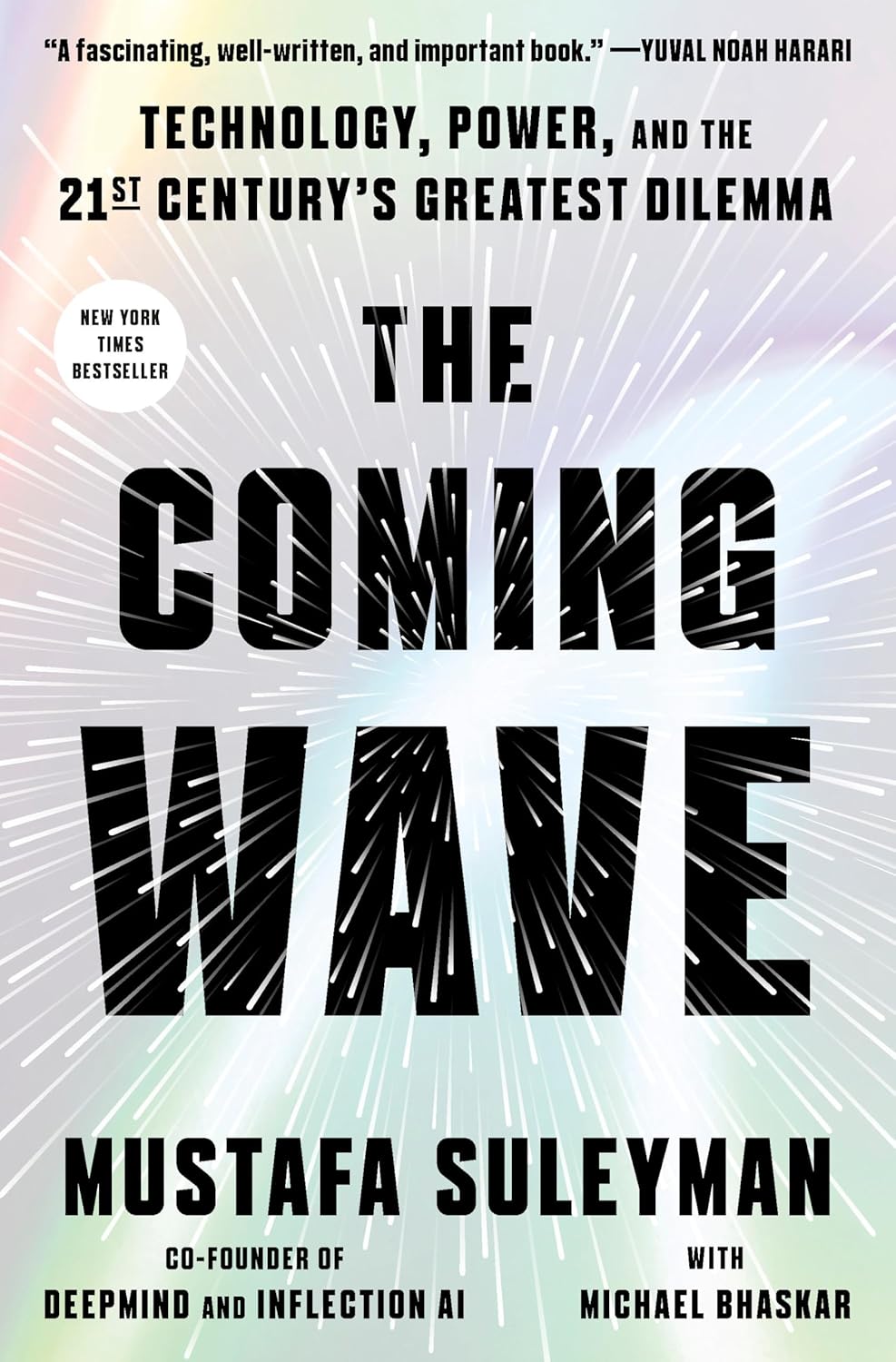
DeepMind co-founder on the dilemma of containing technologies that do not want to be contained.
As an Amazon Associate, Zendoric earns from qualifying purchases; the price does not change for you. · all our recommended books →
🔗 Related on Zendoric
- The deal Anthropic is negotiating with Washington reopens an uncomfortable question: how do you control the export of something that travels in a file · 2026-06-27
- Anthropic's Fable 5 is available again after Trump's export controls are lifted · 2026-07-03
- When an AI model becomes an export good, the border is no longer physical · 2026-06-24
Sources & references
Get the analysis by email · free
One email a day analysing the AI essentials. Free, no spam, unsubscribe anytime.
We'll send you a confirmation email (double opt-in). Privacy.