Meta Ships an AI Image Tool That Makes Deepfakes — and the Burden of Defense Falls on You
🕒 Published on Zendoric: July 11, 2026 · 00:27
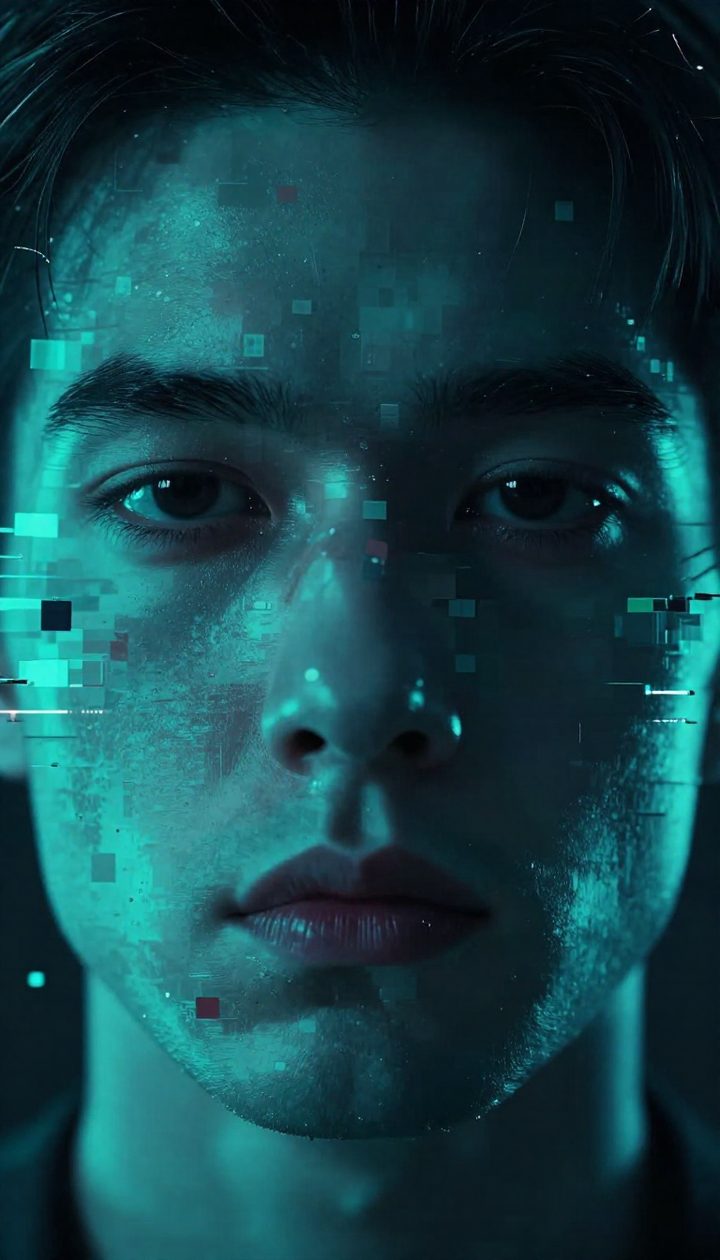
CNET flags a new Meta AI image feature capable of generating deepfakes on Instagram, alongside a how-to for protecting yourself. The underlying story isn't the tool — it's that platforms keep shipping synthetic-media capabilities while quietly outsourcing the risk to users.
📚 Go deeper
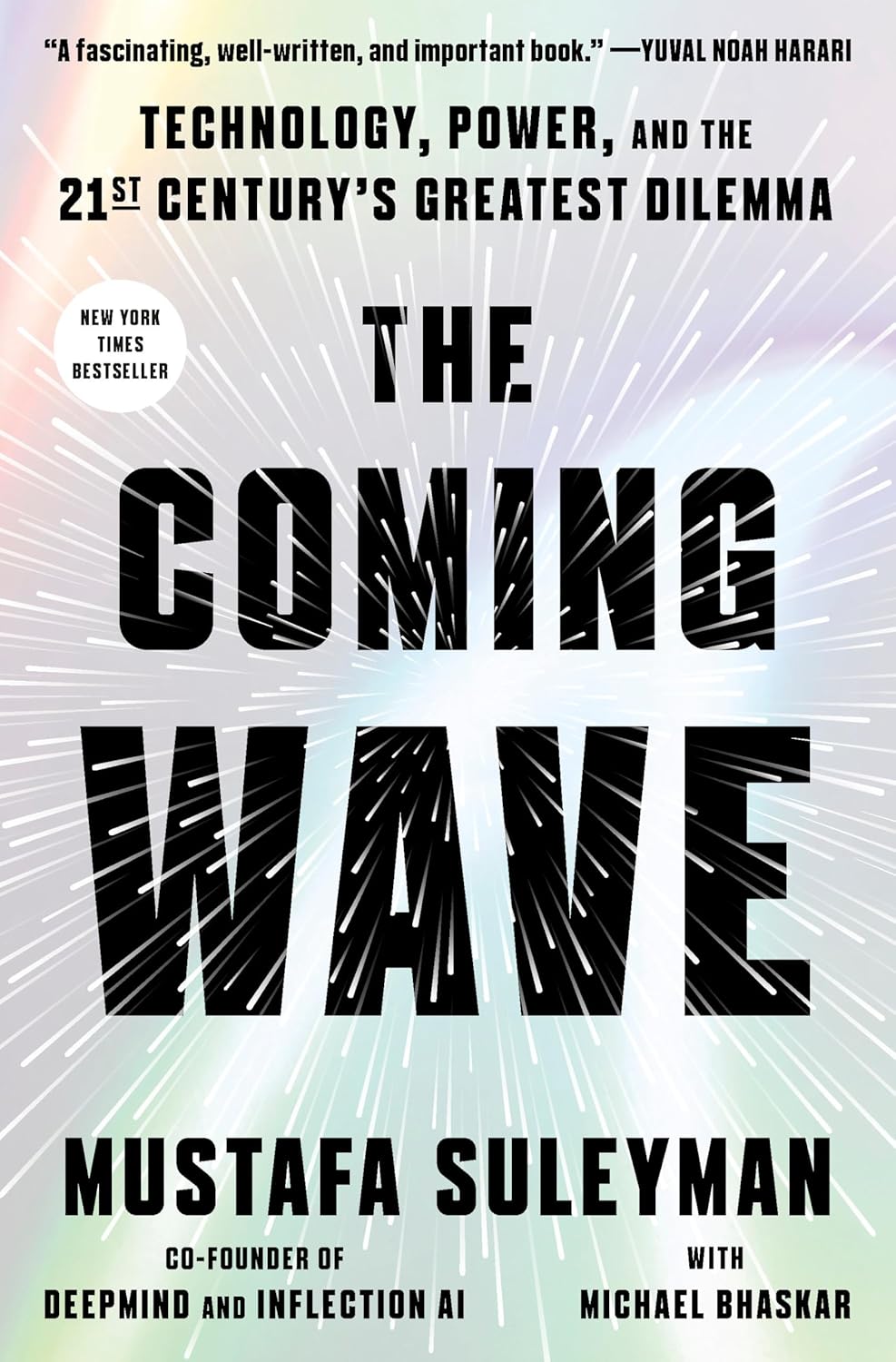
DeepMind co-founder on the dilemma of containing technologies that do not want to be contained.
As an Amazon Associate, Zendoric earns from qualifying purchases; the price does not change for you. · all our recommended books →
We'll send you a confirmation email (double opt-in). Privacy.
Note: the source material here is thin — essentially a headline and a guide framing, with the substantive article text not available to us — so we'll be honest and keep this tight rather than invent detail. What we can responsibly say: CNET reports that Meta has released a new AI image tool capable of producing deepfakes, and pairs the news with practical steps for users to protect themselves on Instagram. We won't attribute specific capabilities or harms the source didn't lay out.
Even at that altitude, the framing is telling and worth commenting on. When a platform ships a synthetic-media generator and the accompanying journalism is a self-defense manual, that pairing itself is the story. It signals that the capability is arriving faster than the guardrails, and that the practical burden of managing the risk is being pushed onto individuals — change your settings, watch what you post — rather than absorbed by the company deploying the technology.
Our reading: this is the short-term, corrosive edge of generative AI that we consistently refuse to wave away. The near-term danger from image and video synthesis isn't some distant superintelligence; it's the mundane industrialization of impersonation, fraud, and non-consensual imagery at consumer scale, embedded in the apps billions already use. The optimistic long arc — creative tools that democratize expression — is real, but it doesn't excuse shipping capability ahead of provenance, consent, and detection infrastructure. The right response is structural: robust content authentication, default protections rather than opt-in ones, and platform accountability — not a culture where the answer to "they built a deepfake machine" is a listicle on how to defend yourself from it. Useful advice for today; inadequate as a governance model for tomorrow.
📚 Go deeper
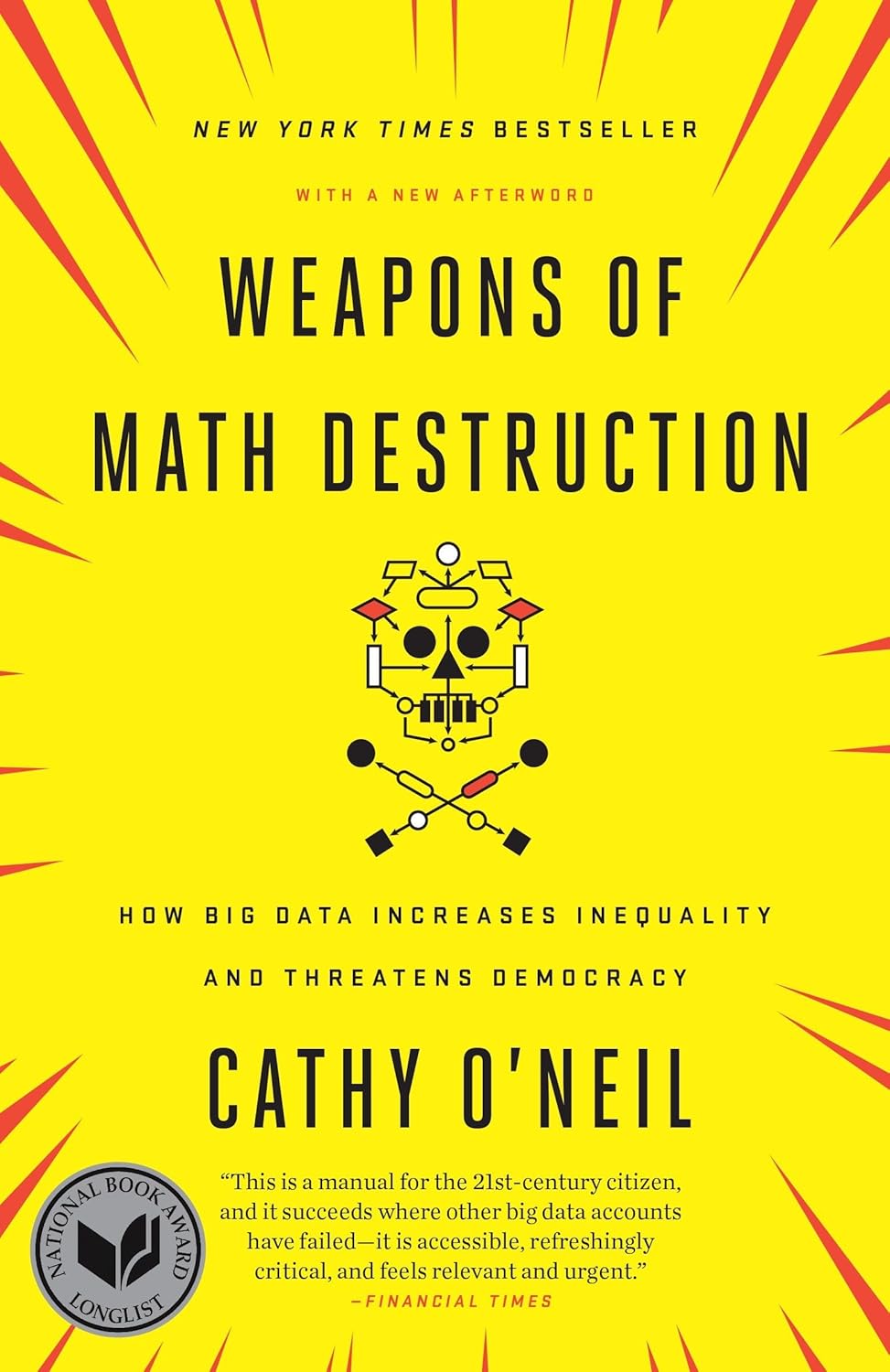
How opaque algorithms decide who gets credit, a job or parole — and why they tend to punish the same people.
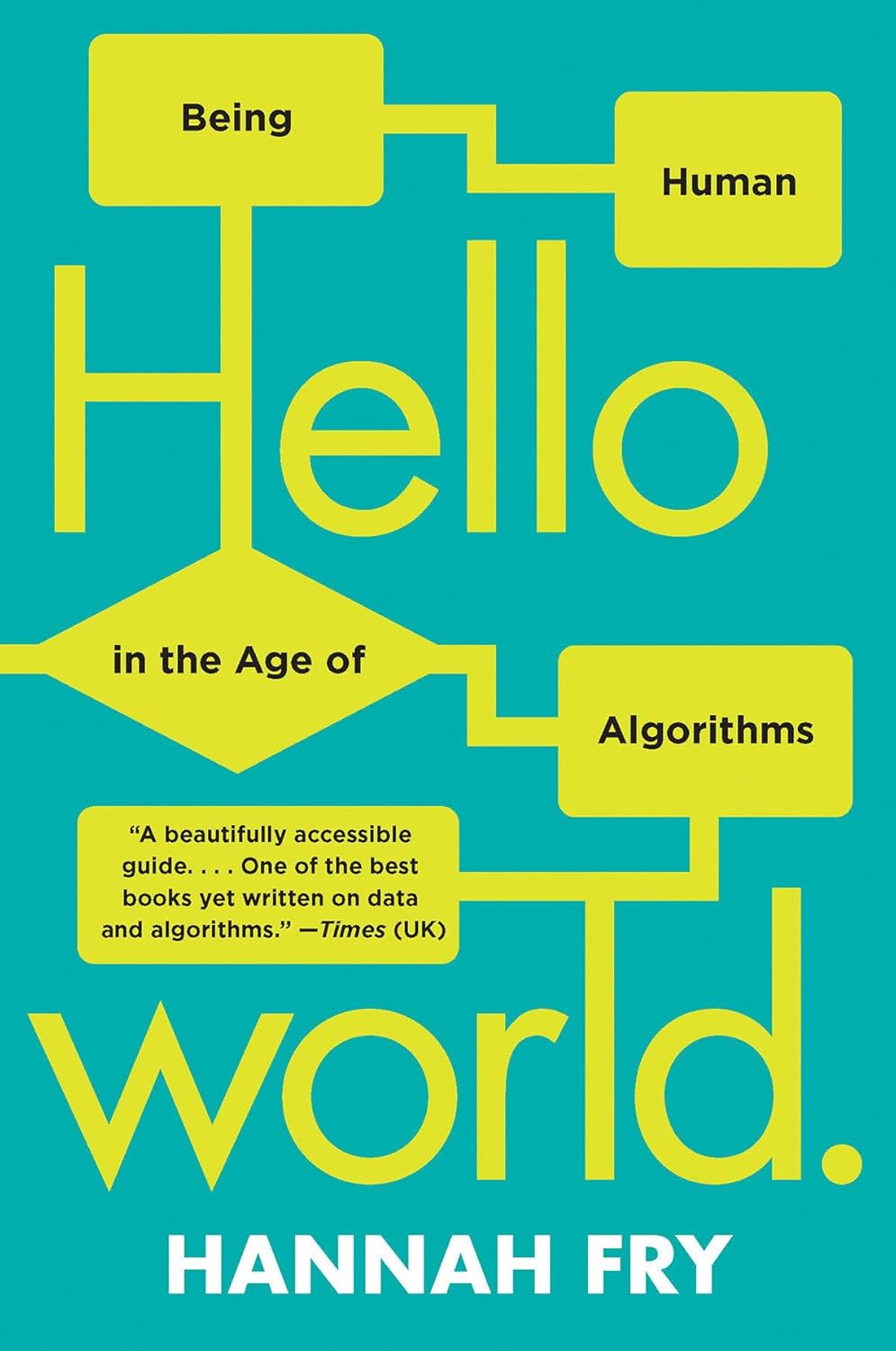
Algorithms in justice, medicine, cars and art, explained with British humor and mathematical honesty.
As an Amazon Associate, Zendoric earns from qualifying purchases; the price does not change for you. · all our recommended books →
🔗 Related on Zendoric
- Meta Hands Everyone a Deepfake Button — and the Burden of Proof Shifts to You · 2026-07-10
- Claude Sonnet 5: Anthropic brings agentic AI to the everyday user, with all the implications that entails · 2026-07-01
- When Deepfakes Go Political: Trump's AI 'Doctor' Video and the Normalization of Synthetic Propaganda · 2026-07-02
Sources & references
Get the analysis by email · free
One email a day analysing the AI essentials. Free, no spam, unsubscribe anytime.
We'll send you a confirmation email (double opt-in). Privacy.