The Junior Programmer Vanishes: AI Is Eating the Bottom Rung of the Software Ladder

🕒 Published on Zendoric: July 11, 2026 · 00:27
✨ AI-generated · how it's made
Spain's newest computer-science graduates entered university when ChatGPT was a novelty and leave it competing against models that code faster than they do. The junior developer role is thinning out — and that raises an uncomfortable question the whole industry keeps dodging: where do tomorrow's seniors come from?
📚 Go deeper
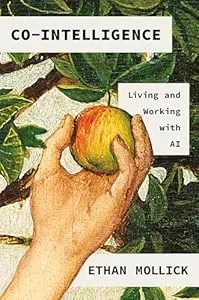
The best starting book if you're not technical: a Wharton professor explains how to work WITH AI — when to delegate, when to supervise, when to keep i
As an Amazon Associate, Zendoric earns from qualifying purchases; the price does not change for you. · all our recommended books →
The facts are concrete and hard to spin. Recent graduates who began their degrees when ChatGPT didn't exist — when "Claude" still meant the painter Monet — now find that AI tools are the main obstacle between them and a first job. Jesús Pérez, 25, spent a year and a half hitting the "experience required" wall before landing tech-support work at around €1,200 a month, still dreaming of the software-engineering track. ESADE's Esteve Almirall puts it bluntly: "the junior programmer is disappearing," because today's models "program better than almost any human" at the mechanical tasks that once justified an army of entry-level coders. Entry of juniors into the market, he says, has already narrowed significantly.
This is our long-standing thesis on employment playing out in real time, and precisely in the sector we flagged as most exposed at the routine end: it isn't "AI takes your job," it's "AI changes which work has value." The task that has collapsed is rote code generation — the boilerplate, the preliminary compilations, the mechanical scaffolding. What survives, and grows more valuable, is architecture, judgment, security governance, and the integration of AI into real systems. The trouble is that those senior capabilities were historically forged by doing exactly the junior work that is now being automated away.
That is the genuinely serious problem, and we won't sugarcoat it. The industry has quietly outsourced its own apprenticeship pipeline to a technology that removes the first rungs of the ladder while leaving the top rungs intact. "Where will the future seniors come from?" is not a rhetorical flourish; it's a structural gap. If firms stop hiring juniors because a model does the grunt work in hours, they are optimizing this year's cost line at the expense of their own talent base five years out. The bill for that shortsightedness arrives later, but it arrives.
There's also a distributional sting here worth naming. A generation was told computer science was the guaranteed ticket, took on the effort in good faith, and graduated into a market that moved the goalposts mid-degree. That is a real cost borne by real people, and honesty about the transition means acknowledging it rather than reciting the abundance narrative at them.
Our reading: the short term is a painful squeeze, and it demands a deliberate response rather than passive drift. The winners in this cycle won't be graduates who can merely write code — the model does that — but those who learn to orchestrate AI, review its output critically, and own the parts machines still can't: system design, trade-offs, trust, and accountability. Education and employers need to redefine "junior" as an AI-augmented apprentice from day one, not a code-typing commodity, and to treat early-career hiring as an investment in future seniority rather than a cost to cut. The longer arc still points toward abundance — software that once needed a team now needs a person plus a model, which means more gets built, more problems get solved. But abundance for whom, and who gets to climb the ladder, are political and organizational choices, not automatic outcomes. Get the apprenticeship model right and this is a productivity leap; get it wrong and we hollow out the profession from the bottom up and wonder, a decade from now, why there's no one left who understands the systems the machines are writing.
📚 Go deeper
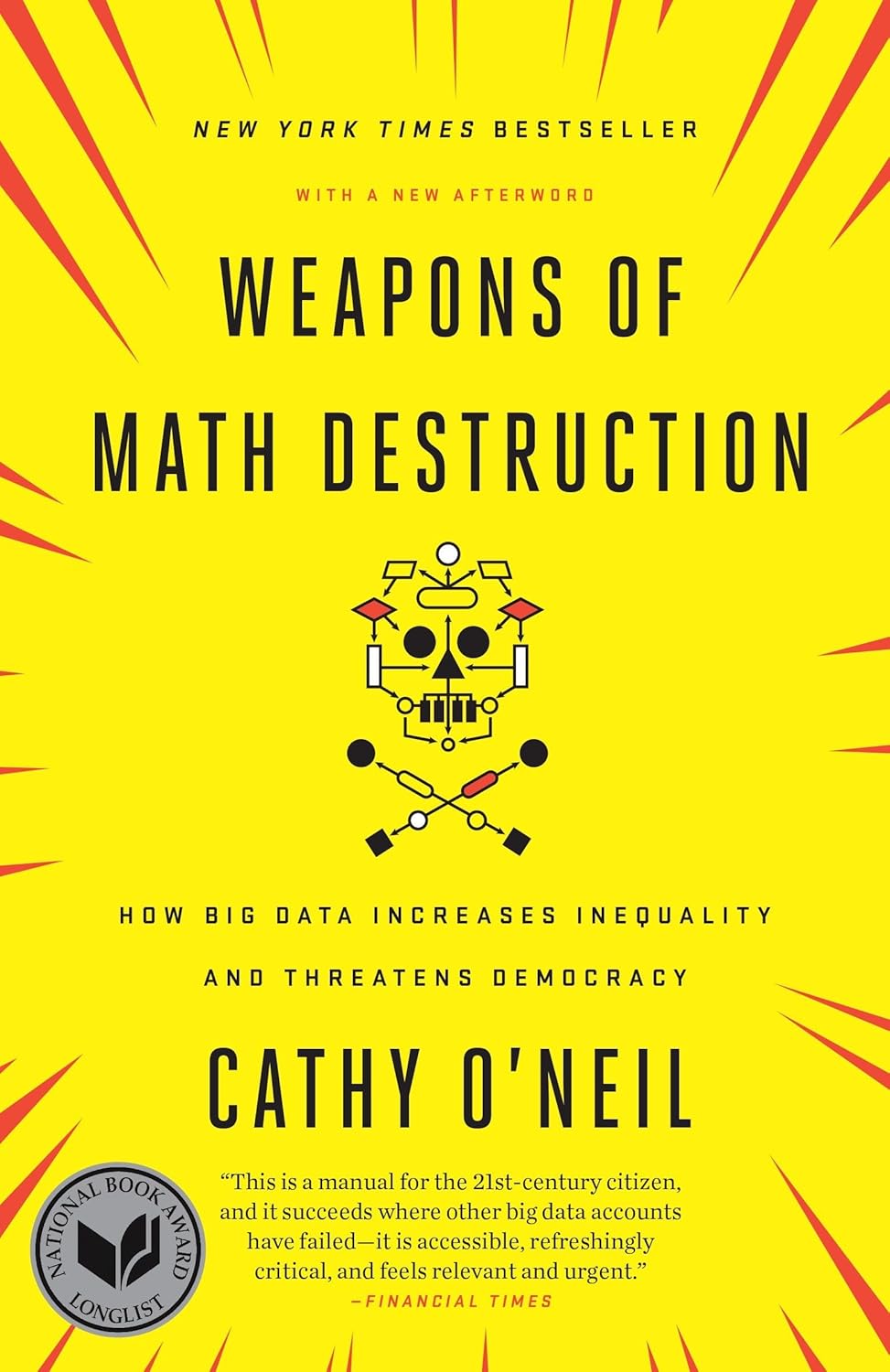
How opaque algorithms decide who gets credit, a job or parole — and why they tend to punish the same people.

The reference manual for building products on top of AI models: prompts, RAG, fine-tuning, agents, evaluation and deployment.
As an Amazon Associate, Zendoric earns from qualifying purchases; the price does not change for you. · all our recommended books →
🔗 Related on Zendoric
- The Junior Coder Squeeze: If We Stop Hiring Beginners, Where Do Seniors Come From? · 2026-07-10
- The deal Anthropic is negotiating with Washington reopens an uncomfortable question: how do you control the export of something that travels in a file · 2026-06-27
- Containing the agent: why governance of autonomous AI should live on your own computer · 2026-07-11