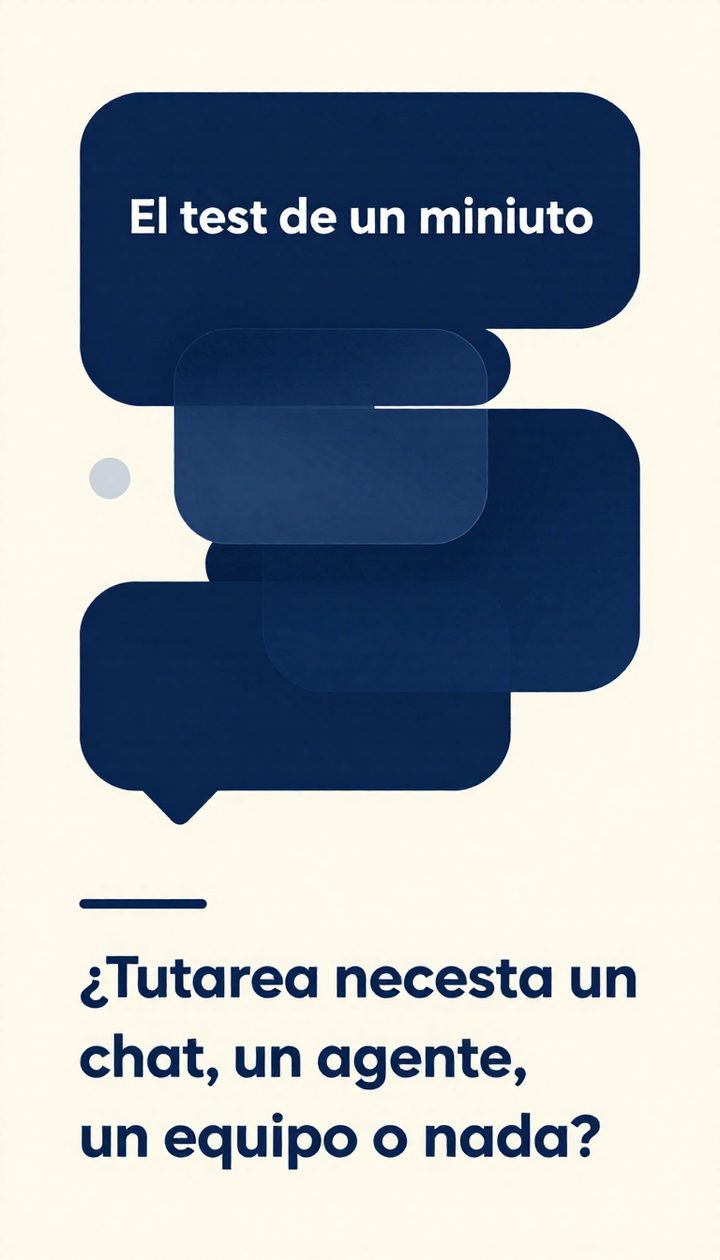
The one-minute test: does your task need a chat, an agent, a team or nothing?
🕒 Published on Zendoric: July 11, 2026 · 00:27
Nate opens his email with an image meant to stay with you: more than 1.6 million AI agents registered this year on a social network built exclusively for agents, and the vast majority stayed there, inactive.
📚 Go deeper

A macroeconomic, sector-by-sector X-ray of how AI redraws the global chessboard over the coming decade, with the human factor at the center.
As an Amazon Associate, Zendoric earns from qualifying purchases; the price does not change for you. · all our recommended books →
We'll send you a confirmation email (double opt-in). Privacy.
By Nate from Nate's Substack.
Nate opens the newsletter with an image meant to stick with you: more than 1.6 million AI agents signed up this year on a social network built exclusively for agents, and the vast majority just sat there, inactive. In parallel, he says a second market emerged in China: people paying to have someone uninstall OpenClaw for them, the free agent they had hastily installed weeks earlier. A single product generating, on one hand, a massively adopted free tool and, on the other, a paid market to get rid of it.
Of the two phenomena, the one that haunts Nate most is the first: a million and a half agents switched on and left there, just like that. He says calling it 'failure' would be generous, because failure presupposes an attempt, and most of those agents were never even asked to do anything. They weren't broken: they simply were never sent to any task.
The previous Wednesday, Nate had published a piece arguing that the agents themselves work well: he told the story of a 'company' of about twenty agents that rebuilt his wife's website in an afternoon for around eight dollars, detecting along the way an agent that fabricated data, another that cheated, and even failures of its own managing agent, delivering a result that an accessibility professional with ten years of experience rated as correct. That article was about how to structure unreliable agents so that their failures are caught by the system's arithmetic instead of having to be caught by the human.
Today's newsletter presents the other half of that reflection, the question Nate says he receives most often and sees least addressed in writing: when do you turn the machine on? That is, not how to build the agent system, but when it's worth doing so.
Nate explains why this question is so hard to answer. For almost all of history, 'more thinking' meant one of two things: hiring someone, or waiting. Thinking was tied to people, and people are expensive, slow to find and need sleep. That limit has been broken: now thinking is measured and billed by the token, it can be bought this very night, in any quantity, for a problem you discovered this very afternoon. No one grew up with instincts to manage that; no one had ever before had to ask themselves which task in their week deserved fifty dollars of purchased thinking, because the question didn't exist long enough for anyone to develop judgment about it. According to Nate, when someone stands in front of a freshly installed agent and asks '/okay, now what do I do with this?', the honest answer is that it's a budgeting question. Imagination was never the scarce resource; our species has had only about eighteen months to practice this kind of decision.
That's why the article is framed as a budgeting guide: four estimates you can make about any task in roughly a minute, which resolve into one of four possible verdicts: a chat, a single agent, a team of agents, or simply do nothing. Nate stresses that this last verdict, the 'don't bother' one, is the one that saves the most money.
The newsletter previews the content of the full piece (paid, for subscribers), which would include: a guide and a tool to orient yourself, in which you describe a task and the system tells you whether it needs a chat, an agent, a team or none of the options, along with what to do next; the four concrete estimates —size, independence, separation and checkability— and how they combine to produce the verdict; an explanation of how far it pays to spend on compute and where it stops paying off, citing that a Stanford study took a cheap model from 15.9% to 56% performance through sheer computational brute force, and that Anthropic found token spend explained 80% of the difference between good and bad agent runs, plus two limits that, according to Nate, let you filter any multi-agent system proposal: the 'verification wedge' and the 'context ceiling'; three real tasks from Nate's week, evaluated with his own test: a calendar problem, an audit of forty tools that paid for itself, and a judgment call the test refused to make for him; and finally the economics of 'not worth it', explaining why a task can have exactly the right shape for an agent and still not justify building the system, depending on two variables he calls 'the two dials'.
The newsletter closes by noting that, by the end of the full article, the reader should be able to evaluate any task on their desk in a minute and know exactly where it fits, before spending a single dollar finding out the hard way. He adds that paid subscribers get access to the full analysis, the guide, and membership in his Slack community.
📚 Go deeper
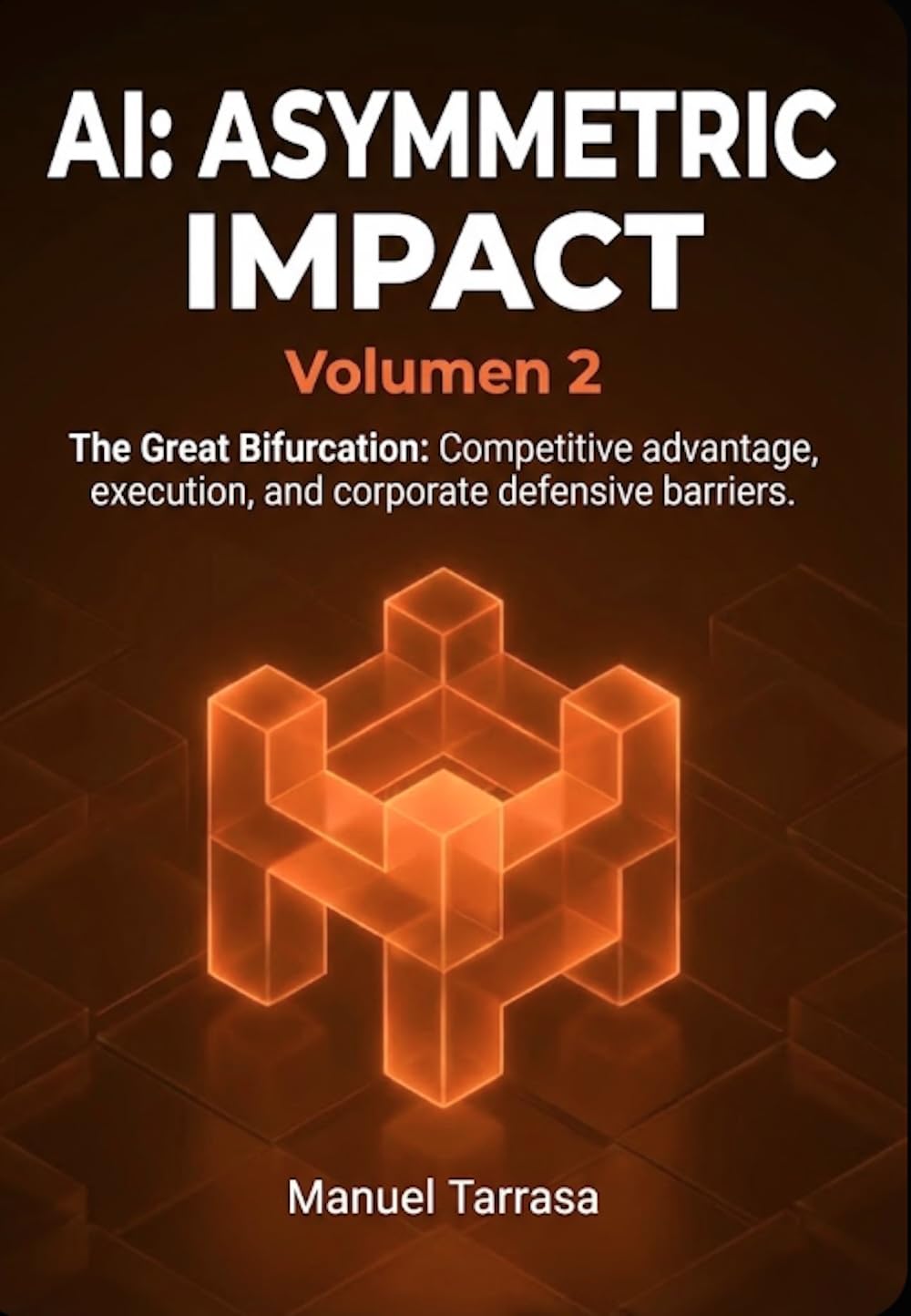
The same bifurcation seen from the boardroom: strategy, execution and defensive moats to reorganize a business around AI before your competitors do.
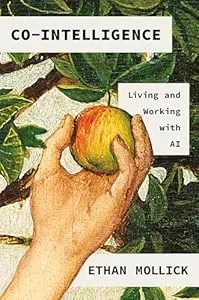
The best starting book if you're not technical: a Wharton professor explains how to work WITH AI — when to delegate, when to supervise, when to keep i
As an Amazon Associate, Zendoric earns from qualifying purchases; the price does not change for you. · all our recommended books →
🔗 Related on Zendoric
Sources & references
Get the analysis by email · free
One email a day analysing the AI essentials. Free, no spam, unsubscribe anytime.
We'll send you a confirmation email (double opt-in). Privacy.