AI scams empty seniors' accounts: the real defense starts with the legal, not just the algorithm

🕒 Published on Zendoric: July 11, 2026 · 00:27
A 78-year-old woman in Massachusetts saw her account drained to zero by a scam her bank was slow to acknowledge. With senior fraud losses up 59% in a year, Springfield lawyers recommend safeguarding finances with powers of attorney before the crisis hits, not after.
📚 Go deeper
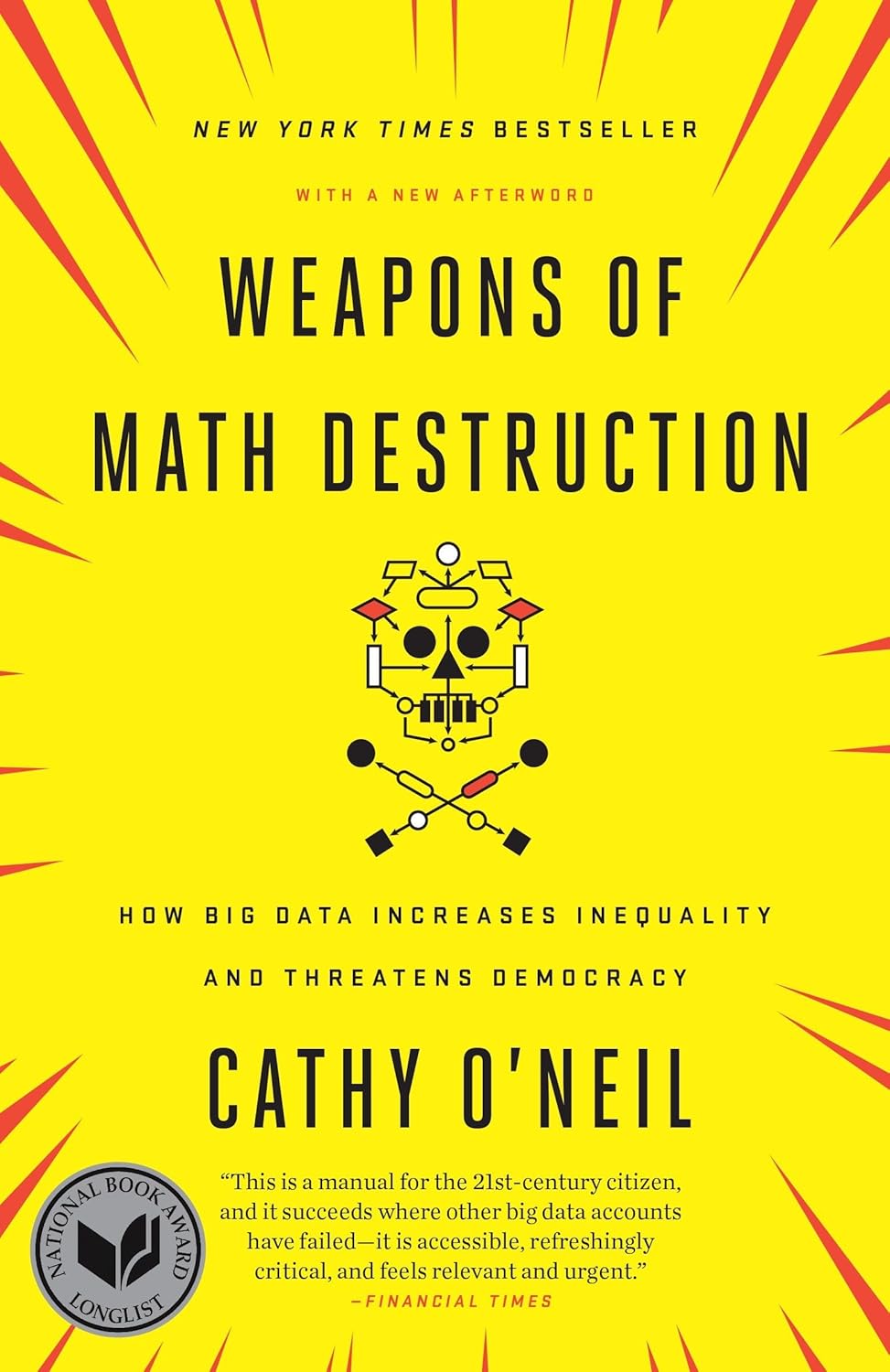
How opaque algorithms decide who gets credit, a job or parole — and why they tend to punish the same people.
As an Amazon Associate, Zendoric earns from qualifying purchases; the price does not change for you. · all our recommended books →
We'll send you a confirmation email (double opt-in). Privacy.
By MassLive · July 10, 2026.
Debbie Eger, 78, logged into her online banking in East Longmeadow (Massachusetts) and found the balance at zero. When she called the bank, the initial response was that the problem was hers; only when she showed up in person was she attended to, the compromised account closed, and her money returned. The trail led to a fraudulent transaction that a scammer used to buy himself a car. According to the 2025 report by the FBI's Internet Crime Complaint Center, people over 60 filed more than 200,000 complaints of this type last year, with $7.7 billion in losses —more than double the 40-to-49 age group—, and both complaints (+37%) and losses (+59%) grew sharply compared to 2024.
The report includes the testimony of Springfield estate-planning attorneys Karolina Weagle and Stephen Sobey, who advise their older clients to grant powers of attorney or set up trusts that allow a trusted relative to monitor accounts and cards, and act quickly if something goes wrong. They explicitly warn against the homemade solution of sharing username and password with a child or nephew: besides violating almost any bank's terms of service, it leaves confusing traces about who did what. Their underlying recommendation is to do this paperwork calmly, at a stable moment, not in the middle of a fraud crisis, when the process may also not be resolved overnight. In parallel, Emily Constantino, director of the East Longmeadow Council on Aging, describes fraudulent letters so well made that her own staff took several attempts to identify them as fake, and she recalls that a good part of her users still depend on the landline, where practically any call today is a scam attempt. According to the source, one of the most widespread frauds impersonates Social Security, a warning she attributes to officials at Greater Springfield Senior Services.
This is exactly the pattern we already noted when analyzing how agentic AI is industrializing fraud: the immediate risk is not a hypothetical superintelligence out of control, but the brutal drop in the cost of producing credible deceptions at scale —letters, emails, cloned voices— deployed against the population least prepared to detect them and least able to recover from a loss. Older people have been the preferred target of financial fraud for decades; what changes with generative AI is the quality of the forgery and the volume at which it can be launched, not the nature of the deception. It is a clear example of our underlying thesis: the short term of this transition brings real and unequal harm, and minimizing it would be as irresponsible as catastrophism.
Our reading is that the response documented in the article —legal paperwork, family support networks, senior offices that verify letters by hand— is necessary but manifestly insufficient at the scale of the problem: it does not scale at the pace at which fraud generation does scale. The missing piece, and one that will predictably grow in the coming years, is automated detection on the defensive side: Eger's own case shows a bank capable of tracing an anomalous transaction and reversing it, precisely the kind of real-time algorithmic surveillance of spending patterns that banking is already deploying and that, well tuned, can become the first line of defense before the family or the attorney get to intervene. Therein lies the productive paradox of this phase: the same technology that cheapens the scam also cheapens, for whoever deploys it with the right data and incentives —banks, insurers, public agencies—, the detection of the anomaly that gives it away. Whoever wins this race is not whoever has the smartest model, but whoever applies it first to protect the most vulnerable user; meanwhile, common-sense measures such as the power of attorney remain, rightly, the first trench.
As sector context, it is worth keeping in mind that the most-cited solution in the article is not technological but legal and familial: transparency about where the money is, prior authorization to a trusted third party, and periodic review of those documents. It is a useful reminder that no wave of innovation, however promising in the long term, replaces the legal and social plumbing that protects those who cannot keep up with the pace on their own.
📚 Go deeper
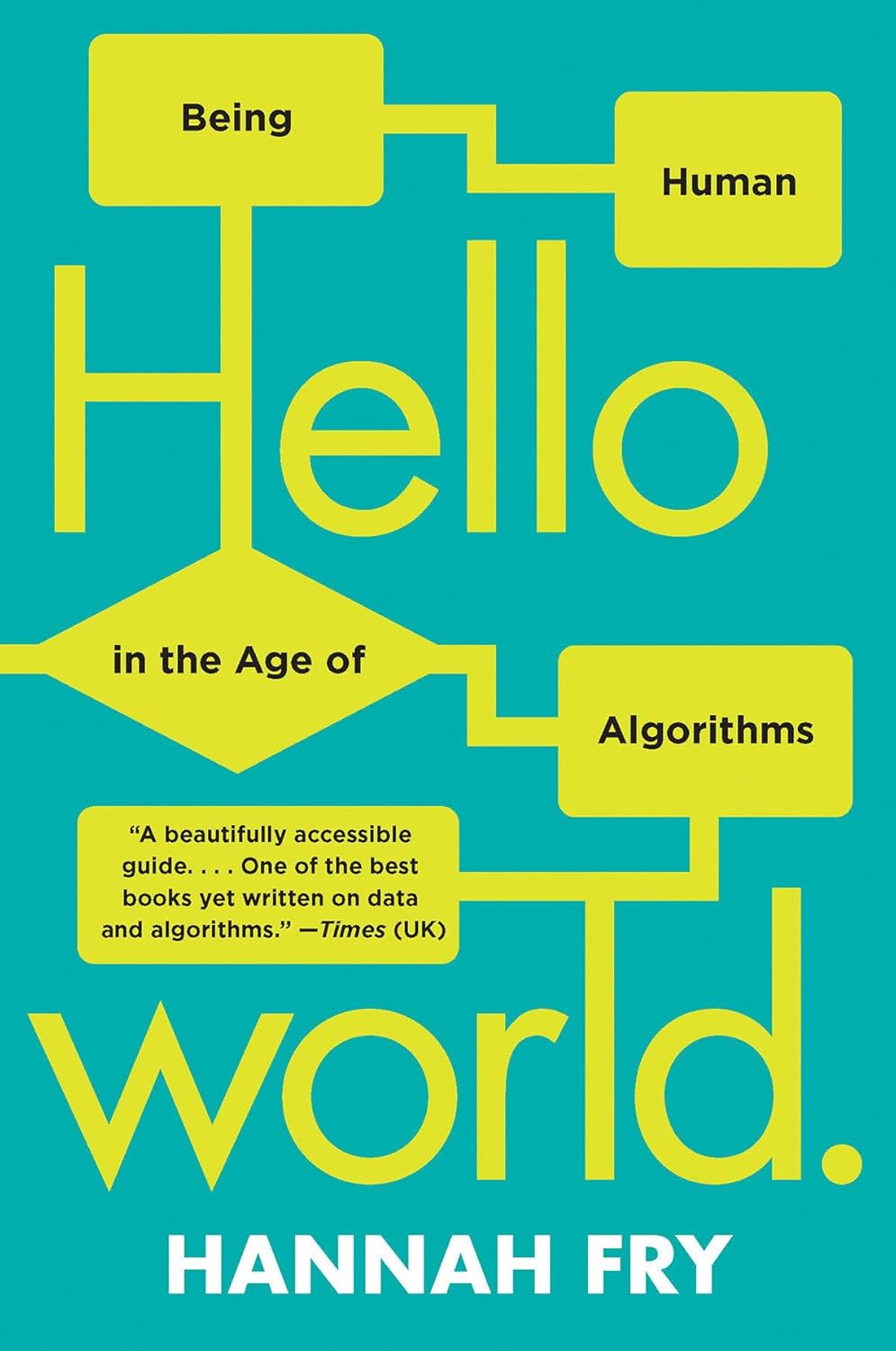
Algorithms in justice, medicine, cars and art, explained with British humor and mathematical honesty.

The only novel on the list, by a Nobel laureate: an artificial friend observes humans with a blend of lucidity and innocence no essay achieves.
As an Amazon Associate, Zendoric earns from qualifying purchases; the price does not change for you. · all our recommended books →
🔗 Related on Zendoric
Sources & references
Get the analysis by email · free
One email a day analysing the AI essentials. Free, no spam, unsubscribe anytime.
We'll send you a confirmation email (double opt-in). Privacy.