Musk admits he was wrong about Anthropic: what his reversal reveals about the power of compute

🕒 Published on Zendoric: July 11, 2026 · 00:27
✨ AI-generated · how it's made
Elon Musk went from declaring that Anthropic had no chance of winning to acknowledging on X that it is 'obviously' the current AI leader. The reversal comes just as SpaceXAI, his merged giant, is a compute provider to the rival he once dismissed.
📚 Go deeper
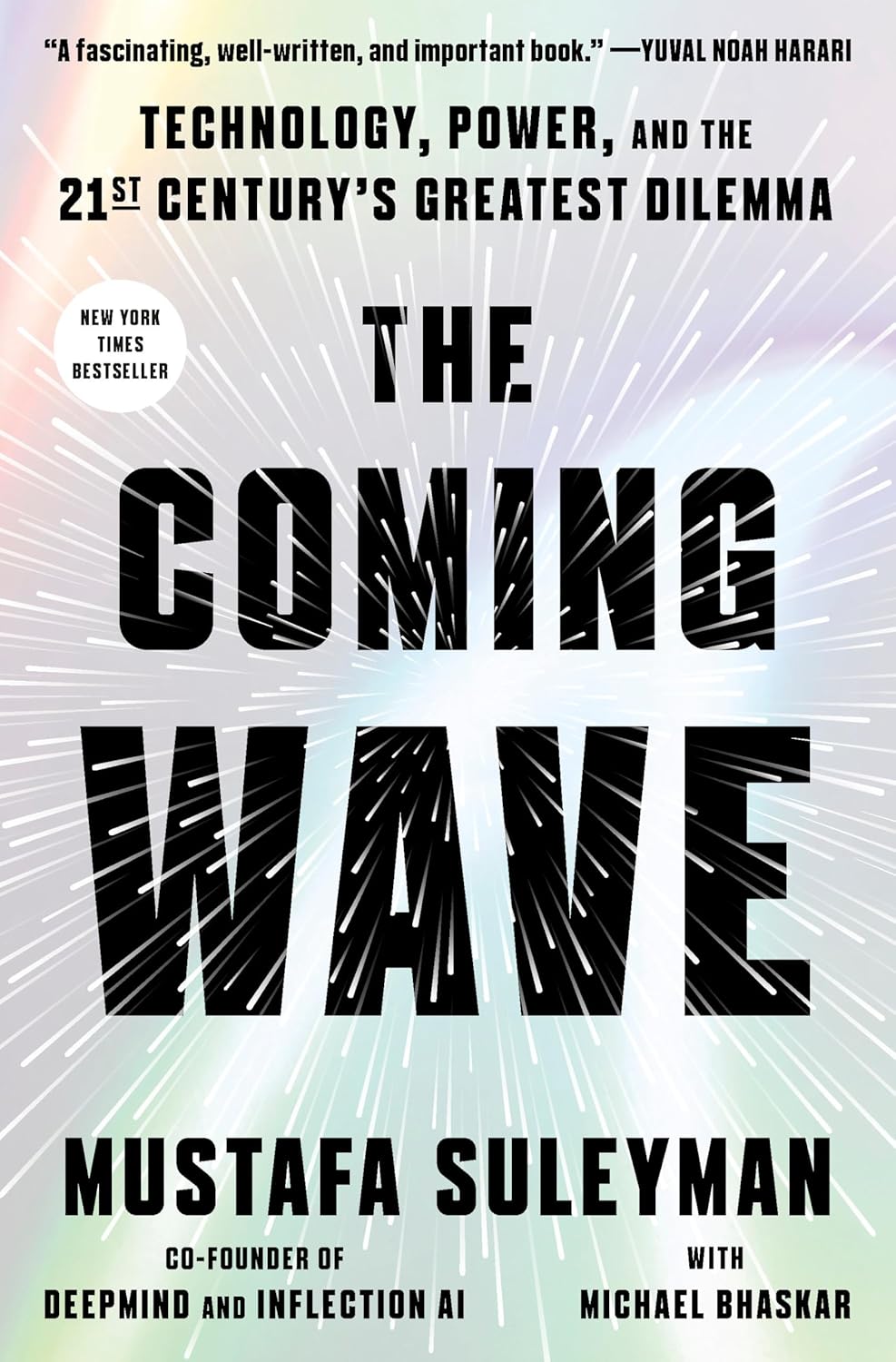
DeepMind co-founder on the dilemma of containing technologies that do not want to be contained.
As an Amazon Associate, Zendoric earns from qualifying purchases; the price does not change for you. · all our recommended books →
By Teslarati · July 10, 2026.
In September, Elon Musk wrote that "winning was never in the set of possible outcomes for Anthropic". On July 9, on his own platform X, he retracted without qualification: "I was clearly wrong about Anthropic. They are obviously the current leader in AI. No company has released a model as good as Mythos/Fable, and they will no doubt have Mythos 2 ready soon". He added an explicit promise: "I would never cut them off in a way that seriously harmed them, even as a competitor. That's not my style".
The relevant fact is not just Musk's opinion on the quality of the models —something that, from what we have seen in our own indices, is not far-fetched—, but the context of dependence in which it occurs. Since May, Anthropic has been operating under a short-term GPU lease agreement with SpaceXAI, the entity resulting from the merger of SpaceX and xAI (completed in February, formalized under a single brand in July, with SpaceX valued at $1 trillion and xAI at $250 billion). In other words: the very Musk who competes head-on for AI leadership is, at the same time, the provider of the critical infrastructure that allows Anthropic to train and serve its models. His post responds, quite literally, to speculation that he could use that leverage to strangle a rival.
Musk backs his commitment by citing his own precedents: Tesla opened up its electric-vehicle patents in 2014, opened its Supercharger network to competing brands, and SpaceX launches satellites for rival commercial systems "without raising the price or imposing unfair terms". These are real and verifiable examples from his business track record, though they should not be confused with pure altruism: in each case, sharing infrastructure also served Musk to expand the market in which his own companies competed (more EVs sold benefits the Supercharger network, more launches consolidate SpaceX as the dominant operator). That he now applies the same logic to AI compute is consistent with his history, but it is also, quite simply, the rational calculation of someone who does not want to be the actor that triggers a regulatory or reputational crisis by strangling a competitor while depending on selling it capacity.
Our reading is that this episode is a symptom, not an anecdote. The frontier AI field has reorganized in 2026 around a bottleneck that is no longer talent nor even model design, but compute: who has it, who leases it, and on what terms. That Anthropic —today, according to Musk and according to our own measurements, the technical leader— depends on a short-term lease with the infrastructure of a direct rival is a structural fragility, not a contractual detail. It fits with something we have already been pointing out: Anthropic is actively seeking to diversify its compute precisely so as not to be at the mercy of others' decisions, whether Nvidia's, Google's or, as in this case, a competitor's who controls the switches. Compute availability has become the industry's new production-risk vector, as much as model quality.
There is also a reading about concentrated power that should not be lost sight of: SpaceXAI is already, after the merger, an entity that combines rockets, satellite internet, AI, a social network, and supercomputing under a single balance sheet, with ambitions for orbital data centers to sidestep terrestrial energy constraints. That this same conglomerate is a provider to a rival in frontier AI is not a one-off oddity, but the reflection of a sector where fewer and fewer players simultaneously control several layers of the stack (energy, silicon, networks, models) and where competition and cooperation coexist uncomfortably because, in practice, there are not that many infrastructure alternatives at hand.
That said, there is a more encouraging underlying reading that we should not dismiss out of excessive skepticism: if the rivalry between AI giants is settled by competing to release better models —Mythos 2 versus whatever SpaceXAI is preparing— instead of choking the rival via the compute route, the playing field remains the one that interests us most: real, measurable capability, moving forward. It is exactly the kind of competition that, sustained over time, brings closer the abundance of compute and intelligence that makes plausible the horizon of eradicating diseases and freeing human work from the routine. The risk, meanwhile, is that this promise of "not cutting off the supply" is a public commitment without hard contractual guarantees, and that the next renewal of the agreement —or the next real competitive tension— will reveal whether Musk's word weighs as much as his market share in compute.
📚 Go deeper
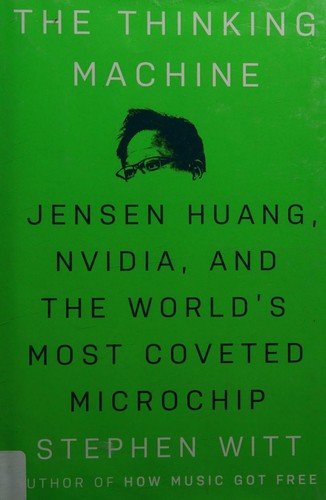
The story of NVIDIA and Jensen Huang: how a video-game card company ended up making the most coveted resource on the planet.
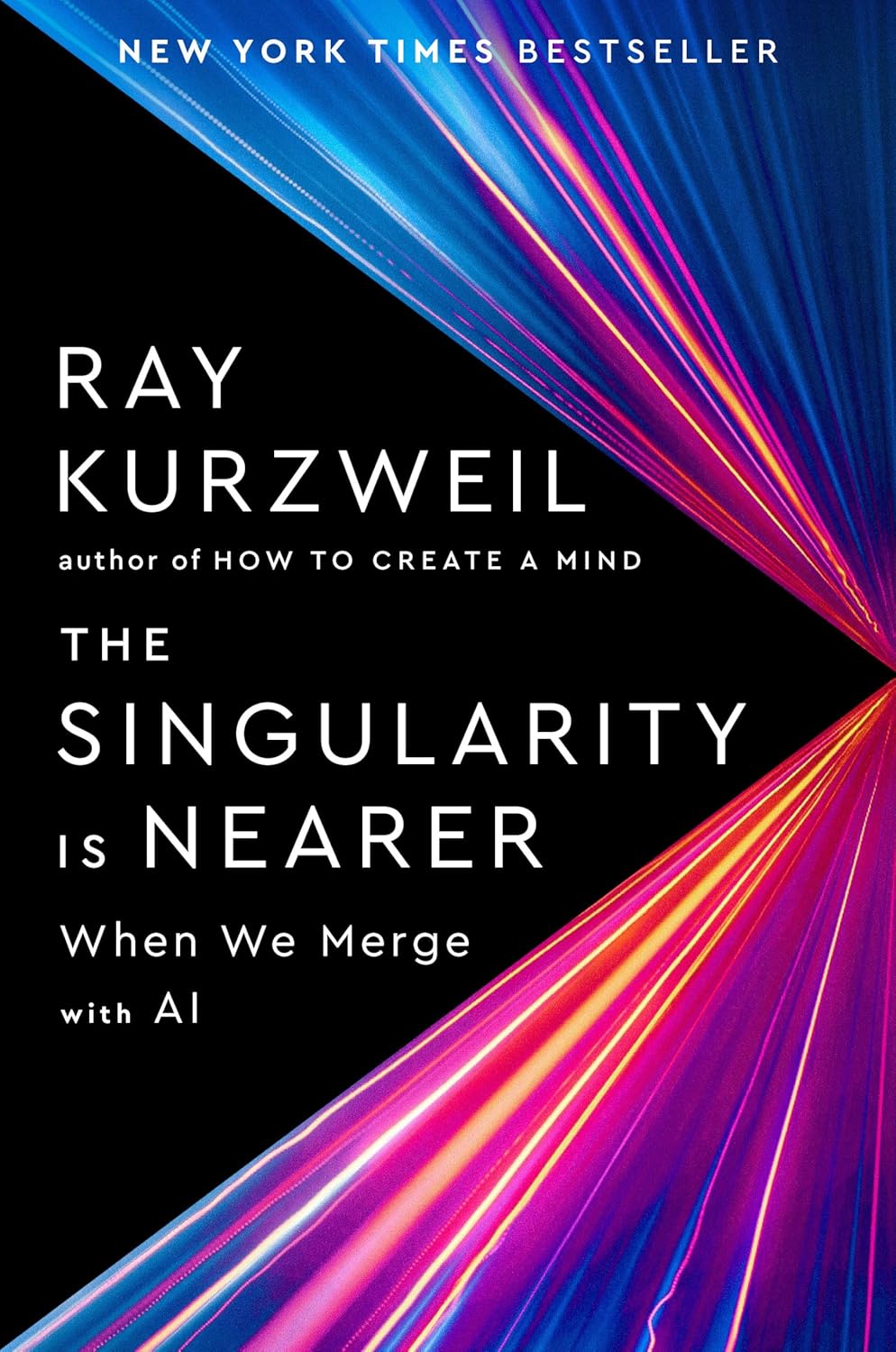
Twenty years after "The Singularity Is Near", Kurzweil revisits his predictions and keeps the date: human-AI merger around 2045.
As an Amazon Associate, Zendoric earns from qualifying purchases; the price does not change for you. · all our recommended books →
🔗 Related on Zendoric
- Musk concedes Anthropic leads AI: a rare public reversal that says what the benchmarks already showed · 2026-07-10
- Anthropic nears $1.2 trillion: markets no longer debate whether AI wins, but how much winning is worth · 2026-07-16
- Washington Reverses Course on Anthropic Export Curbs — And the Real Question Isn't Who Won · 2026-07-01