Economic anxiety, AI-hunted deals and kids in charge of the cart: this is back-to-school 2026
🕒 Published on Zendoric: July 10, 2026 · 00:24
✨ AI-generated · how it's made
Two back-to-school surveys tell different stories —a real cutback in Deloitte's, optimism in PwC's— but they agree on something genuinely new: AI is now part of the family purchasing process and children decide more than ever what goes in the cart. The detail that says the most about the future isn't how much is spent, but who decides to spend it and with what help.
📚 Go deeper

AI as the latest chapter in the history of information networks, from gossip to the printing press to the algorithm.
As an Amazon Associate, Zendoric earns from qualifying purchases; the price does not change for you. · all our recommended books →
By Retail TouchPoints · July 9, 2026.
Two consulting firms, two different snapshots of the same season. Deloitte, which specifically surveyed parents of K-12 students, estimates spending of $557 per student: essentially flat in nominal terms, but 6% lower in real terms, with 57% of parents expecting the economy to worsen over the next six months, the highest figure since 2020. PwC, which surveyed a broader universe of adults and measures per household, finds the opposite: average spending of $922 and 47% of families saying they will spend more than last year, up from 35% the previous year. The discrepancy is largely explained by methodology —per student versus per household— but it also portrays two distinct economic Americas: low- and middle-income families raising spending by 10-12% because prices force them to, and high-income households cutting it by up to 20% out of sheer caution about what lies ahead.
The data point that truly connects both surveys, and the one that interests us, is another: AI is no longer a curiosity on the shopping list, it is household infrastructure. 73% of the families in PwC's study say they will use AI at some point in the process —to compare prices, search for products, balance the budget or hunt for deals— and 23% turn specifically to AI to find discounts, a channel that last year did not even appear as a relevant category. Deloitte provides the figure that best illustrates the mechanism: parents who use no digital research tool plan to spend $381 on average, versus the $737 of those who combine search engines, social media and generative AI. It is not that AI encourages spending more on a whim; it is that those who use it shop in a more informed way, find better price combinations and come out of the process with more confidence in their decision, which, paradoxically, translates into higher tickets because there is less fear of getting it wrong.
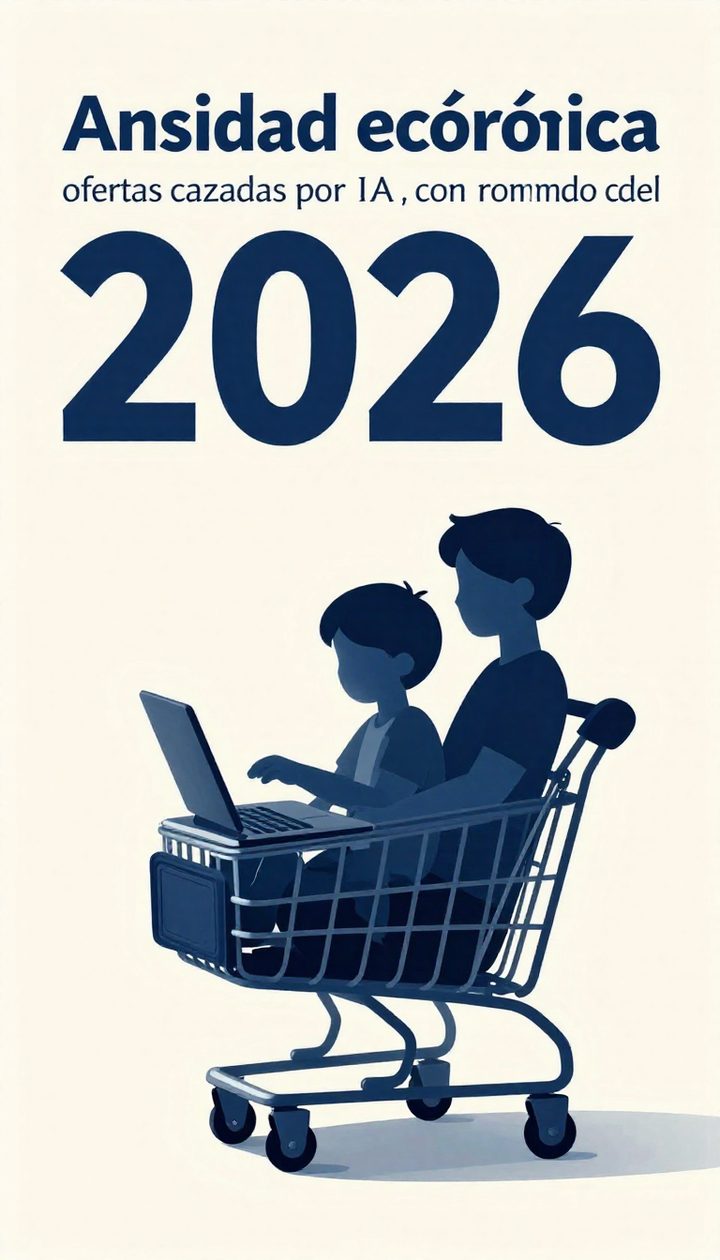
The other thread running through both surveys is the transfer of decision-making power to children. PwC finds that 61% of parents let their children —from preschool through high school— add items directly to the online cart, with their own account or a shared family one, and that the child's preferences are cited by 58% of parents as the factor that weighs most in the final purchase, ahead even of the supply lists handed out by the school. In high school, half of parents admit that their children directly influence which laptop or tablet is bought. In other words: the generation that today chooses which backpack goes into the cart is the same one that will grow up taking for granted that an AI assistant compares prices for them. The habit of delegating part of the purchasing judgment to an automated system from childhood is being normalized, without anyone announcing it as such.
The breakdown by category confirms that the adjustment, where there is one, is selective rather than indiscriminate. Clothing and footwear rise strongly in both surveys —22% in Deloitte, up to $323 per child; three out of four PwC families spend at least $100 in this area— even though it is the item that parents themselves say they would cut first if money gets tight. Technology, by contrast, is being postponed: Deloitte records a 16% drop in tech spending per student, a sign that many families are still stretching the laptop or tablet one more school year. PwC, with its broader universe, still sees $222 in average technology spending per household, which suggests that the pullback is more marked among families with tighter incomes than across the general population. And there is a figure that rarely makes back-to-school headlines: PwC estimates that, once the school year begins, families will spend another $635 a month on recurring costs —tutoring, field trips, lunch and snacks— a spending flow that extends well beyond the August peak.
Our reading is that this kind of survey, seemingly minor next to the big announcements from AI labs, is actually the best thermometer of where real technology adoption is headed: not in a headline about a model beating a benchmark, but in the moment a family on a tight budget opens an app to compare backpack prices and trusts that the assistant is really going to save them money. That is where the promise of AI as an engine of abundance is proven or disproven: not in distant superintelligence, but in whether it helps a middle-income family today stretch $557 in a year of economic anxiety unseen since 2020. The real decline in spending and the widespread pessimism are a reminder that the transition toward that abundance is neither automatic nor painless; the massive, silent adoption of AI as a household savings tool, and the ease with which the youngest already take it for granted, are the signal, still modest, of where the long-term horizon is pointing.
📚 Go deeper
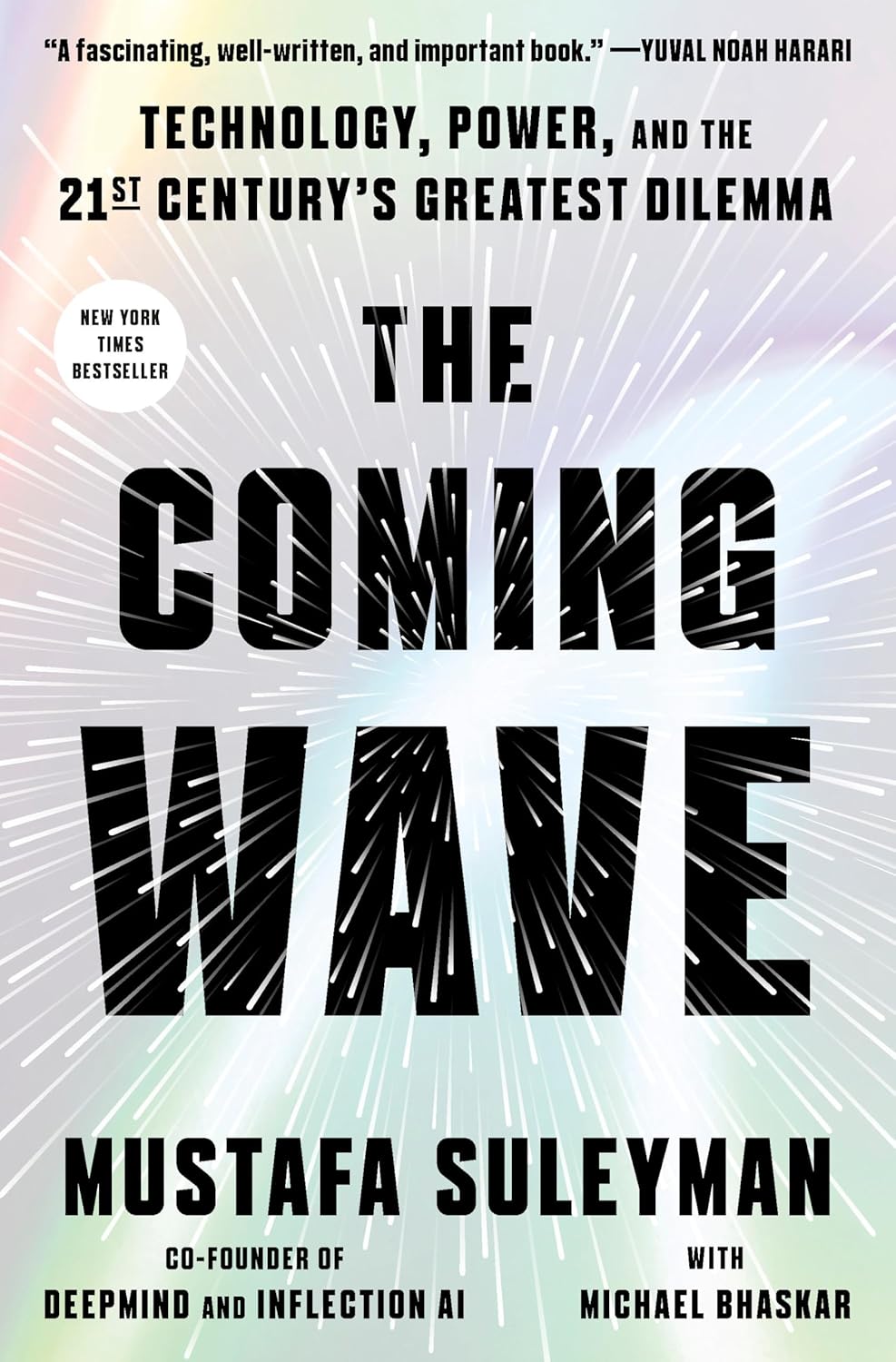
DeepMind co-founder on the dilemma of containing technologies that do not want to be contained.

The book that started the existential-risk debate and that half the industry still cites.
As an Amazon Associate, Zendoric earns from qualifying purchases; the price does not change for you. · all our recommended books →
🔗 Related on Zendoric