Alibaba under the shadow of AI agents: when the disruption you sell also destabilizes you

🕒 Published on Zendoric: July 10, 2026 · 00:24
An independent analyst downgrades Alibaba to 'sell' and points to AI agents as a new threat to its e-commerce business, just as growth is already slowing and CAPEX is soaring. The paradox: the Chinese giant driving agentic AI could also be its first visible corporate victim.
📚 Go deeper
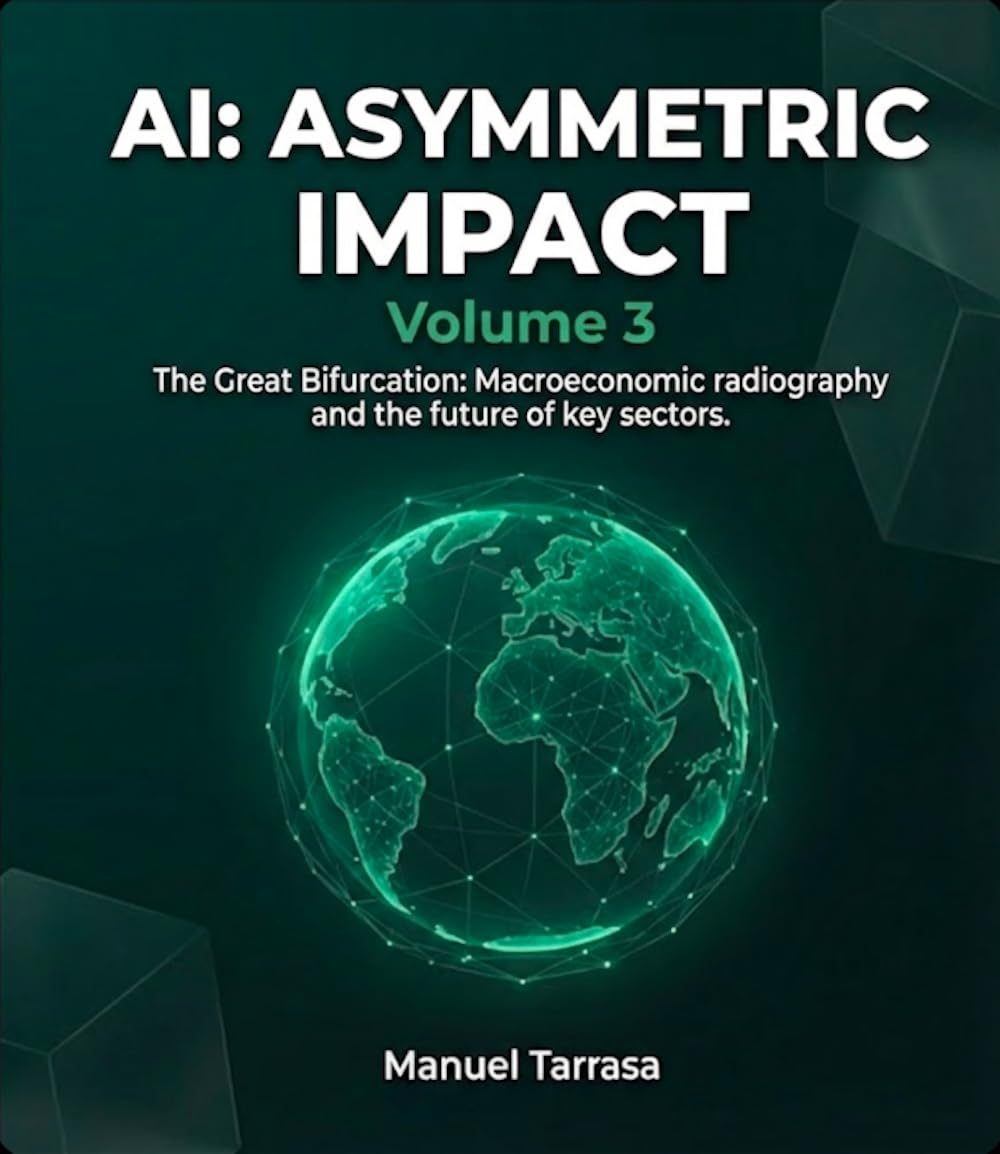
A macroeconomic, sector-by-sector X-ray of how AI redraws the global chessboard over the coming decade, with the human factor at the center.
As an Amazon Associate, Zendoric earns from qualifying purchases; the price does not change for you. · all our recommended books →
We'll send you a confirmation email (double opt-in). Privacy.
By Seeking Alpha · July 9, 2026. Independent investor Carla Magliocco has downgraded her recommendation on Alibaba (NYSE: BABA) to "sell," according to her analysis published on Seeking Alpha. Her arguments: slowing revenue growth, negative free cash flow, rising CAPEX and weakening Chinese consumption. To that she adds a new and more structural factor: agentic AI as a direct threat to the company's e-commerce model. Alibaba's cloud, meanwhile, is growing strongly, but its profitability remains uncertain. It is worth stressing that this is the thesis of one specific analyst, not a market consensus or an established fact: it is an investment opinion, with its own biases and time horizon, and should be read as such.
What is interesting about the argument, beyond whether the stock rises or falls on the market, is the mechanism it points to. The core business of a marketplace like Taobao or Tmall is intermediation: charging a commission for connecting buyer and seller, and monetizing attention via advertising within the platform itself. An AI agent that buys directly on behalf of the user —comparing prices, negotiating, executing the transaction without going through the marketplace's visual interface— erodes precisely that layer of intermediation and advertising. It is not an attack on Alibaba as a tech company, it is an attack on the business model that sustains all the major marketplaces, including Amazon or MercadoLibre, also mentioned in the article as comparables.
In general, this type of disruption fits a pattern we've been observing in the sector: agentic AI does not first destroy the most visible jobs, but the administrative and intermediation layers that once seemed defensible by scale and proprietary data. What a flight search engine, a price aggregator or a personal shopping assistant does is replace exactly the function that generated the intermediary's margin. Alibaba, ironically, is also one of China's major AI model developers (its Qwen family competes at the open frontier), which places the company in a paradoxical position: it builds the technology that, applied by third parties, can drain the value from its own core business.
Our reading is that this case is a good illustration of the hard transition phase we anticipate for the short term: businesses built on friction and intermediation —whether in e-commerce, retail banking or administrative management— are going to suffer margin compression as autonomous agents take on tasks that previously required a human intermediary platform. That's not doom-mongering, it's margin arithmetic. But in the long run, that same agentic efficiency is what frees up time and resources: less friction in everyday transactions ultimately means more economic capacity available for what does generate real value, from health innovation to the production of cheaper physical goods. The relevant question for investors and for the sector is not whether Alibaba "survives," but whether it manages to convert its advantage in data, logistics and its own AI infrastructure (Qwen, its cloud) into the new value layer, instead of clinging to a commission model that the very technology it makes is beginning to dismantle.
📚 Go deeper
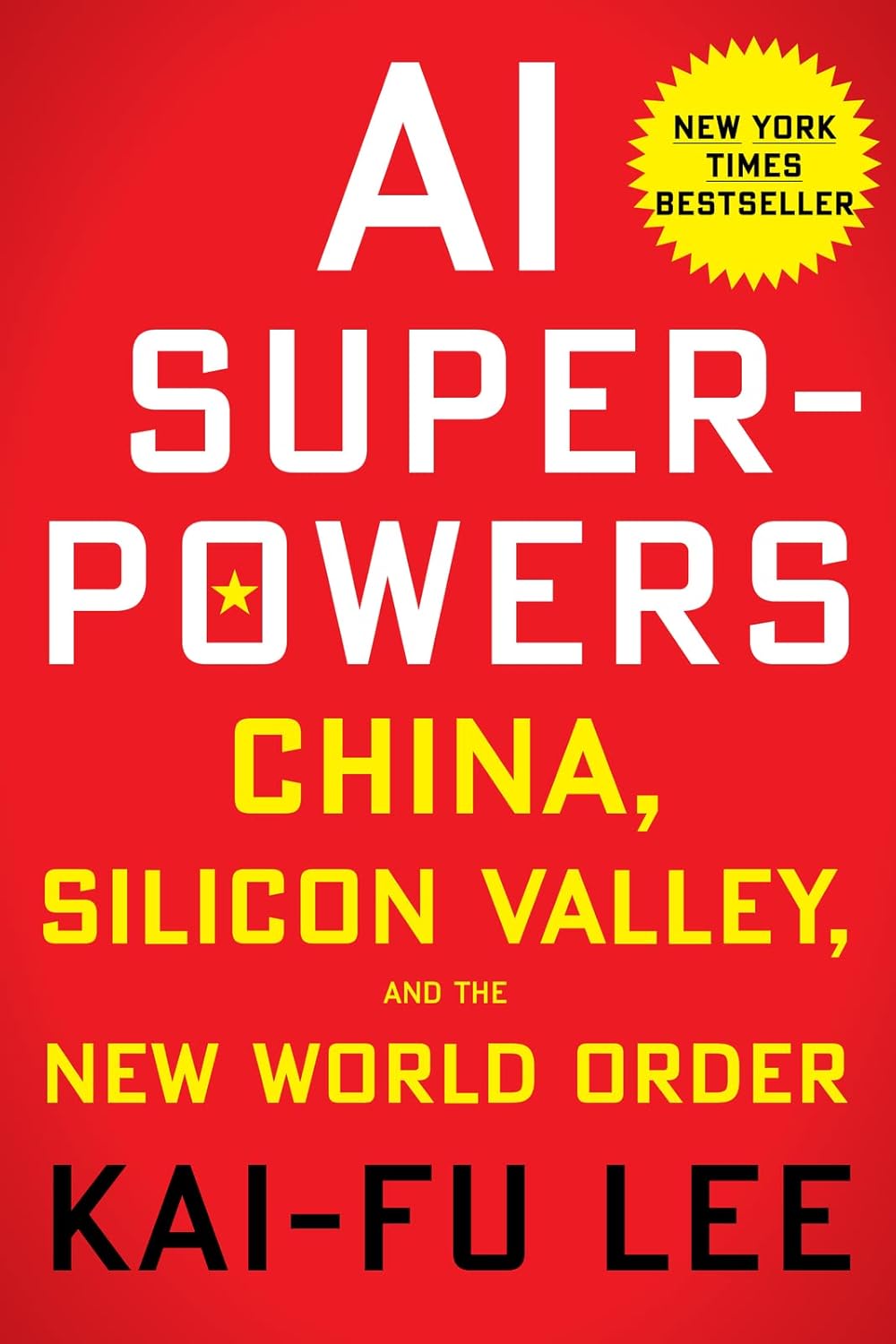
China vs.
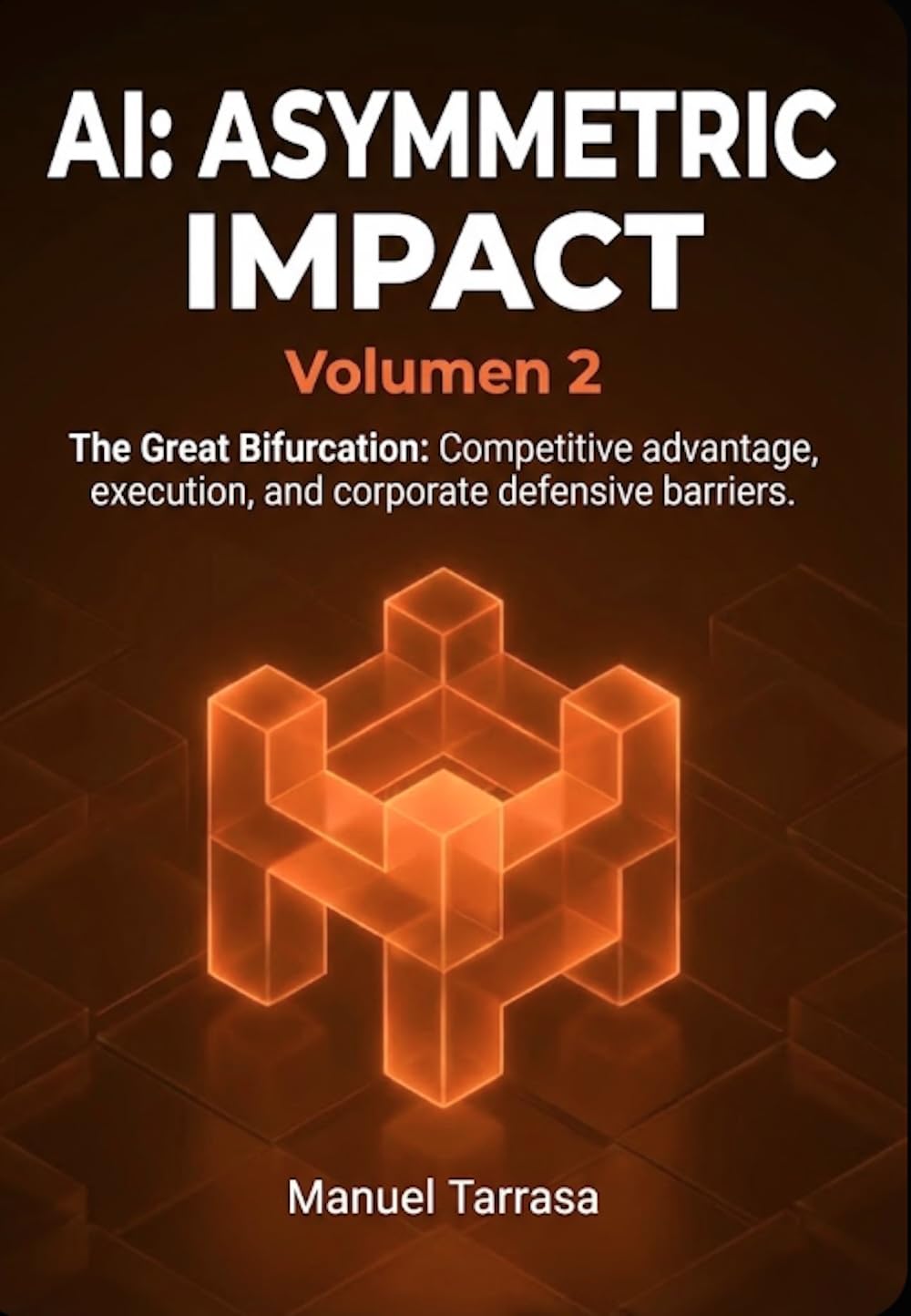
The same bifurcation seen from the boardroom: strategy, execution and defensive moats to reorganize a business around AI before your competitors do.
As an Amazon Associate, Zendoric earns from qualifying purchases; the price does not change for you. · all our recommended books →
🔗 Related on Zendoric
- Alibaba bans its employees from using Anthropic's AI tools after 'distillation attack' accusation · 2026-07-09
- Anthropic points the finger at Alibaba: the AI frontier is starting to defend itself with lawyers, not just code · 2026-06-25
- Microsoft cuts thousands of jobs to fund its AI bet: the paradox of record spending · 2026-07-02
Sources & references
Get the analysis by email · free
One email a day analysing the AI essentials. Free, no spam, unsubscribe anytime.
We'll send you a confirmation email (double opt-in). Privacy.