Meta Hands Everyone a Deepfake Button — and the Burden of Proof Shifts to You

🕒 Published on Zendoric: July 10, 2026 · 00:24
✨ AI-generated · how it's made
Meta has rolled out a new AI image tool capable of generating deepfake-style imagery, paired with guidance on locking down your Instagram. The real story isn't the feature — it's that synthetic likeness generation is now a default consumer utility, and the defensive burden is quietly landing on users.
📚 Go deeper
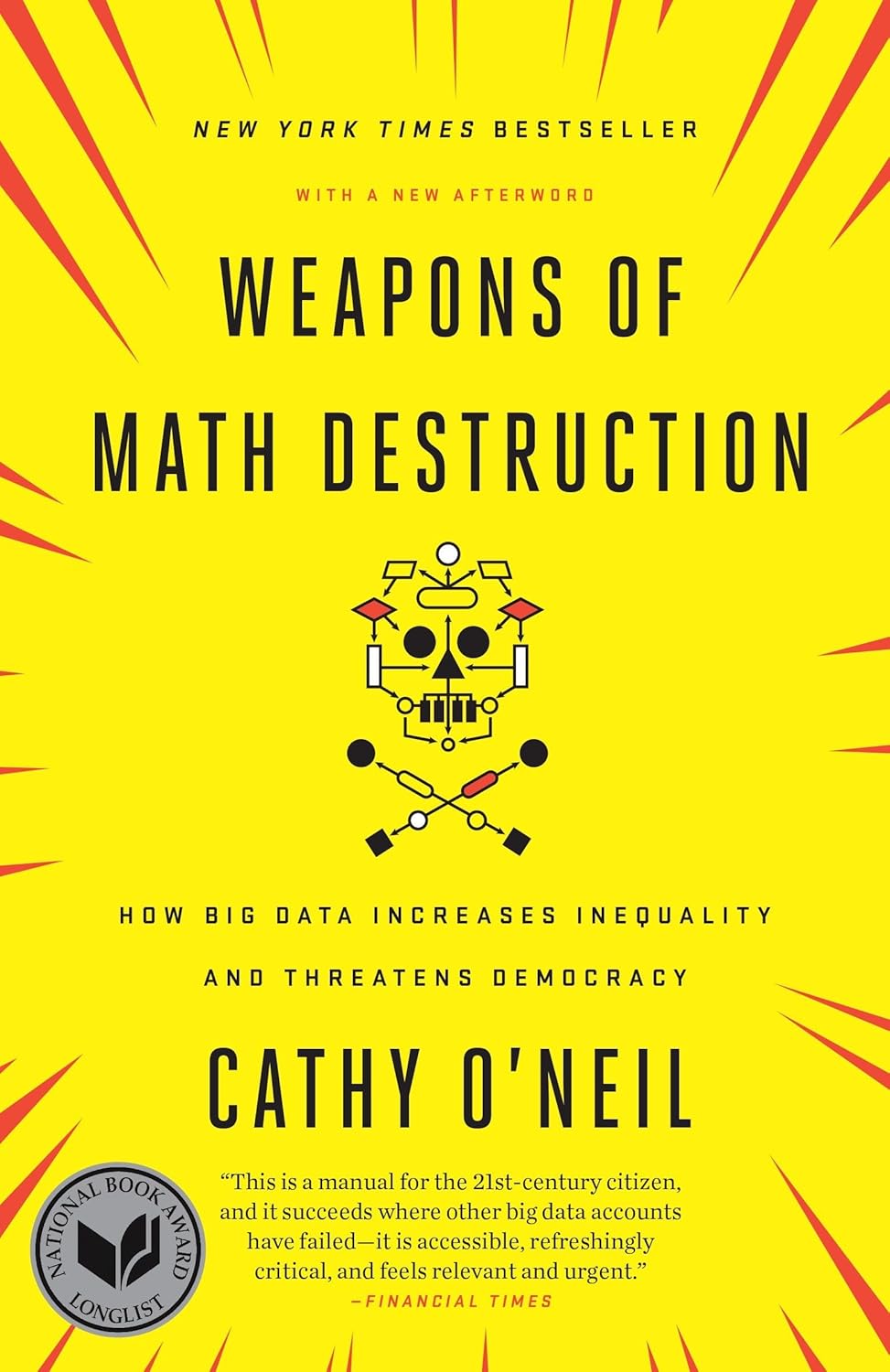
How opaque algorithms decide who gets credit, a job or parole — and why they tend to punish the same people.
As an Amazon Associate, Zendoric earns from qualifying purchases; the price does not change for you. · all our recommended books →
The facts, as reported: Meta has introduced a new AI image tool that can create deepfakes, and the coverage pairs the launch with a practical guide to protecting yourself on Instagram — tightening privacy settings, limiting who can access and reuse your photos, and being alert to manipulated imagery. Note that the source here is thin on technical specifics, so we'll resist the temptation to fill the gaps; what matters is the direction of travel, not the feature sheet.
Our thesis: the significant shift isn't that deepfakes exist — that ship sailed years ago — but that the capability to synthesize convincing likenesses is being folded into a mainstream consumer app used by billions. When a tool like this ships inside Instagram's gravity well, it stops being a specialist trick and becomes ambient infrastructure. That normalization is the actual news.
Why it matters in the short term: this is a textbook example of the transition costs we keep flagging. Powerful generative tools democratize creativity — genuinely useful for artists, small businesses, and everyday users — while simultaneously lowering the cost of impersonation, harassment, and fraud. Telling individuals to 'protect themselves on Instagram' is sensible advice, but it also reveals an uncomfortable asymmetry: the platform ships the capability at scale, and the burden of defense is redistributed to users one privacy toggle at a time. That's not a fair trade, and we should say so plainly.
Our read: the durable fix isn't a checklist of settings — it's provenance and accountability built into the pipeline itself. Robust content credentials, visible AI labeling, and friction on non-consensual likeness generation have to live at the platform layer, because expecting hundreds of millions of people to become their own forensic analysts is a losing proposition. The encouraging long-term signal is that detection, watermarking, and provenance standards are maturing alongside the generators; the arms race is real, but it isn't one-sided.
Zoom out and the optimism holds, with conditions attached: the same generative capacity that enables a convincing fake also powers accessible design, translation, and creative expression for people who never had those tools. The technology isn't the villain — the governance gap is. The task now is to close that gap fast enough that trust in what we see survives the transition, so that a world of abundant creative tooling doesn't arrive at the cost of a shared sense of what's real.
📚 Go deeper
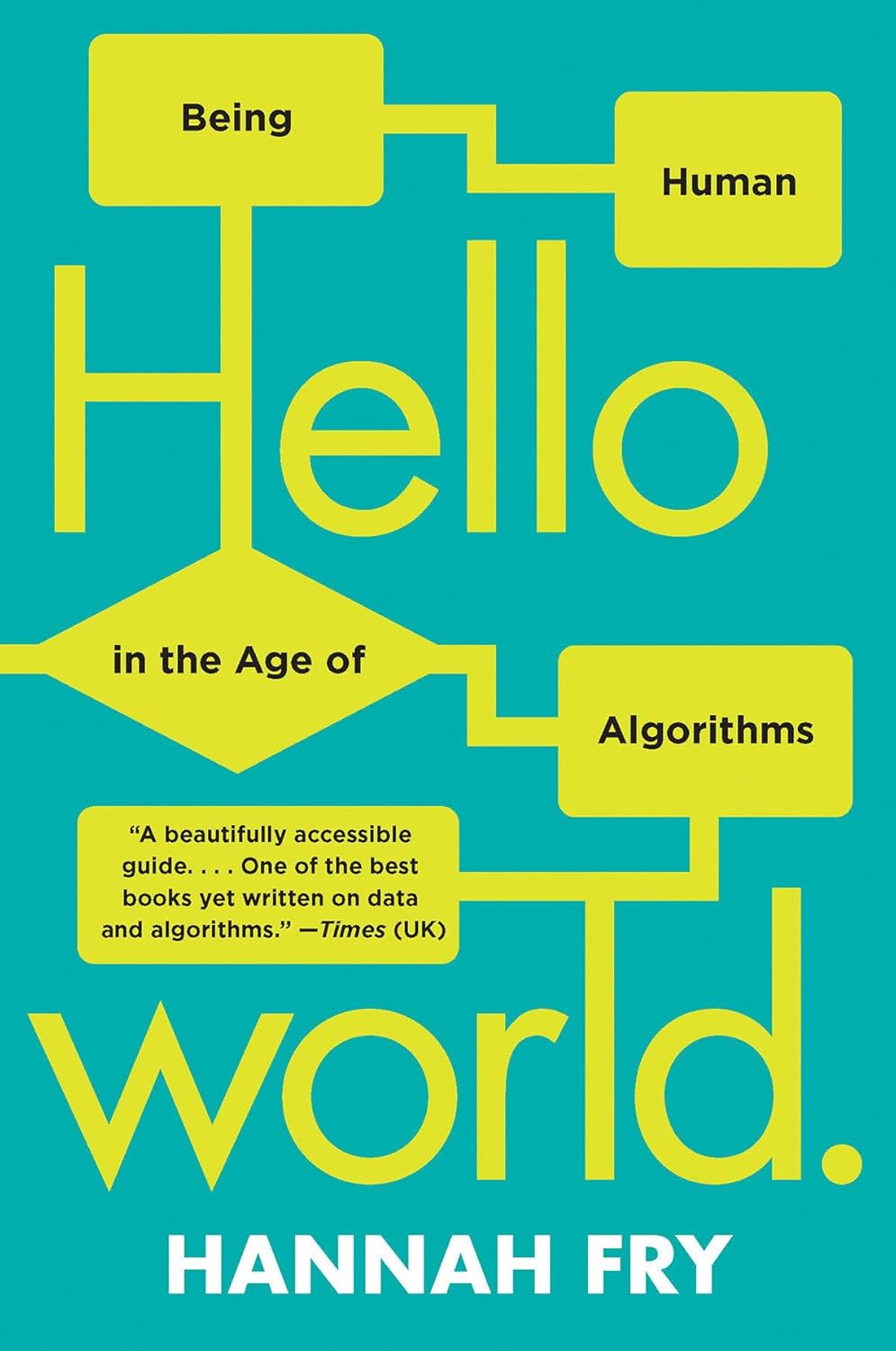
Algorithms in justice, medicine, cars and art, explained with British humor and mathematical honesty.
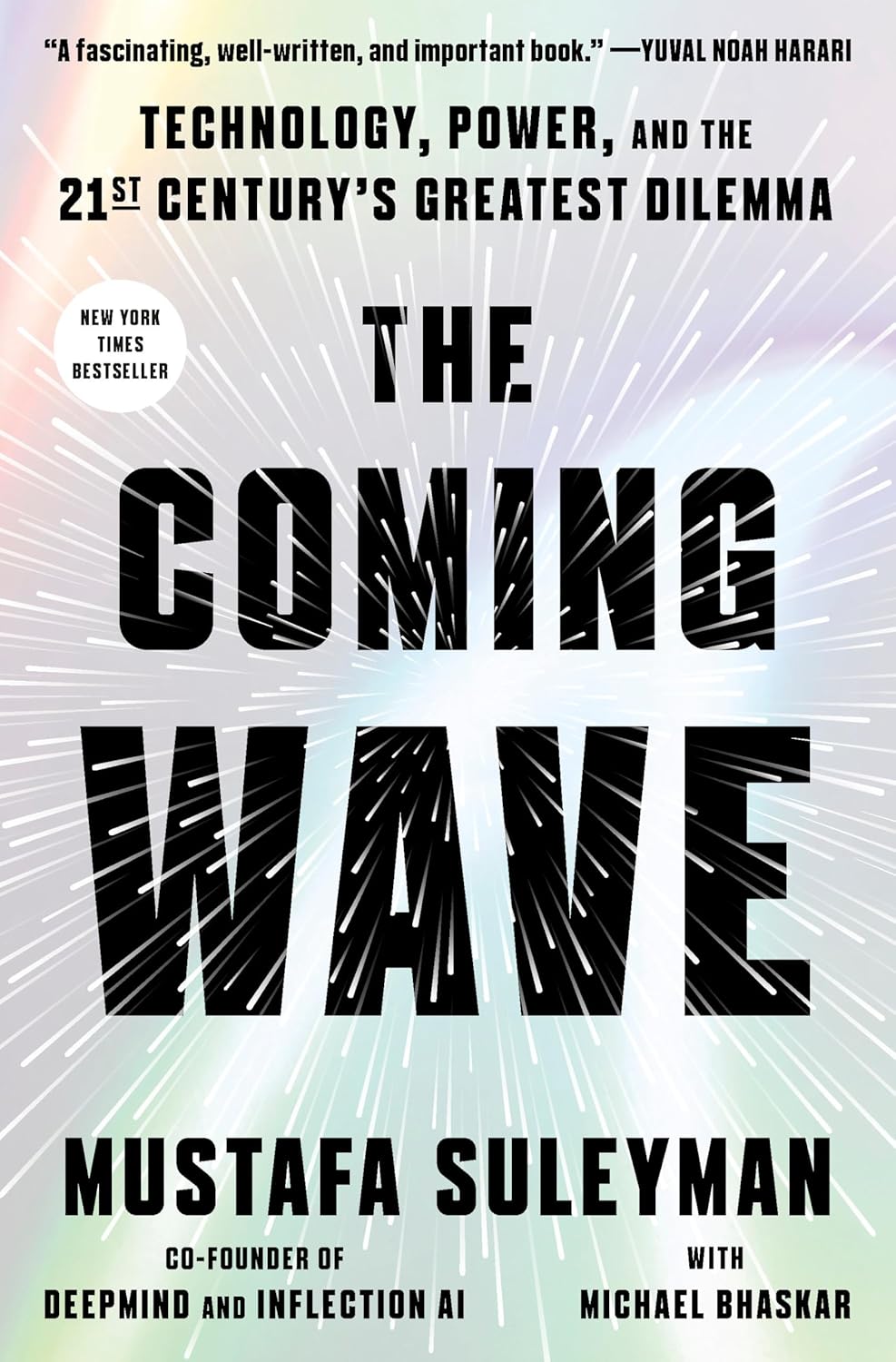
DeepMind co-founder on the dilemma of containing technologies that do not want to be contained.
As an Amazon Associate, Zendoric earns from qualifying purchases; the price does not change for you. · all our recommended books →
🔗 Related on Zendoric