Meta patents an AI device that listens to, transcribes and analyzes your emotions to "personalize" workouts

🕒 Published on Zendoric: July 10, 2026 · 00:24
Meta has filed a patent —published on July 2, 2026, though filed in December 2025— for a system that would continuously record a user's voice and surroundings throughout the day, transcribe those recordings and use a machine learning model specialized in "states…
📚 Go deeper
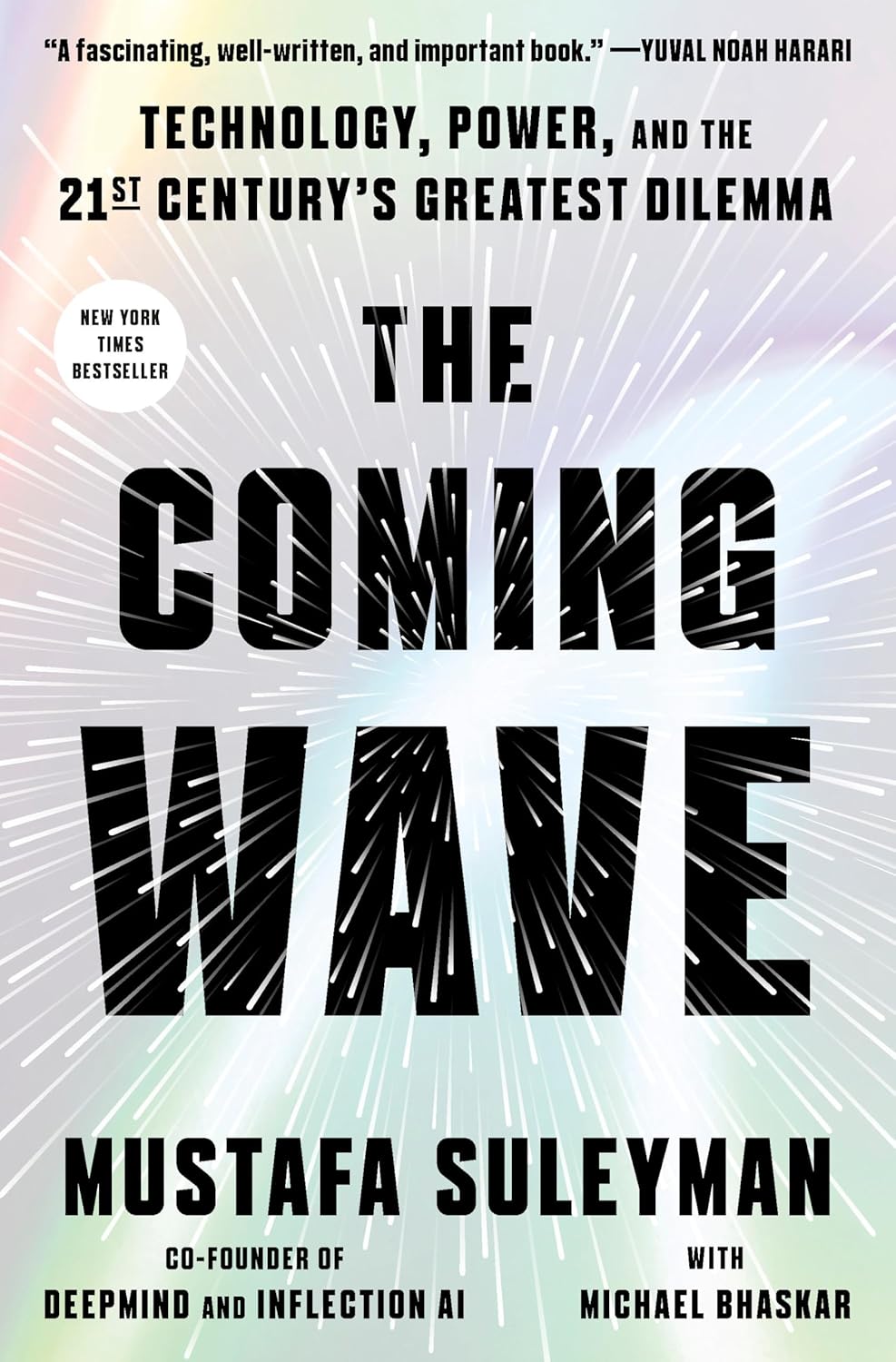
DeepMind co-founder on the dilemma of containing technologies that do not want to be contained.
As an Amazon Associate, Zendoric earns from qualifying purchases; the price does not change for you. · all our recommended books →
We'll send you a confirmation email (double opt-in). Privacy.
Meta has filed a patent —published on July 2, 2026, though submitted in December 2025— for a system that would continuously record a user's voice and surroundings throughout the day, transcribe those recordings and use a machine-learning model specialized in "emotional states" to interpret verbal and non-verbal cues: sighs, laughter, tone of voice, time of day, location, the activity being performed or even the moment someone takes their medication. According to the patent's own text, cited in the article, the "AI assistant" would listen to users at predefined moments to capture that kind of cue and thus "quantify the user's emotional state or generate other insights," including summaries of emotional trends associated with specific time slots or with taking medication.
The stated goal —and, for now, purely theoretical, as is the case with any patent— is commercial and seemingly modest in its formulation: to use all that information to design personalized physical training routines according to the user's mood, and to correct posture or body movement with a precision that, the patent says, a human personal trainer could not offer. The document itself argues that such a system solves a real gap: "personal trainers cannot offer the level of precision in posture and body-movement corrections" that a single device capable of observing, recommending routines and giving corrective feedback in real time could achieve.
However, the disproportion between the stated end (improving workouts) and the means described (permanent auditory and contextual surveillance) is the core of the critique in the article, published in 404 Media and written by Matthew Gault, who picks up the original finding by Patentlyze. The patent is not limited to analyzing audio: it envisions training the system with "attributes of thousands of objects" from the user's environment, including books, personal messages or newspapers, and synchronizing multiple sensory data streams over common timelines to build what the text itself calls a "novel data structure" that would allow "richer emotional analysis." The patent's technical language is explicit about the system's ambition: it seeks a "technical improvement in the automated interpretation of audio" that would enable "continuous emotional monitoring on everyday devices."
The article connects this move to Meta's track record on data and privacy. It recalls that the company, then called Facebook, already sparked a scandal in 2012 with its "emotional contagion" experiment: it deliberately altered the news feed of 700,000 users to test whether it could induce positive or negative moods in them by manipulating what they saw, without informing them they were part of an experiment, and confirmed that it could indeed alter people's mood at will. The parallel Gault draws is direct: the company that proved it could manipulate emotions through content is now patenting a device that aims to read those very emotions directly from the voice and physical environment of its users.
The text also places the patent within Meta's broader hardware strategy, noting that the company has already been a pioneer in the non-consensual recording of third parties in public spaces through its smartglasses, so, according to the author, it is not surprising to see it advance toward a device that would take that logic of constant capture a step further, this time focused on the user themselves and on those around them during their conversations. The article stresses that a wearable that records every word spoken by the user will necessarily also record their interactions with other people, who would not have given their consent to be heard or analyzed.
From the perspective of the AI industry, the article frames the patent as one more piece in the race to obtain increasingly intimate training data: it points out that large language models have already crawled much of the content available on the internet and remain "hungry" for more data, and that a system like the one patented would give Meta unprecedented access to the movements, moods and everyday interactions of its users, while the trade-off offered —exercise suggestions— is described as a "meager" compensation against the volume and sensitivity of the data collected.
The article includes an official response from Meta through its spokesperson Tracy Clayton, who qualifies the actual scope of the announcement: "like other companies, patents at Meta are often filed to disclose concepts that may or may not be implemented, and a granted patent does not guarantee that Meta has pursued or will pursue the technology described." In other words, the company itself acknowledges that this is an exploratory document and that there is no commitment to turn this continuous emotional surveillance into a real product.
Overall, the case illustrates a common tension in the debate over AI and big tech: the gap between what a patent describes as possible —and often drafted in maximalist technical terms to cover as much intellectual-property ground as possible— and what actually reaches the market. Even so, the article argues that the mere fact that a company with Meta's history on data and experimentation with users' moods has detailed, with this level of specificity, a permanent ambient-listening system aimed at inferring emotions, is revealing of where the next generation of AI-powered wearables could be headed, and of the privacy risks that path would entail if it ever materializes.
📚 Go deeper

How opaque algorithms decide who gets credit, a job or parole — and why they tend to punish the same people.
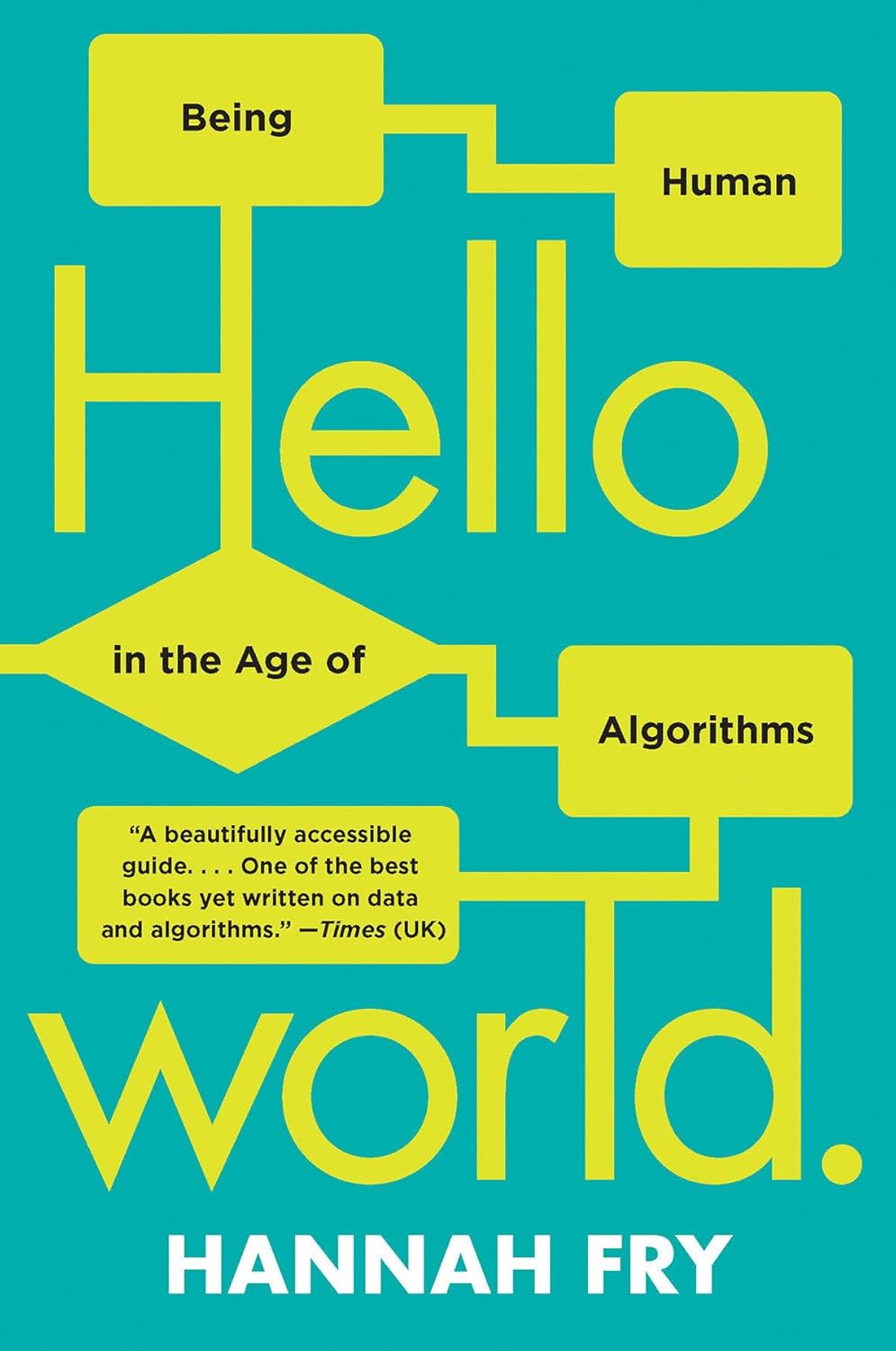
Algorithms in justice, medicine, cars and art, explained with British humor and mathematical honesty.
As an Amazon Associate, Zendoric earns from qualifying purchases; the price does not change for you. · all our recommended books →
🔗 Related on Zendoric
Sources & references
Get the analysis by email · free
One email a day analysing the AI essentials. Free, no spam, unsubscribe anytime.
We'll send you a confirmation email (double opt-in). Privacy.