Four nuclear microreactors in the US reach criticality, a symbolic milestone on the way to power supply

🕒 Published on Zendoric: July 10, 2026 · 00:24
✨ AI-generated · how it's made
Casey Crownhart's article in MIT Technology Review reviews a recent milestone for the US nuclear industry: four experimental microreactors managed to reach 'criticality' —the technical point at which a reactor can sustain a chain reaction— just in time for July 4, the date of the 250th…
📚 Go deeper

The story of NVIDIA and Jensen Huang: how a video-game card company ended up making the most coveted resource on the planet.
As an Amazon Associate, Zendoric earns from qualifying purchases; the price does not change for you. · all our recommended books →
The article by Casey Crownhart in MIT Technology Review reviews a recent milestone for the US nuclear industry: four experimental microreactors achieved 'criticality' —the technical point at which a reactor can sustain a chain reaction— just in time for July 4, the date of the United States' 250th anniversary. Last year the Trump administration had set the goal of having at least three new microreactors reach that milestone by that symbolic date, as part of the Department of Energy's (DOE) so-called Reactor Pilot Program. The goal was not only met but exceeded, since four different companies achieved it.
The program, launched last August, selected 11 reactor projects for accelerated development, offering them land and support from the national laboratory system. In every case these are microreactors, vastly smaller —tens or hundreds of times— than the large light-water reactors that dominate the electric grid today. Antares Nuclear was the first company to reach criticality, in June, with its Mark-0 test reactor. It was followed by Valar Atomics, Deployable Energy and Aalo Atomics, the latter in the very first hours of July 4, meeting the deadline by a narrow margin. It is striking that Valar, Antares and Aalo were founded in 2023 and Deployable only in 2025, which gives a sense of the speed at which this process has moved in an industry historically marked by delays and massive cost overruns.
However, the author clearly underscores the article's central technical nuance: reaching criticality is nowhere near equivalent to being able to generate electricity for the grid. All of these reactors reached what is known as 'zero-power criticality,' that is, proof that the chain reaction can be started, but without the reactor producing a significant amount of energy. Kathryn Huff, former deputy assistant secretary for nuclear energy and head of the Department of Nuclear Engineering at the University of Wisconsin-Madison, is quoted; she noted on the Catalyst podcast that a zero-power criticality test can be achieved without having made real engineering progress on the fuel or the reactor design.
From here, the companies will have to tackle considerable technical challenges, such as adding cooling systems capable of extracting heat from the reactor core, something indispensable to actually generate electricity. Despite this, the companies are working with very ambitious timelines: Aalo says it has already begun work on its second reactor and plans to produce 10 megawatts of electricity in 2027 to power an on-site data center, while Deployable Energy says it expects to deploy commercial reactors in 2028. The journalist expresses reasonable skepticism about these timelines, recalling that these are extraordinarily complex machines and that nuclear startups often face problems outside their control, especially of a regulatory nature.
In that regard, the article mentions that the Nuclear Regulatory Commission (NRC) is the body in charge of approving civil and commercial nuclear use in the US, and that this approval process has historically been slow. This year the NRC proposed a new framework to speed up the approval of microreactors, though how quickly it will move in practice remains to be seen. The article also notes that some nuclear energy experts have questioned whether the Trump administration is loosening nuclear safety rules too much.
Not everyone in the sector greets this milestone with enthusiasm. The public policy think tank Third Way described the federal focus on the microreactor program as an 'unhelpful distraction' from the more relevant goal of significantly increasing the country's nuclear capacity. According to its memo, quoted in the article, 'artificially accelerating project timelines is a short-term fix, not a lasting solution.'
The author's conclusion is measured: criticality is an important first step, but there is a long way to go —both technically and in regulatory terms— before any of these microreactors operate commercially, and much further still before these small units can become a meaningful source of electricity for the grid. The text also hints, if tangentially, at the connection of this kind of technology to the growing energy demand tied to data centers —like the one Aalo plans to power—, a relevant topic for any reader interested in the infrastructure underpinning the rise of artificial intelligence, although the article itself focuses on nuclear policy and technology, not AI.
📚 Go deeper

The definitive piece of investigative journalism on OpenAI: 260+ interviews, the clash between safety and speed, and the attempted firing of Sam Altma
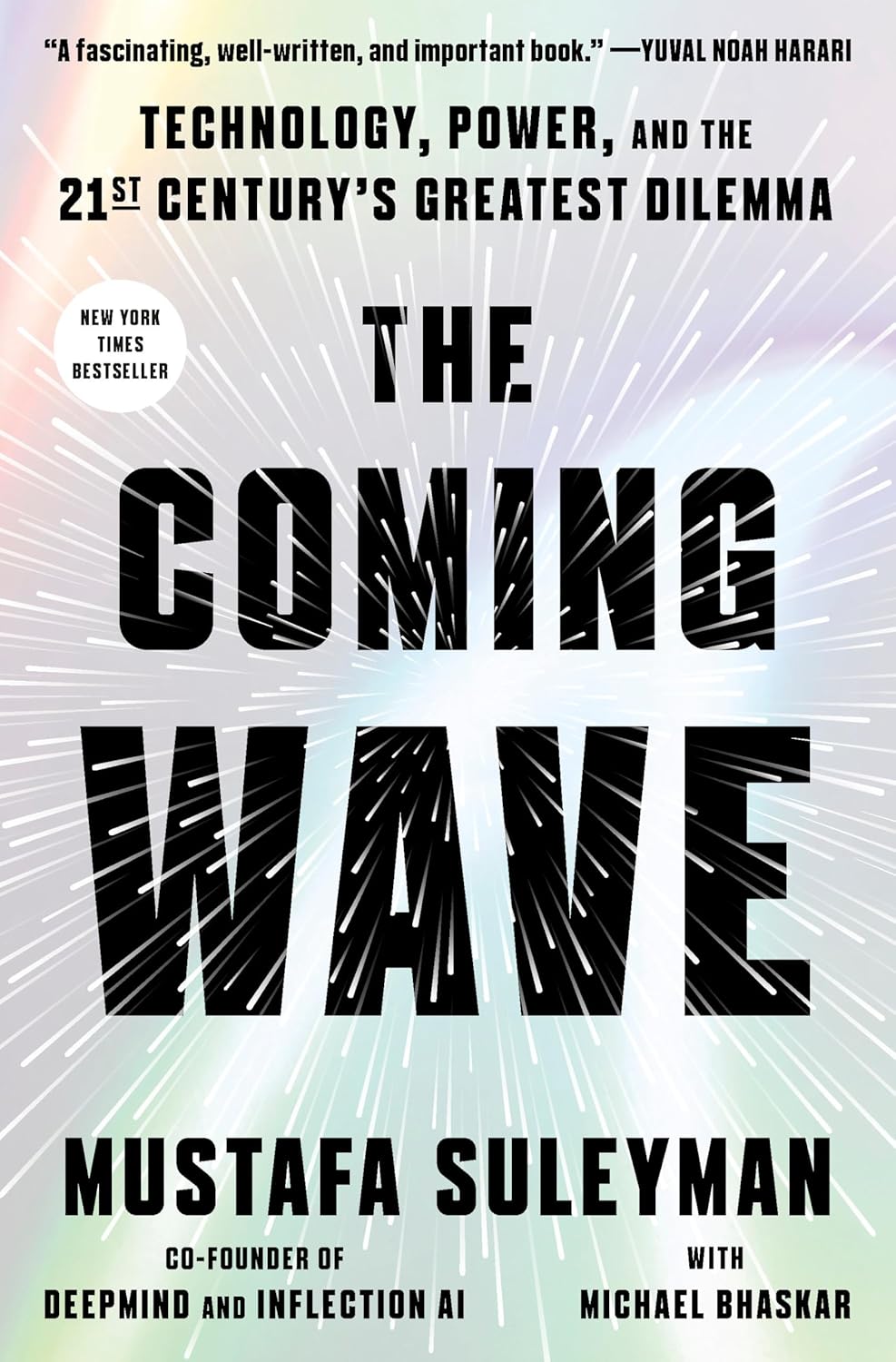
DeepMind co-founder on the dilemma of containing technologies that do not want to be contained.
As an Amazon Associate, Zendoric earns from qualifying purchases; the price does not change for you. · all our recommended books →
🔗 Related on Zendoric
- Three open fronts after the clash between Anthropic and the U.S. government over AI safety · 2026-06-30
- AI versus elephants: early-warning systems aim to prevent deadly clashes between humans and wildlife in India · 2026-06-30
- MIT Technology Review's Roundtables events page: subscriber content, not an article · 2026-07-02