Zeitgeist: when AI knows too much — data moats, the Jevons paradox, open source, voice and on-prem chips

🕒 Published on Zendoric: July 10, 2026 · 00:24
This article is an editorial chronicle by the Forward Future team ("Zeitgeist" format, dated July 8, 2026) that summarizes an internal conversation on several current AI topics, each linked to an external source (an X thread, a YouTube video, a TechCrunch article, etc.).
📚 Go deeper
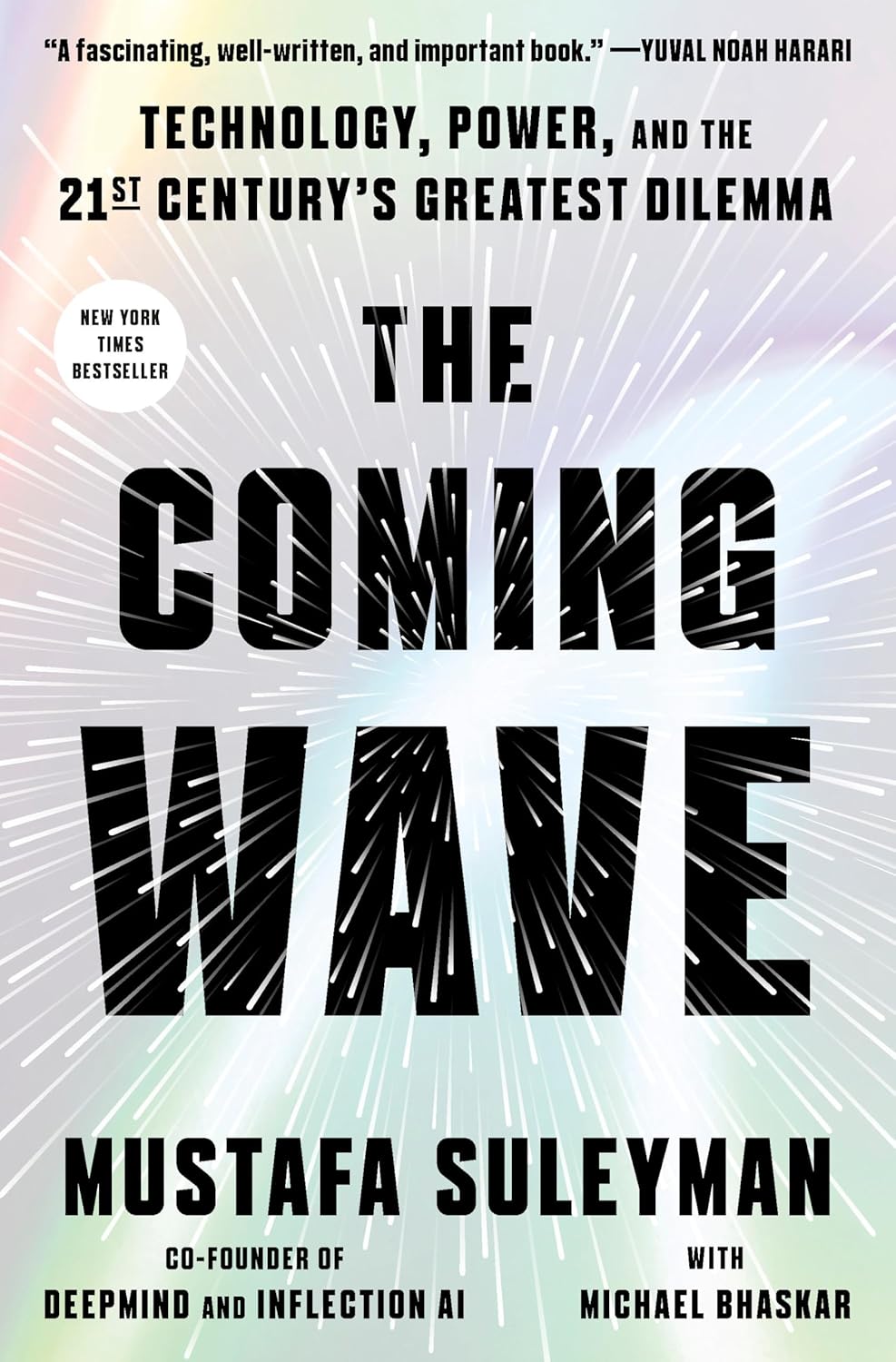
DeepMind co-founder on the dilemma of containing technologies that do not want to be contained.
As an Amazon Associate, Zendoric earns from qualifying purchases; the price does not change for you. · all our recommended books →
We'll send you a confirmation email (double opt-in). Privacy.
This article is an editorial chronicle by the Forward Future team ("Zeitgeist" format, dated July 8, 2026) that summarizes an internal conversation on several current AI topics, each linked to an external source (an X thread, a YouTube video, a TechCrunch article, etc.). It is not a single technical analysis but a mosaic of five brief discussions, so the summary follows that same structure.
The common thread is a question the team says it has been "mulling over": what happens when better models make information cheap, abundant and hard to protect? The other conversations spring from there.
The first, prompted by a post from Levie on X, deals with data "moats" in a world of shared intelligence. The idea is that if many companies access similar model intelligence, competitive advantage may cease to reside in the model and shift to the proprietary data a company is able to capture, structure and feed into the system. The team is skeptical about how long that advantage can last: if AI makes it easier to copy, summarize and operationalize information, sustaining a protected advantage becomes harder. This ties into a broader economic question: if AI moves toward "nearly perfect information," the very concept of competitive alpha (the edge gained by those who manage information better) could weaken. The upside would be better resource allocation; the uncomfortable part is who —or which system— decides what should be optimized.
The second discussion stems from a Hank Green video about the Jevons paradox: when a technology becomes more efficient, total use can increase rather than decrease, and the team speculates that AI could follow that same pattern. From there, energy emerges as a serious constraint: if informational work gets cheaper, demand could surge, and the limiting factor would no longer be just model capacity but electricity supply. The open question they leave is the shape of that demand curve: whether it will settle into an S-curve (growth that then levels off) or keep expanding as new uses appear, something that affects infrastructure decisions and the sector's business models.
The third conversation, prompted by a TechCrunch article on why the open-source boom is not yet hurting Anthropic, concludes that this is not a binary, all-or-nothing contest between open-source models and frontier labs. Cost is pushing more volume toward cheaper models, but high-value use cases still reward the performance of top-tier models. The team draws a parallel with the iOS/Android split: frontier models could dominate premium workflows in the U.S., while cheaper open-source options gain share globally. The practical takeaway is that the market will be mixed, with companies distributing tasks according to cost, quality, latency, privacy and the value of each specific task.
The fourth piece revolves around an OpenAI voice announcement on X. What caught the team's attention was not the novelty itself, but that until now they had not found voice tools reliable enough for serious work; the phrase used in the meeting was blunt: current voice technology is "basically unusable." The interest is not technological curiosity but the potential for better voice to change how people interact with AI day to day, especially for drafting, searching for information or controlling workflows. Even so, they treat the launch cautiously, acknowledging the usual gap between the quality of a demo and real usefulness in daily use.
The last conversation starts from a SambaNova announcement on X about a $1 billion funding round at an $11 billion valuation. The team reads it as another sign that demand for AI compute keeps drawing capital across the entire tech stack (chips, infrastructure, etc.). They especially highlight the "on-prem" deployment angle (on the company's own premises, not in the cloud): for regulated sectors like finance or healthcare, keeping models and data closer to the organization itself can be more appealing than sending everything through a cloud API. This connects again to the data-moat theme: if proprietary data is the competitive advantage, the systems that store, protect and run it become increasingly important.
Overall, the article offers no new figures beyond the SambaNova round ($1 billion at an $11 billion valuation) and no additional verifiable claims; it is, above all, an editorial summary of the Forward Future team's internal opinions and speculation, with links to the primary sources for anyone who wants to dig deeper into each topic separately.
📚 Go deeper
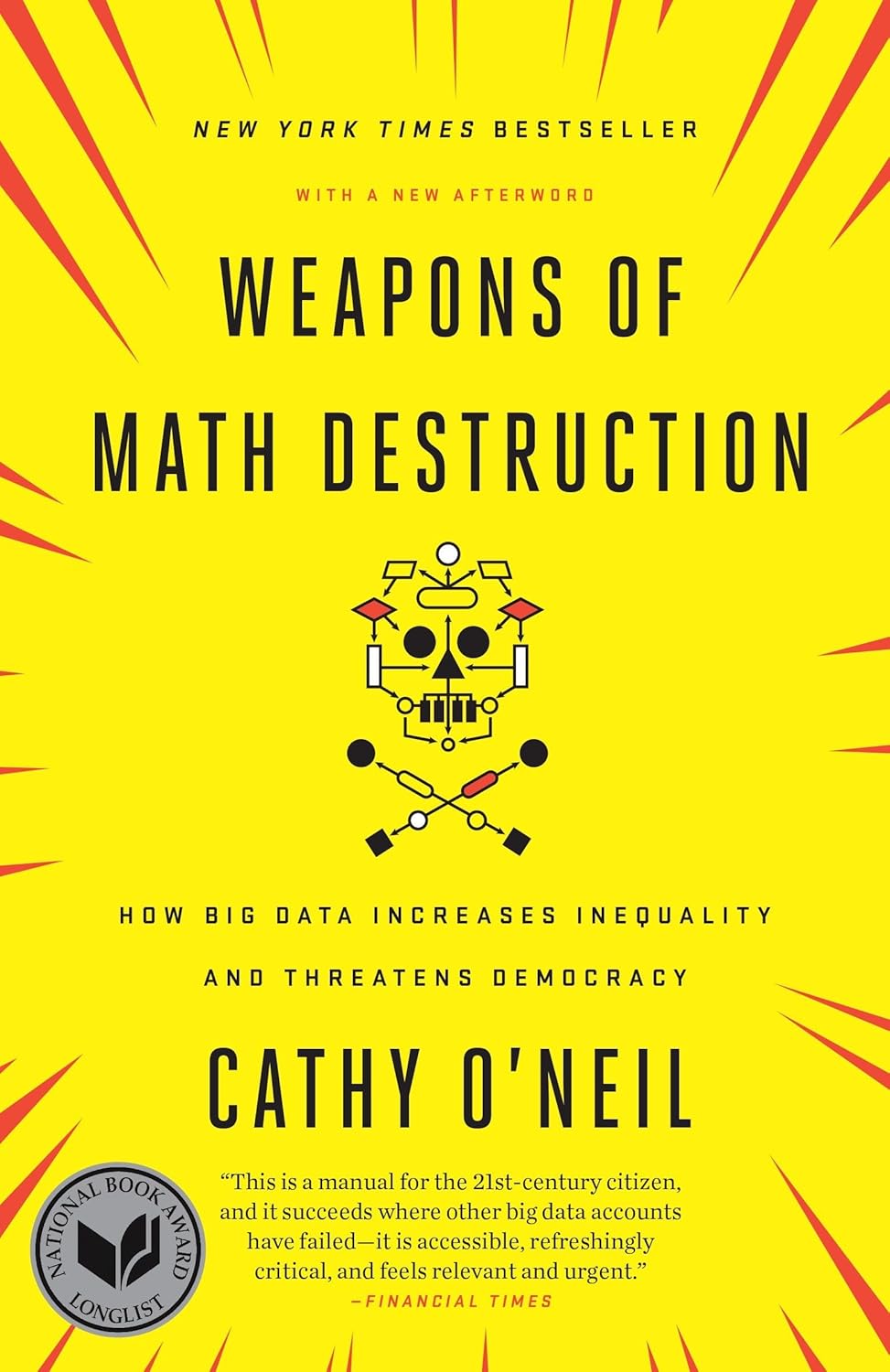
How opaque algorithms decide who gets credit, a job or parole — and why they tend to punish the same people.
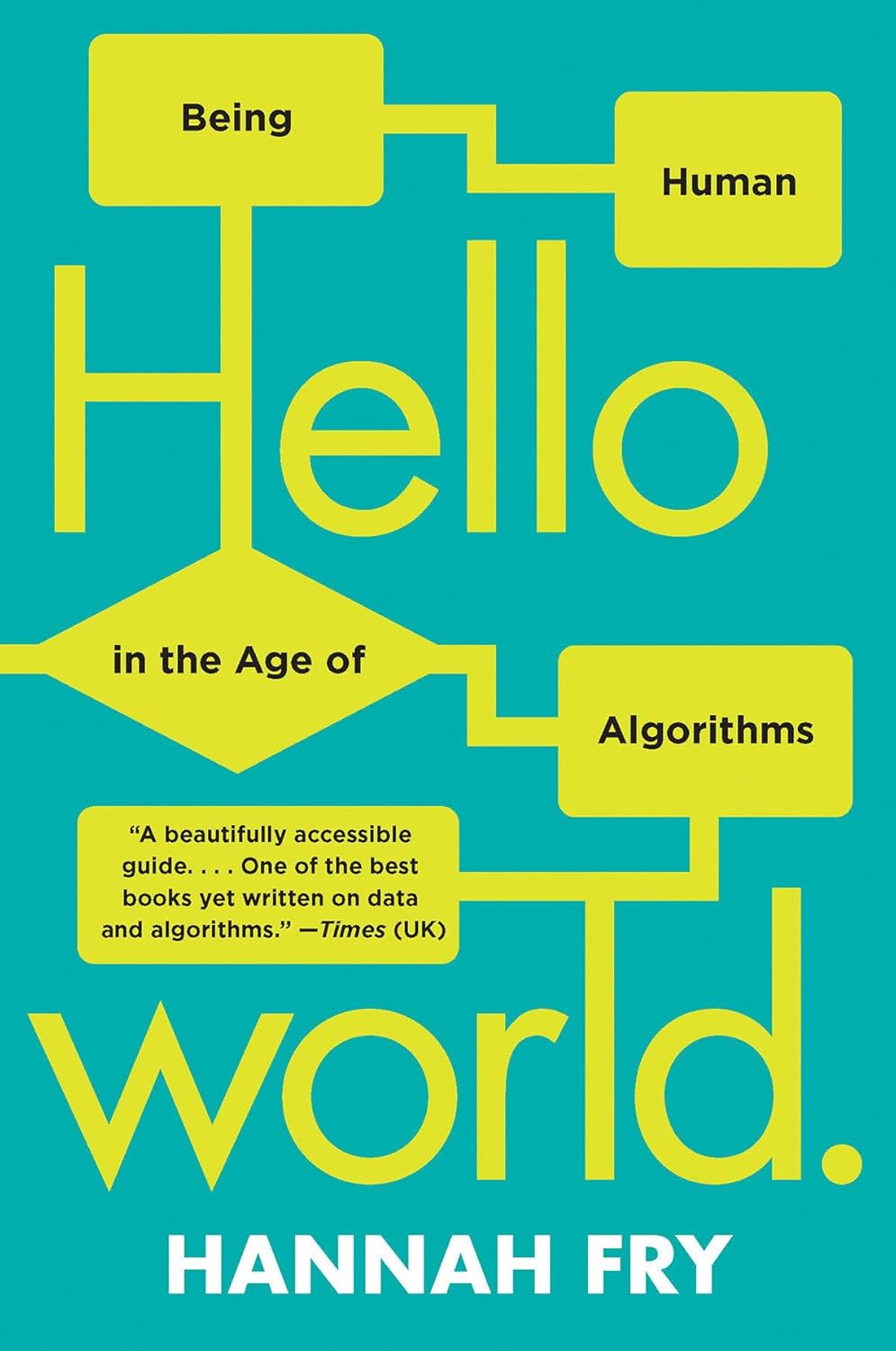
Algorithms in justice, medicine, cars and art, explained with British humor and mathematical honesty.
As an Amazon Associate, Zendoric earns from qualifying purchases; the price does not change for you. · all our recommended books →
🔗 Related on Zendoric
- The genie won't go back in the bottle: AI, jobs and why student panic is miscalibrated · 2026-06-30
- Palo Alto Networks and CrowdStrike post their best quarter ever, driven by AI-linked cybersecurity demand · 2026-07-03
- Rock Hill takes on AI, social media and enrollment in one package: school governance gets professional · 2026-06-24
Sources & references
- forwardfuture.com — Zeitgeist: when AI knows too much — data moats, the Jevons paradox, open source, voice and on-prem chips
- MarketWatch — Meta buys time: an agentic coding model and its own chips ease fears over AI spending
Get the analysis by email · free
One email a day analysing the AI essentials. Free, no spam, unsubscribe anytime.
We'll send you a confirmation email (double opt-in). Privacy.