GPT-5.6 and ChatGPT Work: OpenAI attacks Anthropic with its own benchmarks and price, not a clear advantage
🕒 Published on Zendoric: July 10, 2026 · 00:24
OpenAI launches three models (Sol, Terra, Luna) and ChatGPT Work, its answer to Claude Cowork, boasting that it beats Fable 5 in speed and cost. The numbers are OpenAI's own: the real fight over office productivity has only just begun.
📚 Go deeper
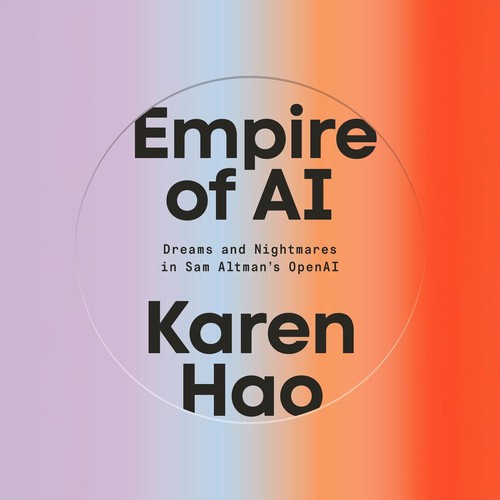
The definitive piece of investigative journalism on OpenAI: 260+ interviews, the clash between safety and speed, and the attempted firing of Sam Altma
As an Amazon Associate, Zendoric earns from qualifying purchases; the price does not change for you. · all our recommended books →
We'll send you a confirmation email (double opt-in). Privacy.
By ZDNET · July 9, 2026.
OpenAI has unleashed its mid-year artillery all at once: GPT-5.6 in three variants -Sol (the flagship, equivalent to GPT-5.5's reasoning mode), Terra (the default model), and Luna (the fast version, heir to instant mode)- alongside ChatGPT Work, an agentic desktop tool that accesses your browser and your apps to execute complete tasks: spreadsheets, presentations, websites, projects that are broken into subtasks and worked on for hours. The parallel with Anthropic's Claude Cowork is so direct that ZDNET points it out without mincing words: OpenAI has borrowed the idea of separating the productivity assistant from its programming tool (previously integrated into Codex), probably to make it more appealing to those who do not write code.
The verifiable facts are these: OpenAI claims that Sol scores 53.6 points on Agents' Last Exam -a benchmark that measures the execution of long professional workflows across 55 disciplines-, 13.1 points above Claude Fable 5. On Artificial Analysis's intelligence index it says it comes within one point of Fable 5 while completing tasks in 61% less time, and on the same firm's agentic coding index it reports 80 points, 2.8 above Fable 5. On cost, it maintains that Sol beats Fable 5 by 11.4 points in medium reasoning while spending roughly a quarter as much. Itamar Friedman, of the code-review tool Qodo, backs part of the story with his own data: in his PR tests, GPT-5.6 used around a third of the tokens and delivered a median latency half that of GPT-5.5.
It is worth stressing something the article itself does not question enough: almost all of those numbers —except Qodo's— come from OpenAI itself, comparing itself to itself. On our quality index, which weights SWE-bench-Pro, LMArena, and Terminal-Bench equally, Fable 5 remains ahead of any OpenAI model to date; that Sol comes close on an in-house benchmark does not mean it matches it in real-world use. It is the same caution we have been applying to "voter-optimized" Elo scores or generous indices: measuring matters more than announcing, and here the one doing the measuring is the interested party. That said, the cost-and-speed angle is credible and relevant: if Sol really does solve tasks in a fraction of the time and cost, that weighs more for a company deciding which model to deploy in production than a point up or down in a ranking.
There is another thread worth attention: the launch of GPT-5.6 arrived delayed by government intervention, in the same period in which Anthropic was facing its own episode with the White House over Fable 5 and Mythos 5. OpenAI now presents GPT-5.6 as the model with "the most robust safeguards to date," combining model protections, real-time verification, and risk-calibrated monitoring. That two leading labs receive regulatory signals almost simultaneously within a matter of weeks is not noise: it is evidence that the governance of these systems is already being decided, in part, outside the labs, and that this scrutiny -though uncomfortable for the companies- is exactly the kind of evidence-based oversight we defend against blind regulatory panic.
Where the competition becomes most interesting is in ChatGPT Work. The demo of automatically reorganizing the Apple Notes of an OpenAI employee, which even the ZDNET journalist admits makes him uneasy, illustrates well the crux of this new generation of agents: the more autonomy we delegate, the more control we lose over the outcome, and that discomfort is legitimate, not the whim of a distrustful user. The testimony of Zapier -a system that tracked thousands of leads a month across CRM, email, and other tools and uncovered seven-figure sales losses- shows the other side: when it works, it frees hours of pure administrative work to be devoted to higher-value decisions. It is exactly the pattern we have been documenting sector by sector: AI does not eliminate office work at a stroke, but it does devour the routine part and shift value toward those who know how to supervise, verify, and decide what to do with what the agent delivers.
Our read is that this round is not won by whoever has the smartest model, but by whoever builds the best plumbing around it: connectors with Slack, Teams, Drive, SharePoint, CRMs, calendars, and an interface that merges chat, code, and productivity into a single app -something that both Anthropic and now OpenAI are pursuing in parallel. In the short term this intensifies a price and deployment war that benefits the companies adopting these tools and pushes down the labs' margins, with the real cost that administrative and support work will keep shrinking sector by sector, without the transition being painless for those who hold those jobs today. In the long term, however, this fierce competition between giants with almost unlimited resources is precisely the engine that makes artificial intelligence cheaper for everyone: the more OpenAI and Anthropic fight to offer more capability at lower cost and greater speed, the closer we are to that productivity surplus translating into the abundance that underpins our core thesis, and not just into more marketing noise between two brands.
📚 Go deeper
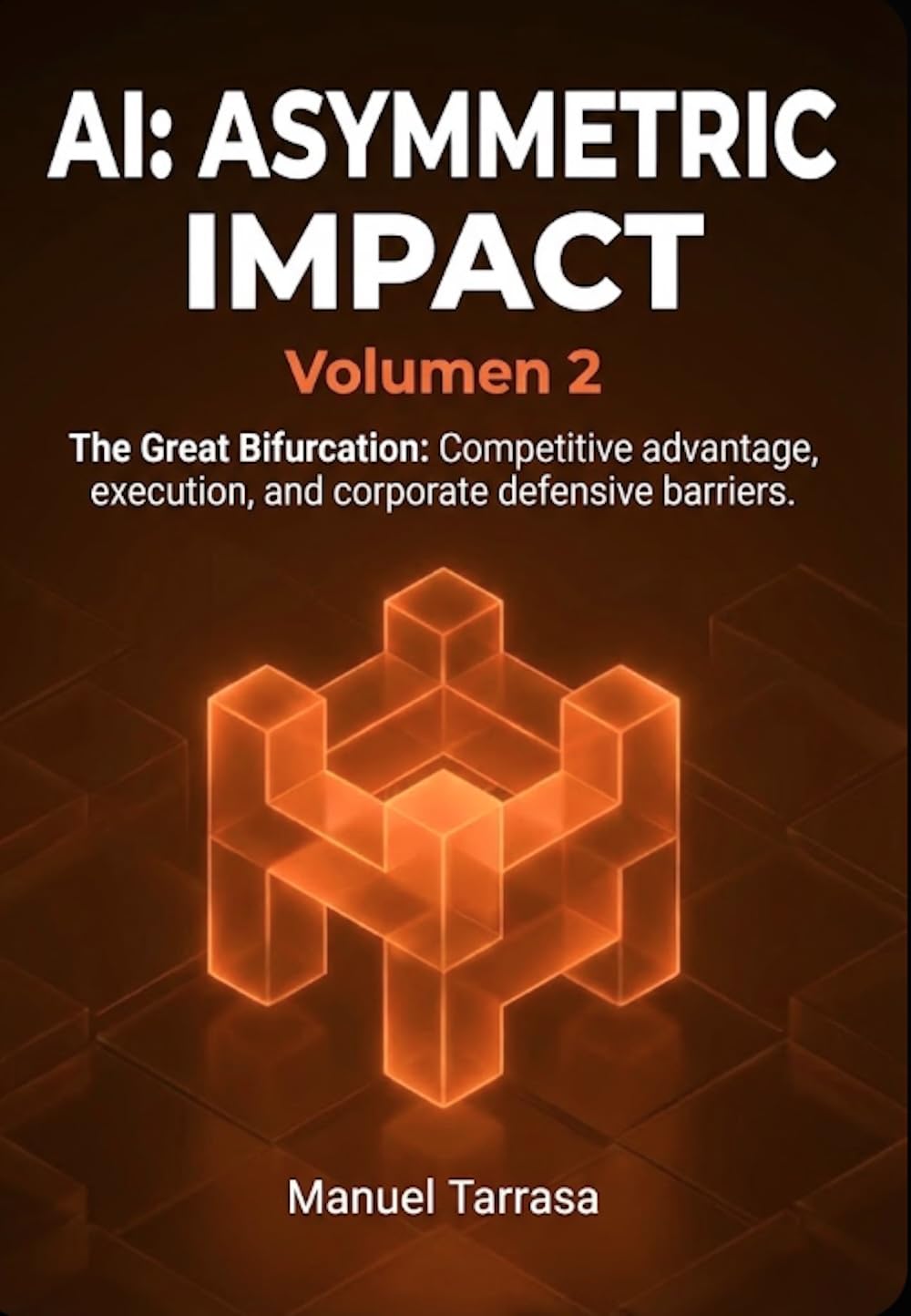
The same bifurcation seen from the boardroom: strategy, execution and defensive moats to reorganize a business around AI before your competitors do.
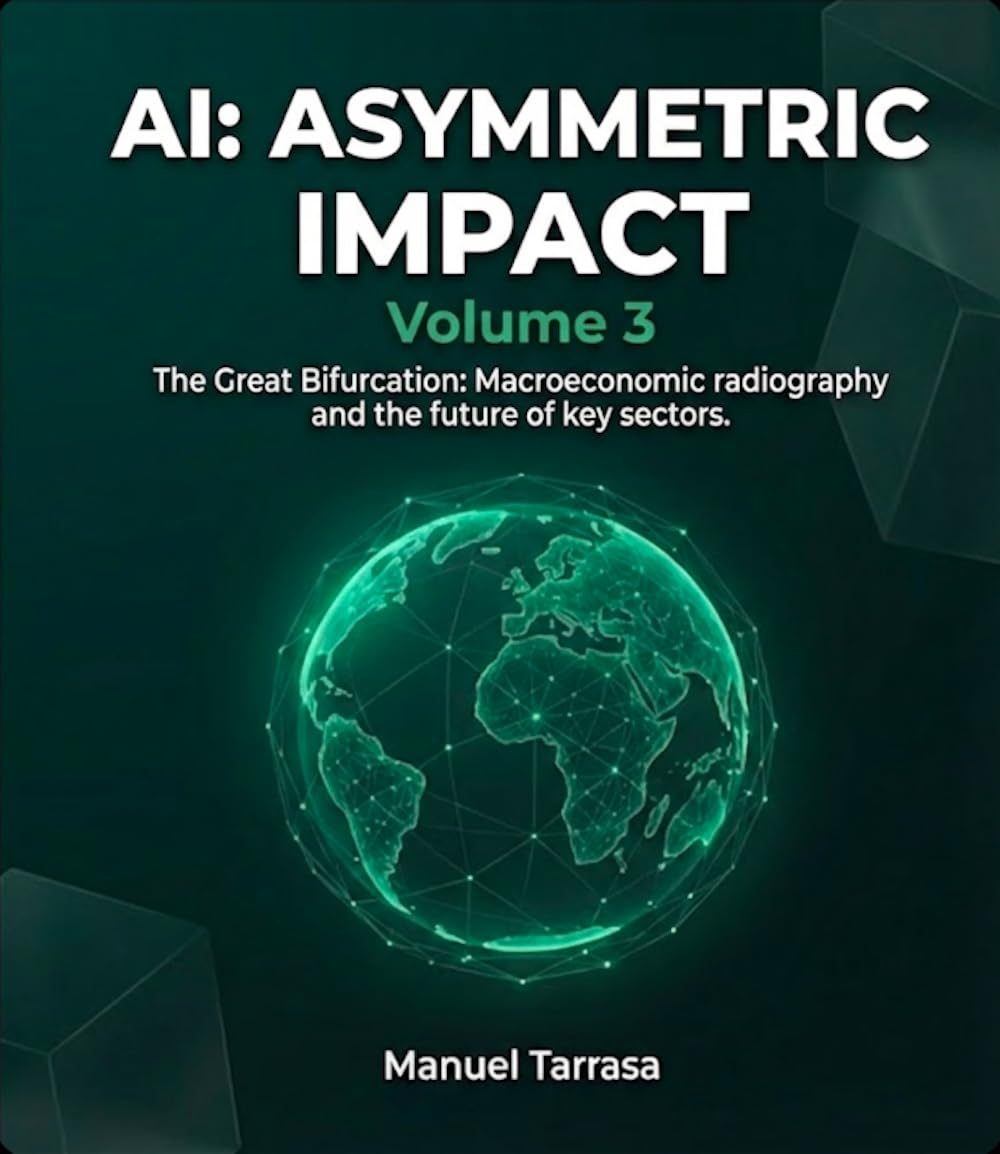
A macroeconomic, sector-by-sector X-ray of how AI redraws the global chessboard over the coming decade, with the human factor at the center.
As an Amazon Associate, Zendoric earns from qualifying purchases; the price does not change for you. · all our recommended books →
🔗 Related on Zendoric
- Claude Sonnet 5: Anthropic's bet is price, not raw performance — and that changes everything · 2026-07-01
- Sonnet 5: Anthropic targets the invisible bill of AI agents with an Opus-grade model at a Sonnet price · 2026-07-01
- Claude Fable 5: when 'safer' translates into 'less useful' and the market makes Anthropic pay for it · 2026-07-03
Sources & references
Get the analysis by email · free
One email a day analysing the AI essentials. Free, no spam, unsubscribe anytime.
We'll send you a confirmation email (double opt-in). Privacy.