TabFM: Google's foundation model for tabular data

🕒 Published on Zendoric: July 9, 2026 · 00:21
✨ AI-generated · how it's made
The email opens with a joke common in the machine learning world: that the field's most valuable model isn't a transformer, but an ensemble of gradient boosting trees (XGBoost-style) trained on a CSV.
📚 Go deeper
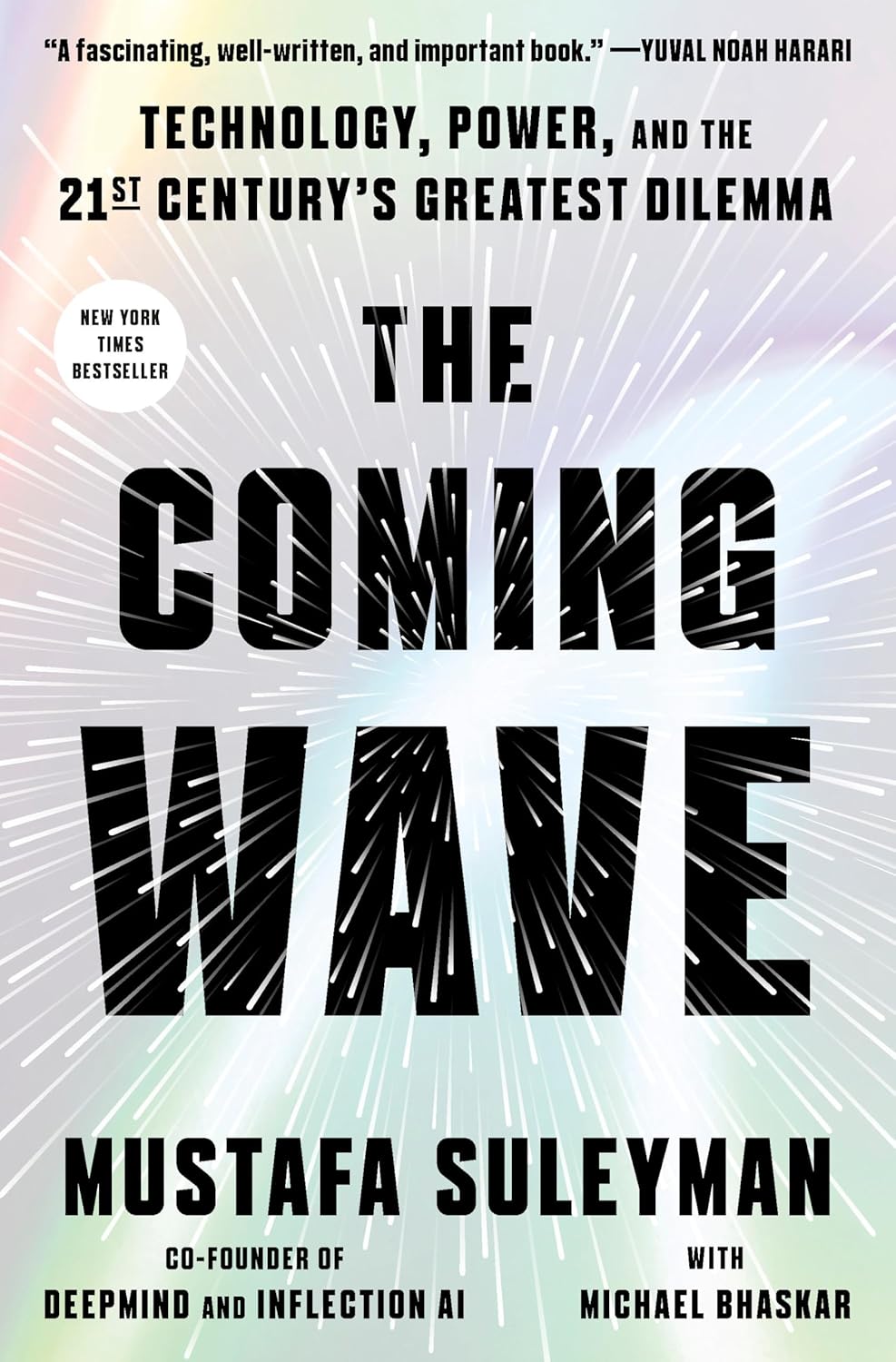
DeepMind co-founder on the dilemma of containing technologies that do not want to be contained.
As an Amazon Associate, Zendoric earns from qualifying purchases; the price does not change for you. · all our recommended books →
By TheSequence.
The email opens with a familiar joke in the machine learning world: that the most valuable model in the field is not a transformer, but a set of gradient boosting trees (XGBoost-style) trained on a CSV. According to the author, despite all the media hype around frontier models, the real workhorses of enterprise ML remain XGBoost pipelines predicting churn, fraud and credit risk over rows and columns. The workflow around these models has barely changed in a decade: load the table, engineer features, cross-validate, tune hyperparameters and repeat the ritual with each new dataset.
The article notes that Google Research has just taken direct aim at that ritual with TabFM, a model released a few days ago. It is described as a foundation model for tabular classification and regression capable of generating predictions on tables it has never seen before, in a single forward pass, with no need for training, hyperparameter tuning or feature engineering. It works by feeding it the entire problem at once —training rows, test rows, everything— as a single giant prompt, and the model responds. This is, according to the text, in-context learning but applied to spreadsheets.
The email points out that this approach is not an isolated novelty from the team: TabFM would follow the same 'playbook' as TimesFM, the time series foundation model from the same Google team, which reportedly became quietly one of the most widely deployed research artifacts the company has released. The author suggests that to properly understand TabFM you first need to understand that heritage with TimesFM, and the email is cut off just as it begins to develop that background ('The TimesFM prelude...'), so no further technical detail is available on the architecture, benchmarks or specific results of TabFM in the received body.
Before the technical content, the newsletter itself includes a note from the author explaining that TheSequence has been running for over two years without sponsors, despite receiving constant sponsorship offers, as a way to maintain its technical independence and objectivity, and invites readers to subscribe (free or paid) as a way to support it.
📚 Go deeper
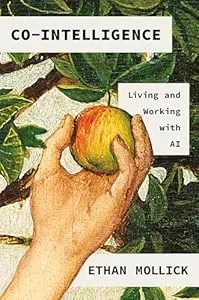
The best starting book if you're not technical: a Wharton professor explains how to work WITH AI — when to delegate, when to supervise, when to keep i
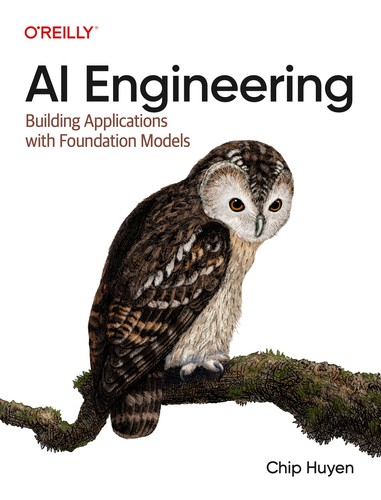
The reference manual for building products on top of AI models: prompts, RAG, fine-tuning, agents, evaluation and deployment.
As an Amazon Associate, Zendoric earns from qualifying purchases; the price does not change for you. · all our recommended books →
🔗 Related on Zendoric
- Garfield AI wins the first case in England: justice for 'small claims' finally finds a viable model · 2026-06-24
- From being unable to connect the robot to beating it 19 times in a year: AI enters the physical world without being trained for it · 2026-06-29
- What Hybrid AI is: how Microsoft, Apple, Google and Samsung split intelligence between device and cloud · 2026-07-05