Meta launches Muse Image, its first image-generation model from Meta Superintelligence Labs
🕒 Published on Zendoric: July 9, 2026 · 00:21
✨ AI-generated · how it's made
Meta has unveiled Muse Image, the first image-generation model developed by Meta Superintelligence Labs (MSL), the company's AI research unit.
📚 Go deeper
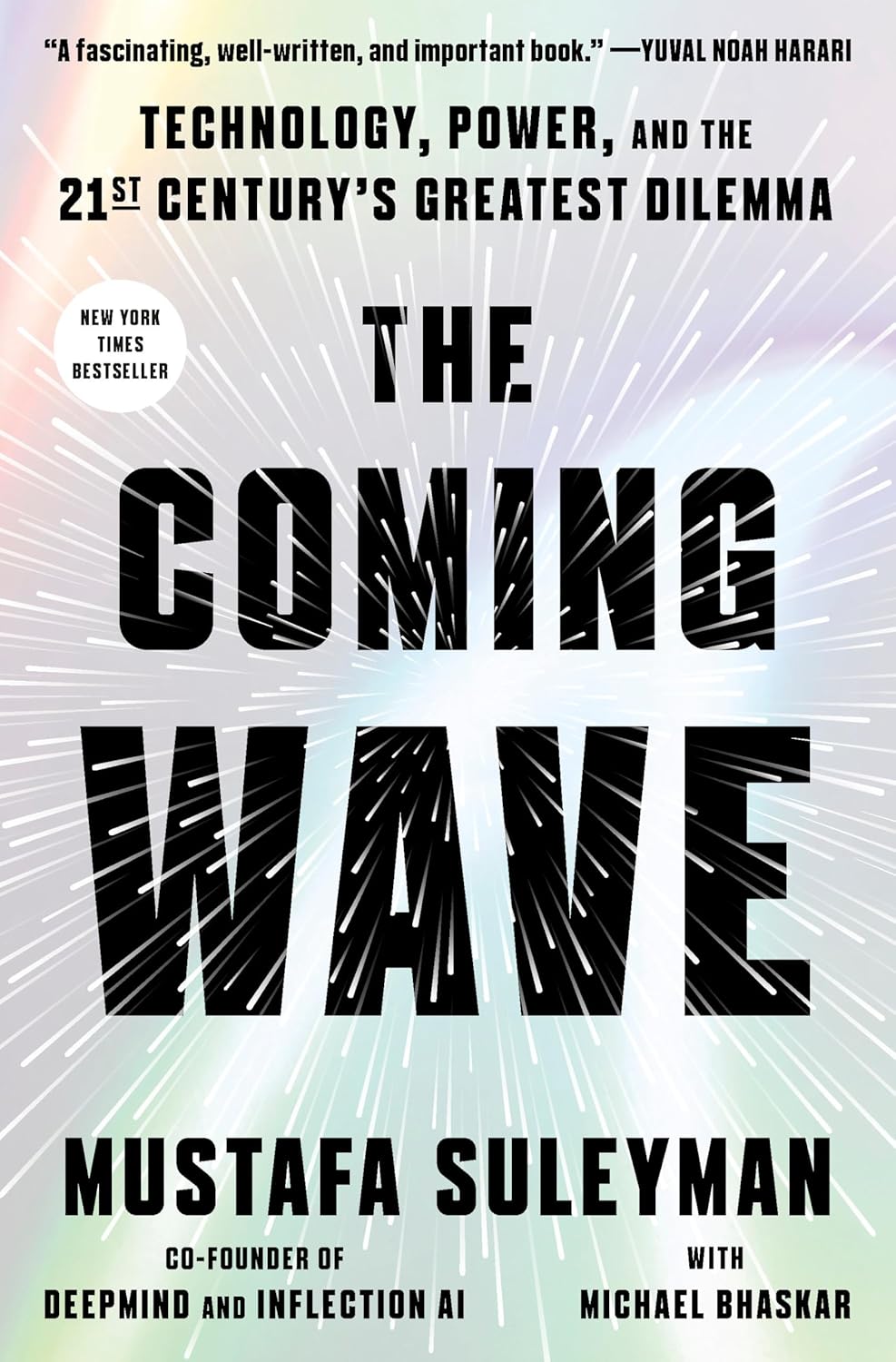
DeepMind co-founder on the dilemma of containing technologies that do not want to be contained.
As an Amazon Associate, Zendoric earns from qualifying purchases; the price does not change for you. · all our recommended books →
Meta has unveiled Muse Image, the first image-generation model developed by Meta Superintelligence Labs (MSL), the company's AI research unit. The model is already available within Meta AI and is positioned as a leap forward from Muse Spark, the conversational model that MSL itself launched months earlier (according to the article, in April 2026) to turn Meta AI into a 'smarter' assistant. If Muse Spark provided the understanding and conversation layer, Muse Image adds the ability to translate those conversations into high-quality images that the user can download and share directly to their feed, story or chat within Meta's apps.
The announcement insists that Muse Image is not a simple text-to-image generator, but a system that 'reasons' before creating: it plans the composition, can consult real-time context from the web, and intelligently combines several visual references at once (for example, mixing a photo of a pet with a famous painting, or combining a selfie with a vacation photo to generate a personalized postcard). This combination of reasoning (via Muse Spark) and generation (via Muse Image) is presented as the differentiating element compared to other image generators, since it allows starting from simple natural-language instructions —without the need for technical prompts— and obtaining results that integrate multiple real photos of the user.
Among the specific features detailed in the article, the following stand out: the generation of legible, well-integrated text within images (useful for infographics or step-by-step visual guides); a panel of 'presets' or suggested prompts to inspire those who do not know where to begin (restoring old photos, trying on trending hairstyles, becoming a claymation character or a 16-bit video game hero, among other examples that the article itself lists with dozens of real prompts); the ability to redesign a room from a photo by suggesting real products available on the web or on Facebook Marketplace; the option to @-mention Instagram accounts to incorporate public photos from a specific profile into a creation (for example, for event invitations or collaborative creative concepts), with an explicit control so that users can turn off having their content used in this way; and direct editing on the image via annotations or freehand strokes, keeping the full context of the conversation to continue refining the result without starting from scratch.
As for distribution, Meta explains that Muse Image already powers new creative tools in other apps of the group: more than 30 new AI effects for Instagram Stories and image generation directly in Meta AI chats on WhatsApp, the latter feature starting in a limited number of countries with progressive expansion. The article anticipates that it will soon also reach Facebook and Messenger, more surfaces within Instagram and WhatsApp, and —in the coming weeks— advertisers and agencies through Advantage+ creative, Meta's AI-based advertising suite. Basic use of Meta AI with Muse Image is free, although for more intensive use it is offered within Meta's paid subscription plans.
The announcement closes by positioning Muse Image as an intermediate step: while Muse Video would already be in development, Meta frames this entire rollout within its stated goal of advancing toward what it calls 'personal superintelligence,' that is, AI systems that adapt to each user's individual context (their photos, their accounts, their interests) rather than being generic tools.
From an analytical perspective, several points are worth noting. First, this is an official Meta press release (about.fb.com), so the tone is promotional and it contains no independently verifiable technical data (no benchmarks, model size, computational cost or objective comparisons with other image generators on the market are cited); everything summarized here consists of claims by the company itself. Second, the product strategy is consistent with the pattern Meta followed with Muse Spark: launch the model first within Meta AI and then distribute it as a cross-cutting layer across Instagram, WhatsApp, Facebook and Messenger, maximizing distribution thanks to its massive user base. Third, the feature of @-mentioning Instagram accounts to feed the generation with public photos of third parties is the most sensitive piece from a privacy standpoint; Meta presents it with an explicit opt-out, but does not detail in the article how that control is communicated to users whose photos could be used by others. Fourth, the incorporation into Advantage+ creative confirms that, beyond personal entertainment, the immediate commercial goal is the generation of advertising creatives at scale for advertisers, an area where Meta has long been betting heavily on generative AI. Overall, Muse Image consolidates Meta Superintelligence Labs as the company's engine for multimodal generative AI products, in a race where OpenAI, Google and other labs compete to integrate conversational, personalized image generation directly into mass-consumer applications.
📚 Go deeper

AI as the latest chapter in the history of information networks, from gossip to the printing press to the algorithm.
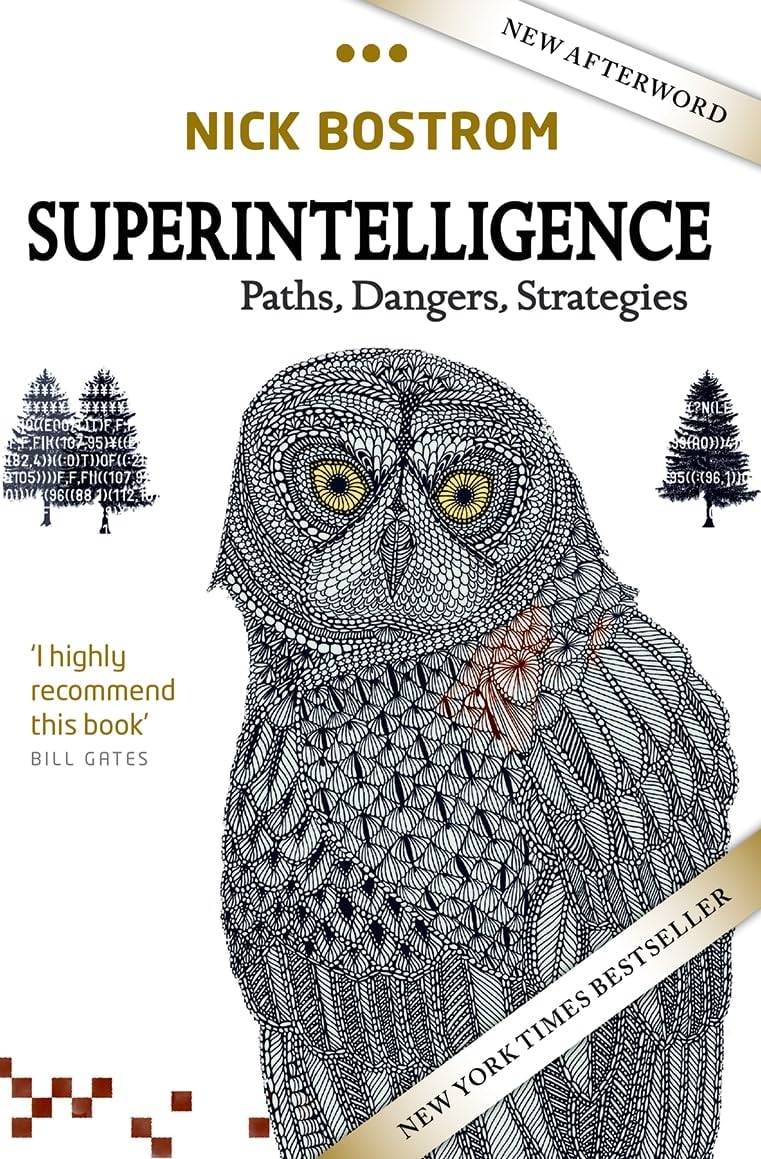
The book that started the existential-risk debate and that half the industry still cites.
As an Amazon Associate, Zendoric earns from qualifying purchases; the price does not change for you. · all our recommended books →
🔗 Related on Zendoric
- Scam.ai launches Halo, a deepfake detector for video calls that never leaves the computer · 2026-07-20
- Microsoft launches in-house AI models it says cut costs by up to 89% versus OpenAI · 2026-07-28
- Microsoft launches MAI-Cyber-1-Flash, its first AI model for cybersecurity, integrated into MDASH · 2026-07-29