Alibaba bans its employees from using Anthropic's AI tools after 'distillation attack' accusation
🕒 Published on Zendoric: July 9, 2026 · 00:21
✨ AI-generated · how it's made
Chinese e-commerce giant Alibaba has decided to ban its employees from using Anthropic's artificial intelligence tools for work purposes starting July 10.
📚 Go deeper
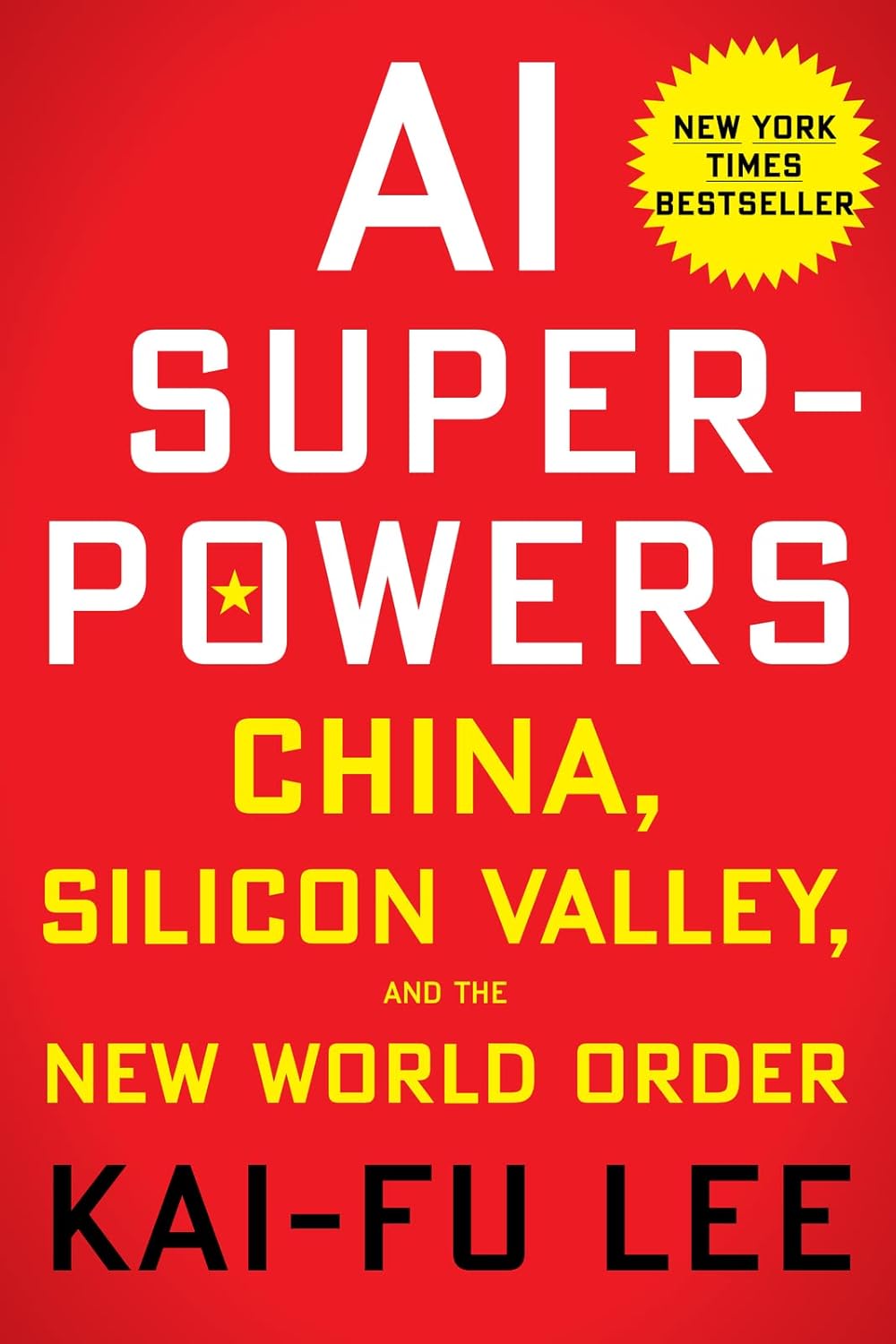
China vs.
As an Amazon Associate, Zendoric earns from qualifying purchases; the price does not change for you. · all our recommended books →
Chinese e-commerce giant Alibaba has decided to bar its employees from using Anthropic's artificial intelligence tools for work purposes as of July 10. According to sources familiar with the matter cited by CNBC, the company has added Claude Code, Anthropic's AI-assisted coding product, to a list of high-risk software, citing concerns about possible 'backdoor'-type security vulnerabilities. Alibaba employees will have to uninstall all of Anthropic's models and agent products and instead use Qoder, the Chinese company's own AI assistant.
The move comes as a direct response to a letter Anthropic sent in June to the U.S. Senate Committee on Banking, Housing, and Urban Affairs, in which it accused Alibaba of attempting to 'flagrantly' and 'unlawfully' extract its AI capabilities. Anthropic described what happened as 'the largest known distillation attack' to date against its models. Distillation, in this context, refers to the practice of using the responses of an advanced AI model to train or improve a rival model, a technique that has generated growing friction in the industry as U.S. AI labs seek to protect their technological edge against Chinese competitors.
The regulatory backdrop is also relevant: Anthropic's terms of service explicitly prohibit Chinese companies and other 'adversarial nations' from using its models. This policy had already been generating tension before the direct conflict with Alibaba, and the current episode exposes the practical difficulties of enforcing such restrictions within a globalized corporate ecosystem.
In fact, the article notes that Alibaba's ban comes amid a wave of negative reactions in China against Anthropic, fueled by posts on Reddit and GitHub alleging the existence of hidden code designed to detect whether users were connecting from Chinese territory. In parallel, the Financial Times reported that Anthropic is working to close loopholes that had allowed Chinese companies to access Claude through third countries, thereby circumventing the declared block. According to that reporting, Chinese fintech group Ant is said to have provided its employees with corporate Claude accounts accessible via the company's intranet, connected to its Singapore-based entity. Ant declined to comment on the matter.
The case of ByteDance, TikTok's parent company, is different: according to the Financial Times, the company does not provide direct access to Claude, but it did launch, as of April 2, a reimbursement program that allows its engineers to spend on personal subscriptions, accessible via virtual private networks (VPNs). A person close to the matter told CNBC that this policy seeks to encourage staff to 'experiment and learn' about a broader range of AI products to improve their skills. ByteDance also declined to comment on the information.
This episode clearly illustrates how the technological rivalry between the United States and China is moving directly into the arena of generative artificial intelligence, with companies on both sides erecting mutual access barriers while accusing the other side of unfair practices. On one hand, Anthropic is tightening its access restrictions citing national security risks and intellectual property protection; on the other, Alibaba responds with a corporate ban that also promotes the adoption of its own national alternative, Qoder, thereby reinforcing the trend toward replacing foreign technology with domestic solutions in the Asian giant.
Both Alibaba and Anthropic declined to comment on the matter when contacted by CNBC, which leaves several questions open: the real scope of the alleged 'distillation attack,' the legal or commercial consequences Alibaba could face, and whether other Chinese companies —beyond Ant and ByteDance— could be dragged into this same conflict over access and regulatory compliance. What is clear is that the standoff between Western AI labs and China's big tech firms over control and protection of the most advanced models is intensifying, with implications that go beyond the purely commercial and touch squarely on the geopolitics of technology.
📚 Go deeper
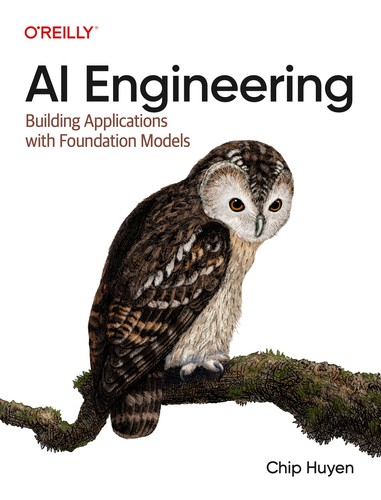
The reference manual for building products on top of AI models: prompts, RAG, fine-tuning, agents, evaluation and deployment.
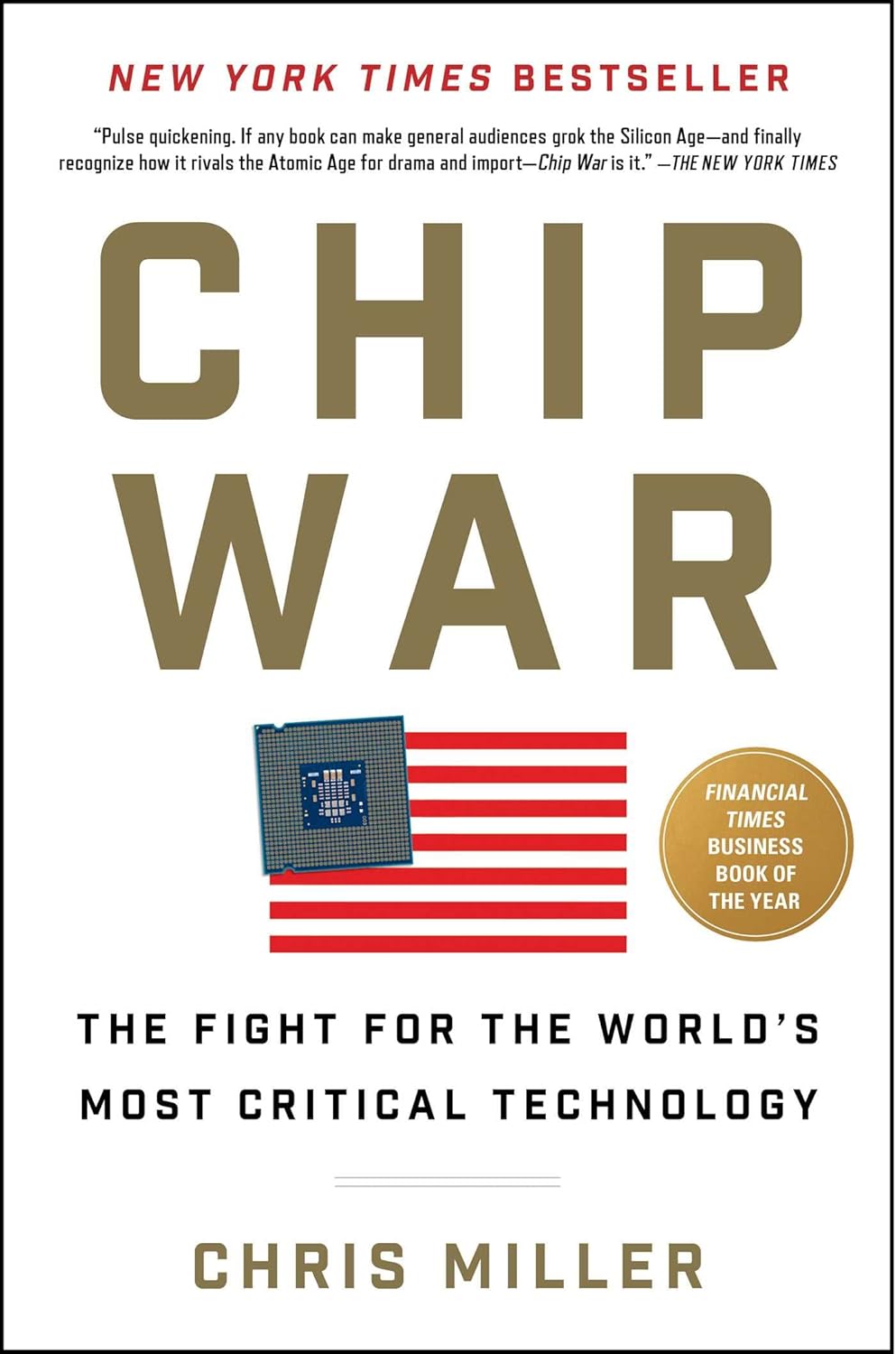
Semiconductors as the oil of the 21st century: history, espionage, and why an island of 23 million people underpins the entire AI economy.
As an Amazon Associate, Zendoric earns from qualifying purchases; the price does not change for you. · all our recommended books →
🔗 Related on Zendoric
- Alibaba bans Claude Code over hidden tracking of Chinese users; Anthropic responds by accusing it of mass distillation · 2026-07-05
- U.S. Treasury threatens sanctions against China's Moonshot over alleged distillation of Anthropic's Fable model · 2026-07-24
- Industrial-scale 'distillation' turns the API into a geopolitical battleground · 2026-06-27