Brazil opens another front: Amazon's investment in Anthropic comes under antitrust scrutiny

🕒 Published on Zendoric: July 9, 2026 · 00:21
✨ AI-generated · how it's made
Brazil's competition regulator is investigating whether the package of investment, cloud compute and infrastructure linking Amazon to Anthropic gives the former real control over the latter, beyond what is expected of a mere minority investor. It's the latest chapter in a global scrutiny of 'quasi-mergers' between cloud giants and AI labs.
📚 Go deeper

The story of NVIDIA and Jensen Huang: how a video-game card company ended up making the most coveted resource on the planet.
As an Amazon Associate, Zendoric earns from qualifying purchases; the price does not change for you. · all our recommended books →
By MLex · July 8, 2026. Brazil's competition regulator (Cade) has begun examining whether the relationship between Amazon and Anthropic —which combines a capital investment, commitments to consume AWS cloud infrastructure and hardware agreements— constitutes, in practice, something more than the position of a minority investor. The available information is still preliminary: this is an inquiry, not a formal charge or a sanction, and the material contains no details on timelines, exact scope or possible remedies.
The fact itself, however, fits a pattern we already know well. Regulators in the United Kingdom, the European Union and the United States have asked similar questions about Microsoft-OpenAI and about Amazon-Anthropic itself: when does a strategic investment plus an infrastructure contract stop being a simple commercial relationship and start functioning as effective control, thereby sidestepping the traditional merger filter? It's a legitimate question. The major cloud providers not only put money into generative AI labs: they also set which chips they use, how much computing capacity they are guaranteed and, ultimately, how much room to maneuver they have left against a client that is at once their main shareholder and their technological landlord.
That it is Brazil making a move now is significant in itself. Emerging markets have long watched how these cases are resolved in Washington and Brussels before acting, and an inquiry of Cade's own indicates that concern over the concentration of power in AI infrastructure is no longer exclusive to the regulators of the global north. For Anthropic, which needs Amazon's computing muscle to train and serve its models at scale, any scrutiny that touches on that relationship is delicate: the company depends on that capital and that infrastructure continuing to flow without conditions that complicate its editorial and technical independence from its investors.
Our reading is that these kinds of cases are the real regulatory battleground of the AI era, more so than abstract discussions about superintelligence. As we noted when analyzing the rapprochement between Google and Microsoft against OpenAI and Anthropic, the underlying dispute is no longer just about which model is smartest, but about who controls the 'plumbing' —cloud, chips, capital— on which everyone depends. The more regulators, in more jurisdictions, begin to ask these questions, the more likely we are to see contractual adjustments (governance clauses, limits on compute exclusivity, transparency about decision-making) that will not slow the AI race, but will force it to operate with more checks and balances. In the long run, that kind of oversight is not an obstacle to the abundance AI promises, but a condition for that abundance not to be captured by a handful of players who simultaneously control capital, the cloud and the models.
📚 Go deeper
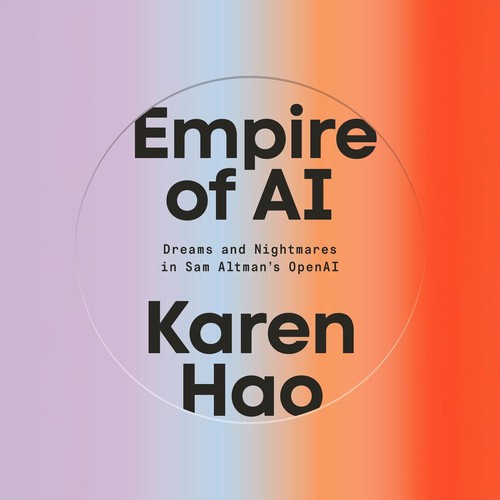
The definitive piece of investigative journalism on OpenAI: 260+ interviews, the clash between safety and speed, and the attempted firing of Sam Altma
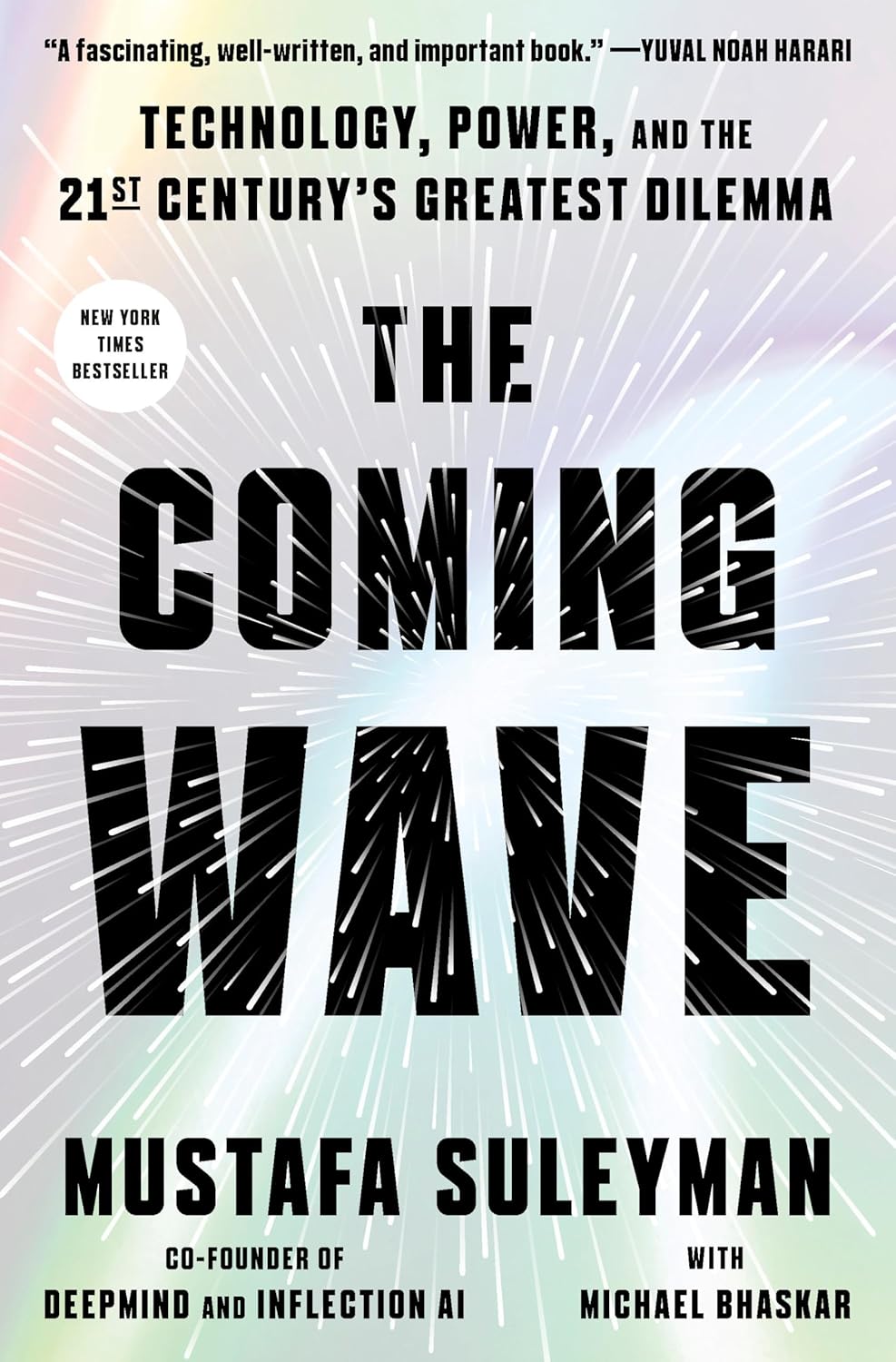
DeepMind co-founder on the dilemma of containing technologies that do not want to be contained.
As an Amazon Associate, Zendoric earns from qualifying purchases; the price does not change for you. · all our recommended books →
🔗 Related on Zendoric
- The US$1.8B contract between Anthropic and Akamai reveals where AI's next battle is being fought: infrastructure · 2026-07-04
- Anthropic hires the woman who opened the Pentagon to Amazon's cloud: it wants to be the next federal infrastructure · 2026-07-23
- Amazon closes its AGI Lab after 18 months: it would rather own the toll road than win the model race · 2026-07-27