'Vibe coding' arrives at auto finance: coders with no coding experience program with AI in regulated finance
🕒 Published on Zendoric: July 8, 2026 · 09:15
✨ AI-generated · how it's made
An auto finance company, Arivo Acceptance, has assigned a team of interns with no programming experience to build software by describing what they need to Claude or Copilot. The case illustrates how agentic AI and 'vibe coding' are starting to creep into underwriting, compliance and collections, an area where the margin for regulatory error is minimal.
📚 Go deeper
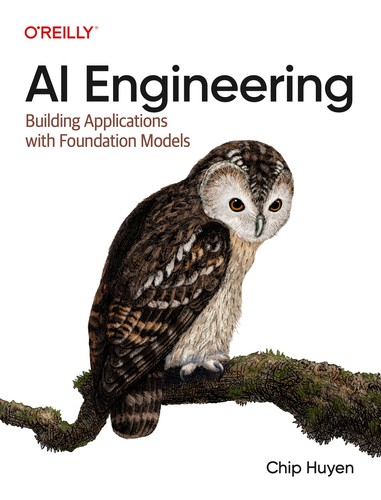
The reference manual for building products on top of AI models: prompts, RAG, fine-tuning, agents, evaluation and deployment.
As an Amazon Associate, Zendoric earns from qualifying purchases; the price does not change for you. · all our recommended books →
By Auto Finance News · July 7, 2026. The case reported by the publication is as specific as it is revealing: Arivo Acceptance, an auto finance company, set up a five-person 'Beta Team'—mostly interns with no programming background—to develop software in-house. Their method: explain to models like Claude or Microsoft Copilot what they need, and let the AI write the code. It's the practice known as 'vibe coding' landing in a sector as heavily regulated as auto lending, where, according to the article itself, most of the financial services industry already devotes up to 30% of its IT budget to AI.
The available material is limited—the original article is behind a paywall and we only have the opening of the piece—but the underlying fact already says a lot: when a finance company decides that interns with no technical experience can build underwriting, compliance and collections tools with the help of a language model, it is implicitly acknowledging that the barrier to entry for software development has collapsed. You don't need to know how to program to produce functional code; you need to know how to describe the problem precisely and, above all, how to verify that what the AI builds complies with regulations.
That's the nuance worth keeping in view. In consumer finance, underwriting (deciding who gets a loan and on what terms), compliance and collections are processes with audits, legal requirements and direct consequences for real people if something goes wrong—a biased model that penalizes a particular group, a collections tool that skips consumer protections. Democratizing software creation in that context is a double-edged sword: it accelerates innovation and cuts costs, but it shifts the responsibility for oversight from specialized engineers to junior teams who depend on the AI 'getting right' things they themselves couldn't verify line by line.
This pattern connects with something we've been observing in other regulated sectors: the real value of generative AI lies not so much in replacing expert judgment as in brutally compressing the iteration times of processes that previously required weeks of coordination between technical and compliance teams. If that is also confirmed in auto finance—and the fact that Auto Finance News devotes recurring coverage to this transition, with mentions of other companies such as Credit Acceptance, Global Credit Union or providers like Cosmos AI and KredosAI, suggests this is not an isolated case but a sector-wide trend underway—we are witnessing a reconfiguration of who within a financial organization can 'build' technology, not just use it.
In the short term, this will probably accelerate regulatory friction: consumer credit regulators will have to decide whether to demand the same code and model auditing standards for tools 'vibe-coded' by interns as for software developed by certified engineering teams. In the medium term, however, the underlying logic—that any employee with business knowledge can translate that knowledge into functional tools without depending on backed-up development queues—is exactly the kind of operational abundance that turns processes once slow and costly into fast and cheap ones, freeing senior technical teams for higher-value problems. The key, as always in regulated sectors, will not be whether AI can write the code, but whether institutions build the governance needed to ensure that code, written by whoever writes it, complies with what the law and consumers require.
📚 Go deeper
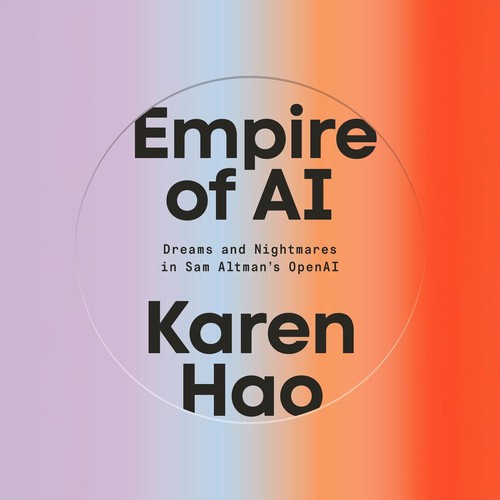
The definitive piece of investigative journalism on OpenAI: 260+ interviews, the clash between safety and speed, and the attempted firing of Sam Altma
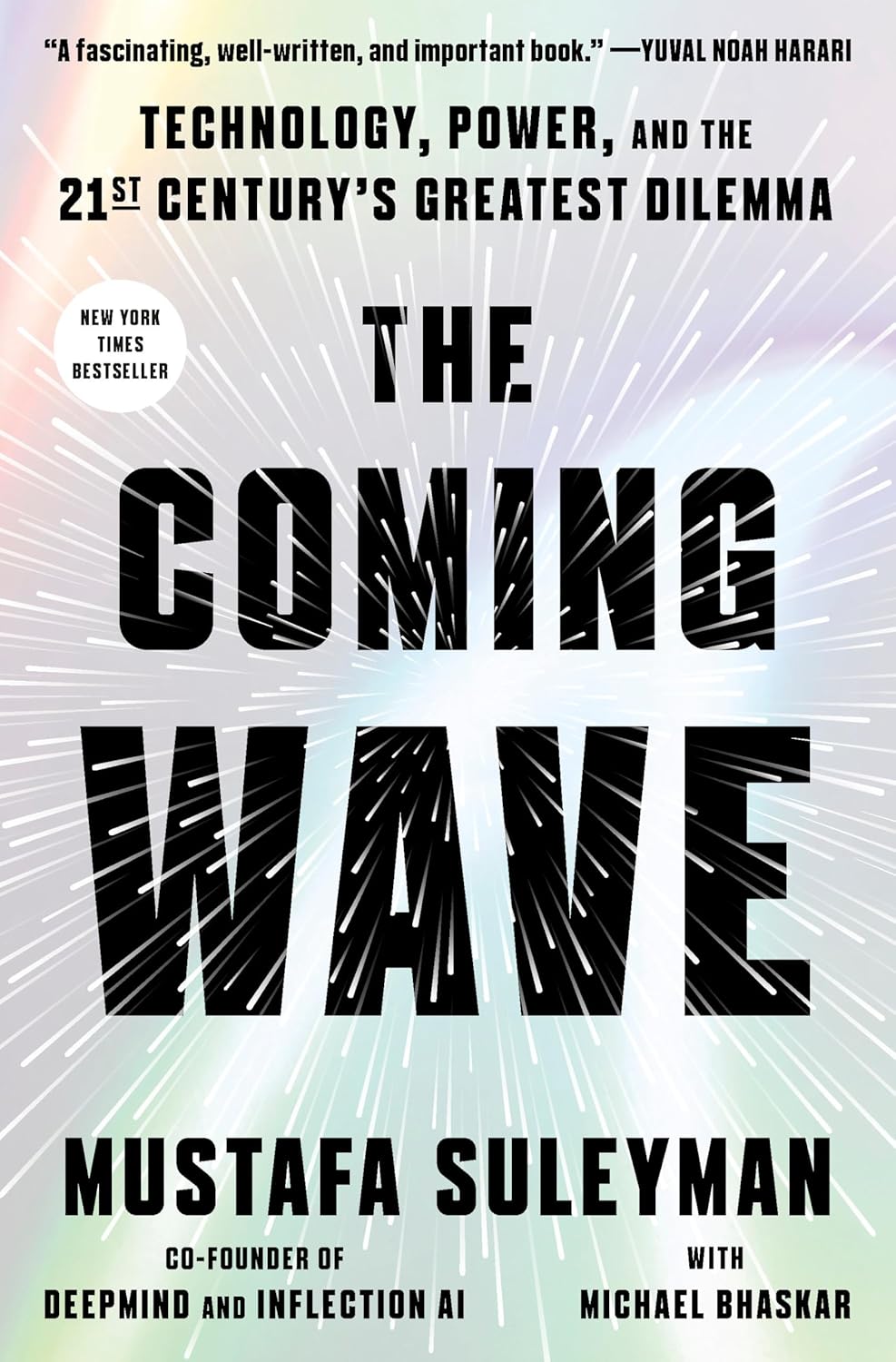
DeepMind co-founder on the dilemma of containing technologies that do not want to be contained.
As an Amazon Associate, Zendoric earns from qualifying purchases; the price does not change for you. · all our recommended books →
🔗 Related on Zendoric
- Claude Science: Anthropic takes aim at the heart of science and health with a dedicated product · 2026-07-01
- With no coding background, he connects his insurance agency to AI agents: this is how agentic commerce begins · 2026-07-11
- Claude Code no longer reads the web, it sees it: the built-in browser and the race to control the coding agent · 2026-07-14