Meta's Wireless Brain-to-Text System Signals the Next Interface War Isn't About Screens
🕒 Published on Zendoric: July 8, 2026 · 09:15
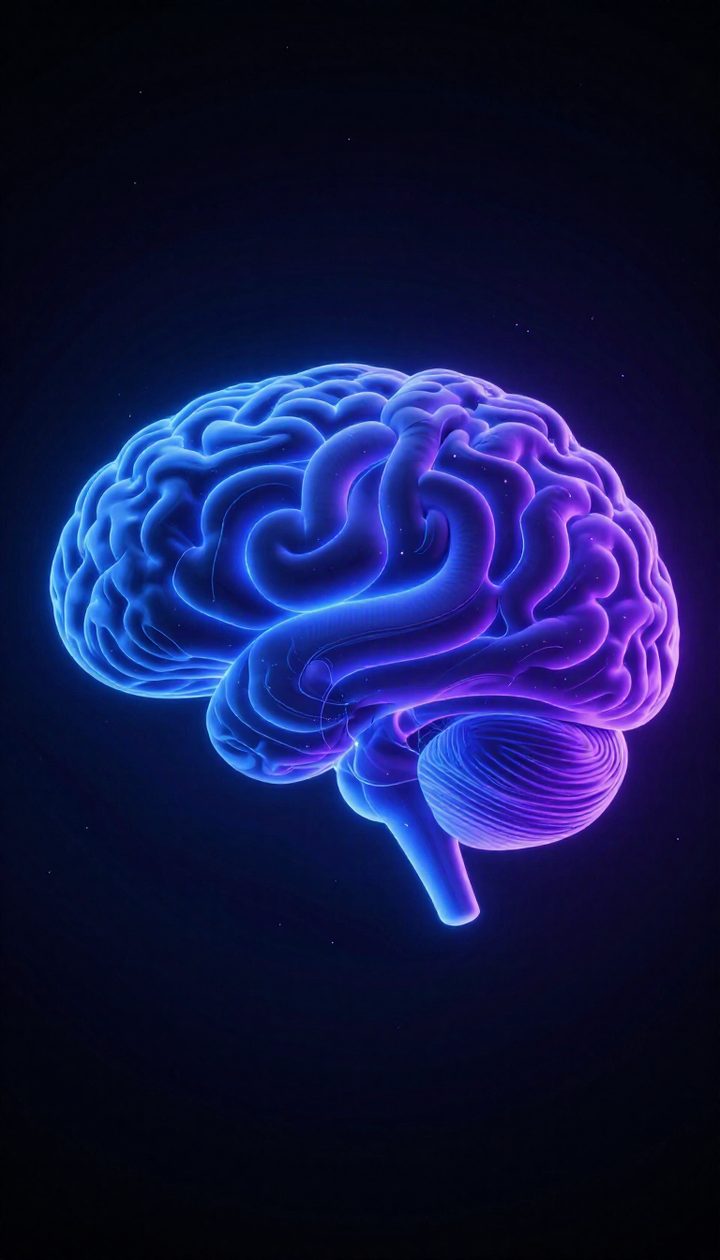
Meta says its Brain2Qwerty v2 can turn brain activity into text using external magnetic-field sensors, no implants or wires required. If it holds up outside the lab, it reframes the human-computer interface race as a hardware problem AI has quietly solved on the software side.
📚 Go deeper

The reference manual for building products on top of AI models: prompts, RAG, fine-tuning, agents, evaluation and deployment.
As an Amazon Associate, Zendoric earns from qualifying purchases; the price does not change for you. · all our recommended books →
We'll send you a confirmation email (double opt-in). Privacy.
Meta's announcement centers on a non-invasive brain-reading system that reportedly decodes language from neural activity using MEG (magnetoencephalography) sensors placed outside the skull, paired with AI models trained to translate those magnetic signals into text. Unlike Neuralink-style approaches, there's no surgery, no implant, no wires under the skin — just external sensors and a decoding model doing the heavy lifting.
The headline claim is notable less for the biology than for the AI. Brain signals are famously noisy and highly individual; getting a model to generalize decoding across sessions, let alone across people, has historically required either invasive electrodes for cleaner data or narrow, subject-specific calibration. If Meta's decoder genuinely handles this from external MEG readings, it's another instance of AI compressing a problem that used to require better sensors into one that mostly requires a better model — the same pattern we've seen in medical imaging, protein folding, and voice synthesis.
The practical caveats are real and worth stating plainly: MEG hardware today is bulky, expensive, and typically confined to shielded rooms, which is a long way from a consumer headset. A demo of accurate decoding in controlled lab conditions is not the same as a robust, portable product — and Meta has not shared the kind of independent, peer-reviewed validation that would let us judge accuracy claims against real-world noise, distraction, or diverse populations.
Our reading: this belongs in the long-run bucket of AI expanding what's medically and practically possible, not the near-term news cycle. Non-invasive brain-computer interfaces, if they mature, could eventually help people with paralysis or speech disorders communicate without surgery — a meaningfully lower-risk path than implants. That's consistent with the broader thesis we keep returning to: AI's biggest wins compound in health and accessibility, even when the initial announcement looks like a novelty demo. The transition from lab result to usable device will likely take years, and skepticism about timelines is warranted — but the direction, sensors plus AI decoding rather than surgery plus electrodes, is the right one to root for.
📚 Go deeper

The story of NVIDIA and Jensen Huang: how a video-game card company ended up making the most coveted resource on the planet.
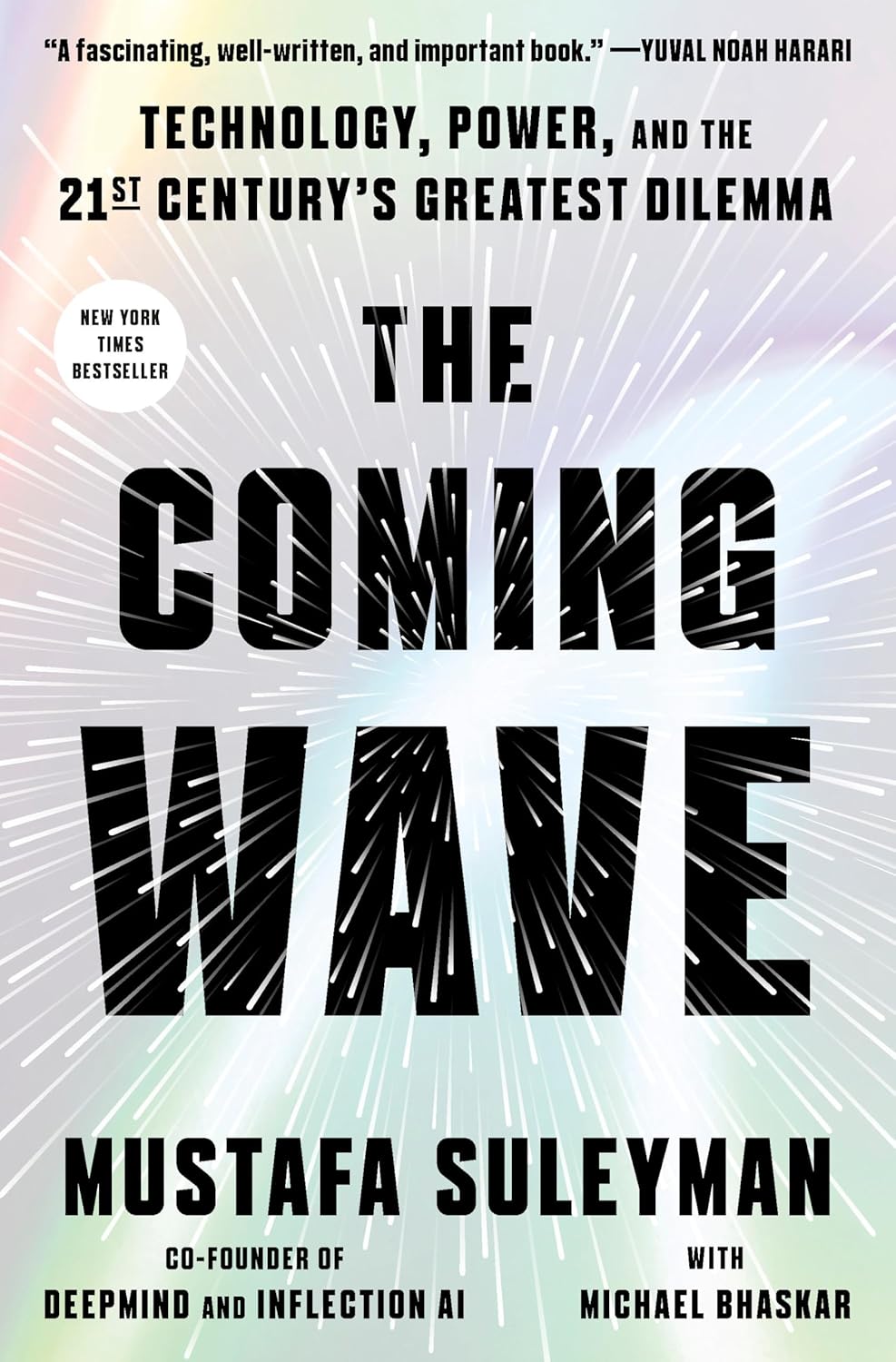
DeepMind co-founder on the dilemma of containing technologies that do not want to be contained.
As an Amazon Associate, Zendoric earns from qualifying purchases; the price does not change for you. · all our recommended books →
🔗 Related on Zendoric
- Self-driving labs: when AI stops running experiments and starts deciding them · 2026-06-27
- AI glasses in exams: when cheating beats the top 5 of the class, the assessment system has a bigger problem · 2026-06-28
- Anthropic Pays Workers $85K to Learn AI — and Quietly Signals Where Jobs Are Headed · 2026-06-24
Sources & references
Get the analysis by email · free
One email a day analysing the AI essentials. Free, no spam, unsubscribe anytime.
We'll send you a confirmation email (double opt-in). Privacy.