Anthropic spied on Chinese Claude Code customers to detect 'distillation' of its AI by rivals

🕒 Published on Zendoric: July 8, 2026 · 09:15
✨ AI-generated · how it's made
This Washington Post article is protected by a paywall: the downloaded content is only a teaser (headline, lead paragraph and byline), followed entirely by the site's navigation menus.
📚 Go deeper
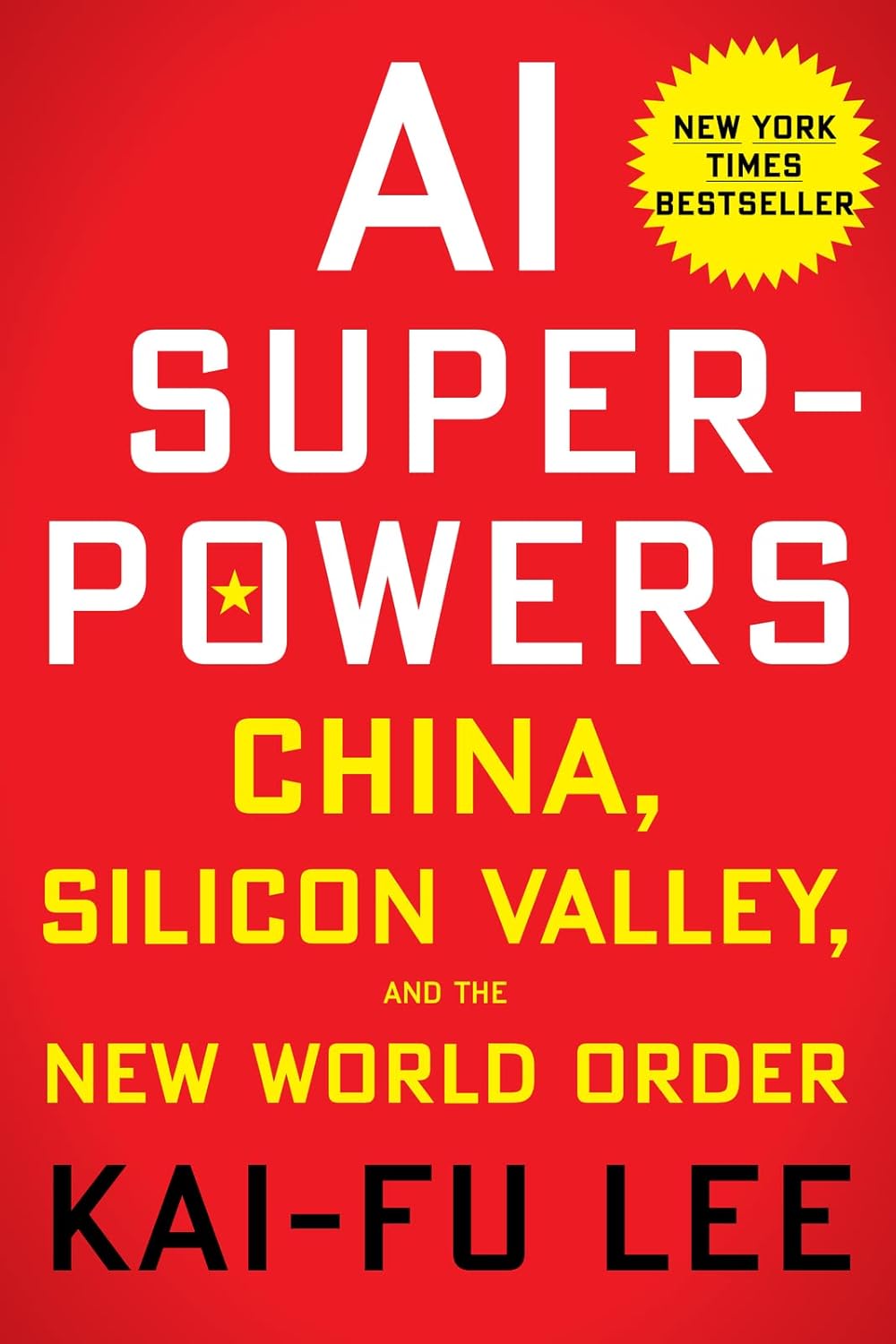
China vs.
As an Amazon Associate, Zendoric earns from qualifying purchases; the price does not change for you. · all our recommended books →
This Washington Post article is behind a paywall: the downloaded content is only a teaser (the headline, the lead and the byline), followed in its entirety by the site's navigation menus. There is no access to the body of the report, so this summary is limited strictly to the little that can indeed be read, without inventing additional details.
What the teaser reveals is the following: in March (of 2026, judging by the context of the article, published on July 6, 2026), Anthropic reportedly quietly deployed software to monitor customers in China who were using its coding chatbot Claude Code. The stated goal, according to the text, was to identify Chinese rivals that the company suspected were using its technology to 'train' or improve their own AI systems, improperly appropriating Claude's capabilities.
The full headline of the report is 'Inside the secret AI war between Silicon Valley and China,' with the subtitle: 'American tech firms say rivals are forcing their chatbots to act as tutors to make Chinese AI smarter.' The piece is bylined by Cate Cadell, Gerrit De Vynck and Nitasha Tiku, three Post journalists, and the article's focus appears to combine the business dimension (competition among AI labs) with that of national security (the technological rivalry between the U.S. and China).
The available material offers no details on what type of 'surveillance software' was allegedly used, which specific Chinese companies would be under suspicion, how Anthropic reacted after detecting the alleged misuse, or whether the company withdrew or still maintains that detection tool. Nor can it be confirmed, based on this fragment, the reference that appeared in the short headline of the newsletter from an external source ('A hidden tracker in Claude Code has been exposed and removed'): that claim could correspond to the later development of the full article, but it does not appear corroborated in the text accessible here, so it should not be taken as accurate without the complete source.
In short: this is a relevant story about the tensions between the major U.S. AI labs and their Chinese competitors over the practice of model 'distillation' (using a more advanced model's responses to train one's own cheaper model), and about the measures —in this case, allegedly active surveillance of users— that a company like Anthropic would have taken to protect its intellectual property. To understand the real scope of the accusation, the technical mechanisms employed and the response of the parties involved, it would be necessary to access the full article behind the Washington Post's paywall.
📚 Go deeper

The reference manual for building products on top of AI models: prompts, RAG, fine-tuning, agents, evaluation and deployment.

Semiconductors as the oil of the 21st century: history, espionage, and why an island of 23 million people underpins the entire AI economy.
As an Amazon Associate, Zendoric earns from qualifying purchases; the price does not change for you. · all our recommended books →
🔗 Related on Zendoric
Sources & references
- washingtonpost.com — Anthropic spied on Chinese Claude Code customers to detect 'distillation' of its AI by rivals
- arstechnica.com — Anthropic secretly removes a hidden tracker in Claude Code that monitored Chinese users
- Anthropic News (GN) — Anthropic hid an anti-China tracker in Claude Code: when ethics becomes a brand and the brand becomes a liability
- axios.com — Anthropic says Claude has a hidden internal space ('J-Space') where it thinks without words