Internal US Treasury report compares the AI bubble to the 'dot-com' collapse

🕒 Published on Zendoric: July 8, 2026 · 09:15
✨ AI-generated · how it's made
An internal report prepared by career analysts at the US Treasury Department, obtained by NOTUS, warns of the risks posed by the artificial intelligence market, comparing some of its features to the 'dot-com' bubble that burst in the early 2000s.
📚 Go deeper

The best starting book if you're not technical: a Wharton professor explains how to work WITH AI — when to delegate, when to supervise, when to keep i
As an Amazon Associate, Zendoric earns from qualifying purchases; the price does not change for you. · all our recommended books →
An internal report prepared by career analysts at the U.S. Treasury Department, obtained by NOTUS, warns about the risks posed by the artificial intelligence market, comparing some of its features to the dot-com bubble that burst in the early 2000s. The document contrasts sharply with the public rhetoric of the Trump administration, which has promoted massive AI investment as an engine of exponential growth without qualification.
According to the report, AI companies are today more deeply intertwined with the U.S. economy than the dot-coms were, which implies greater systemic risk if financial conditions change, productivity targets are not met, or bottlenecks emerge that slow the sector's growth. The analysts note that, although the bursting of an eventual AI bubble would produce a smaller immediate impact than the dot-com crash, it would indeed trigger a more prolonged economic slowdown: cuts in investment, loss of investor confidence, and lower overall growth.
The report identifies multiple points of contagion: stock markets, private credit markets, data-center financiers, cloud service providers, chip manufacturers, and electric power companies would all be affected by a slowdown in the sector. Unlike the dot-coms, the major AI companies are today more mature, profitable, and have stronger balance sheets, which could cushion the blow. However, the analysts warn that investors are taking on such significant risks that much of the financial system now depends on AI meeting productivity and profitability expectations that are not yet guaranteed.
A key point of the analysis is the growing concentration of the sector in a handful of firms, its heavy reliance on funding from private markets, and its intensive investment in infrastructure —particularly data centers—. Supply-chain problems, geopolitical tensions, limitations in electricity generation, and shortages in public utilities could slow the sector's momentum. Added to this is that, unlike the dot-com boom, fewer retail investors are involved in AI, so a sustained downturn would hit institutional investors harder, who are considered fundamental to overall economic stability.
A Treasury spokesperson moved to dismiss the report, calling it 'unverified' and not representative of the agency's official position, reaffirming that AI will be 'a key engine of America's new Golden Age.' Treasury Secretary Scott Bessent himself has publicly praised the $750 billion investment that the big tech companies will devote to AI infrastructure this year, comparing the current moment favorably with the dot-com boom and suggesting that productivity should at least match —or exceed— that of that era. For Bessent, the main risk is not an eventual financial bubble, but that China will win the technology race against the United States, a stance that —as he recounted— surprised other G7 leaders who raised concerns more focused on security and job losses.
The article also mentions that concern over a possible AI bubble has grown over the past year among lawmakers, Wall Street watchers, think tanks, and even among prominent figures within the AI industry itself. Institutions such as the Bank of England and the IMF have also warned about the overvaluation of companies in the sector. On the political front, Democratic Senator Elizabeth Warren and other lawmakers have requested non-public data from the Treasury to prepare an analysis of the risks of a possible 'debt bubble' linked to AI, and are pushing legislation to require financial firms to report their exposure to this type of investment.
Taken together, the NOTUS report highlights a gap between the Trump administration's optimistic public rhetoric on AI and the more cautious concerns its own technical analysts handle internally, in a context where the debate over the financial sustainability of the artificial intelligence boom is gaining ever more ground in both political and economic circles.
📚 Go deeper
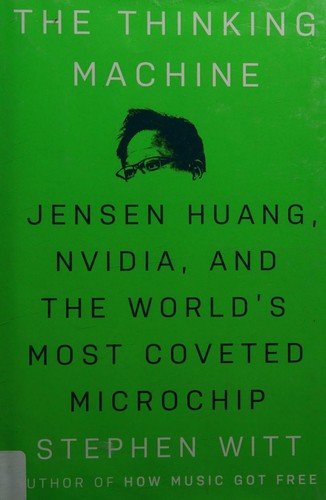
The story of NVIDIA and Jensen Huang: how a video-game card company ended up making the most coveted resource on the planet.
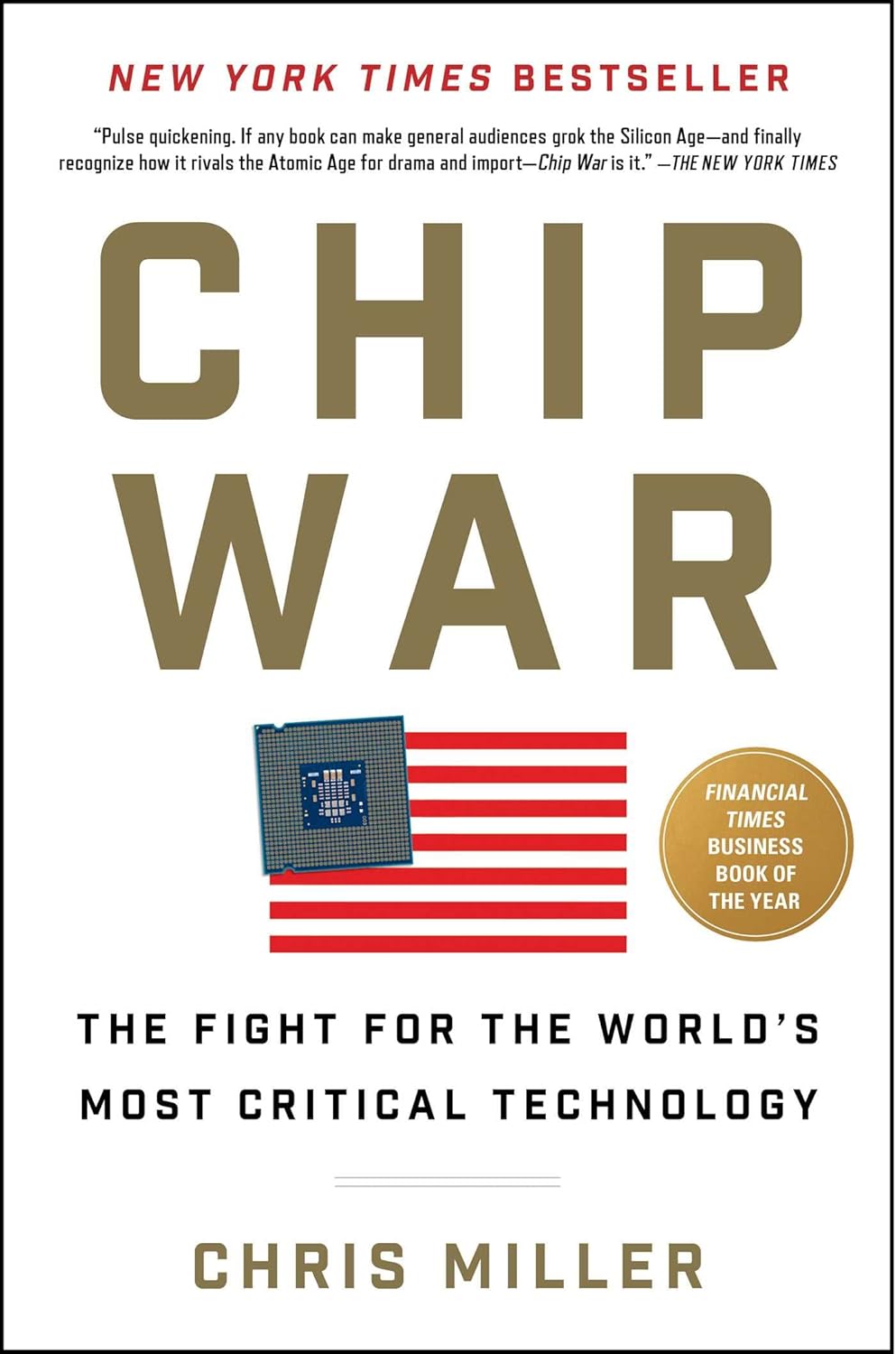
Semiconductors as the oil of the 21st century: history, espionage, and why an island of 23 million people underpins the entire AI economy.
As an Amazon Associate, Zendoric earns from qualifying purchases; the price does not change for you. · all our recommended books →
🔗 Related on Zendoric
- A hospital claims to be a pioneer in using AI to detect infections earlier: the promise matters more than the headline · 2026-07-15
- When AI doesn't lay off but cheapens: the ILO points to wages, not unemployment, as the first symptom · 2026-07-18
- Medellín teaches AI to teenagers through urban music: literacy, not just the model, is the race that matters · 2026-07-21