The FTC hints that correcting racial bias in medical AI could be 'illegal': a regulatory shift that warrants caution

🕒 Published on Zendoric: July 7, 2026 · 03:25
✨ AI-generated · how it's made
FTC officials suggest that state laws requiring the correction of algorithmic discrimination in health care could constitute an illegal deceptive practice unless explicitly disclosed. The approach reverses the usual logic of patient protection and opens an unprecedented front between Washington and the states.
📚 Go deeper

The definitive piece of investigative journalism on OpenAI: 260+ interviews, the clash between safety and speed, and the attempted firing of Sam Altma
As an Amazon Associate, Zendoric earns from qualifying purchases; the price does not change for you. · all our recommended books →
By BenefitsPRO · July 6, 2026. As reported by BenefitsPRO, officials at the U.S. Federal Trade Commission (FTC) have suggested that state laws aimed at preventing algorithmic discrimination in healthcare artificial intelligence could clash with federal rules against deceptive practices. The thesis, as summarized in the article, is as follows: if a state requires an insurer or a healthcare provider to adjust the output of an AI system to correct biases —for example, to prevent it from systematically penalizing certain groups in the approval of treatments or coverage—, that could be considered an alteration with 'ideological goals,' and therefore a form of illegal deceptive conduct under federal jurisdiction. The caveat these officials note is that an AI service could indeed apply ideologically based rules if it discloses this 'conspicuously' to the user.
It is important to underline the limits of what we know: the available material is sparse, with no direct quotes from the officials or specific names, and without it being clear whether this is an official agency position, an opinion from some commissioners, or a trial balloon ahead of ongoing litigation. That is why it should be treated as a signal of regulatory intent, not as a rule already in force. That said, the very existence of this debate is relevant: it shifts the focus from 'how do we prevent AI from discriminating in healthcare' toward 'who has the authority to require that it not do so,' a turn with immediate practical consequences for insurers, hospital systems and developers of clinical tools that already operate under state bias-audit mandates.
Context matters. In recent years, several U.S. states have advanced laws requiring insurers and healthcare providers to audit their decision-making algorithms —from triage to claims approval— to detect and correct discriminatory patterns by race, gender or zip code, a problem repeatedly documented in the literature on AI applied to health (models trained on historical data inherit and amplify prior inequalities in access). For a federal regulator to suggest that this correction, in itself, could be an act of 'ideological' manipulation of the output —unless the user is warned— turns a technical problem of algorithmic fairness into a problem of political framing. It is a reading that prioritizes the algorithm's formal neutrality over the material outcome it produces, and that is exactly where the debate becomes delicate: the neutrality of a system trained on biased data is not real neutrality, it is the automated perpetuation of the status quo.
Our reading: this episode fits something we have already noted at Zendoric —the greatest regulatory risk of AI is not just the lack of rules, but poorly calibrated rules that confuse evidence-based governance with ideological disputes. If the correction of discriminatory biases in health becomes trapped in the category of 'output manipulation,' the practical effect in the short term would be to discourage states and companies from auditing and adjusting their systems, precisely in the field —health— where algorithmic bias has the most direct consequences for diagnosis, treatment and survival. In the long term, our underlying thesis remains that AI can be an extraordinary force for democratizing access to health and bringing us closer to eradicating diseases, but that horizon is only reached if the systems we choose to scale are auditable and correctable when they fail. A regulatory framework that treats the correction of discrimination as the problem, rather than the symptom, delays precisely the social trust that medical AI needs to be deployed safely. We will have to watch closely whether this FTC stance translates into litigation, formal guidance or effective preemption of state laws, because the outcome will determine who —the patient, the insurer or the algorithm— bears the benefit of the doubt.
📚 Go deeper

AI as the latest chapter in the history of information networks, from gossip to the printing press to the algorithm.
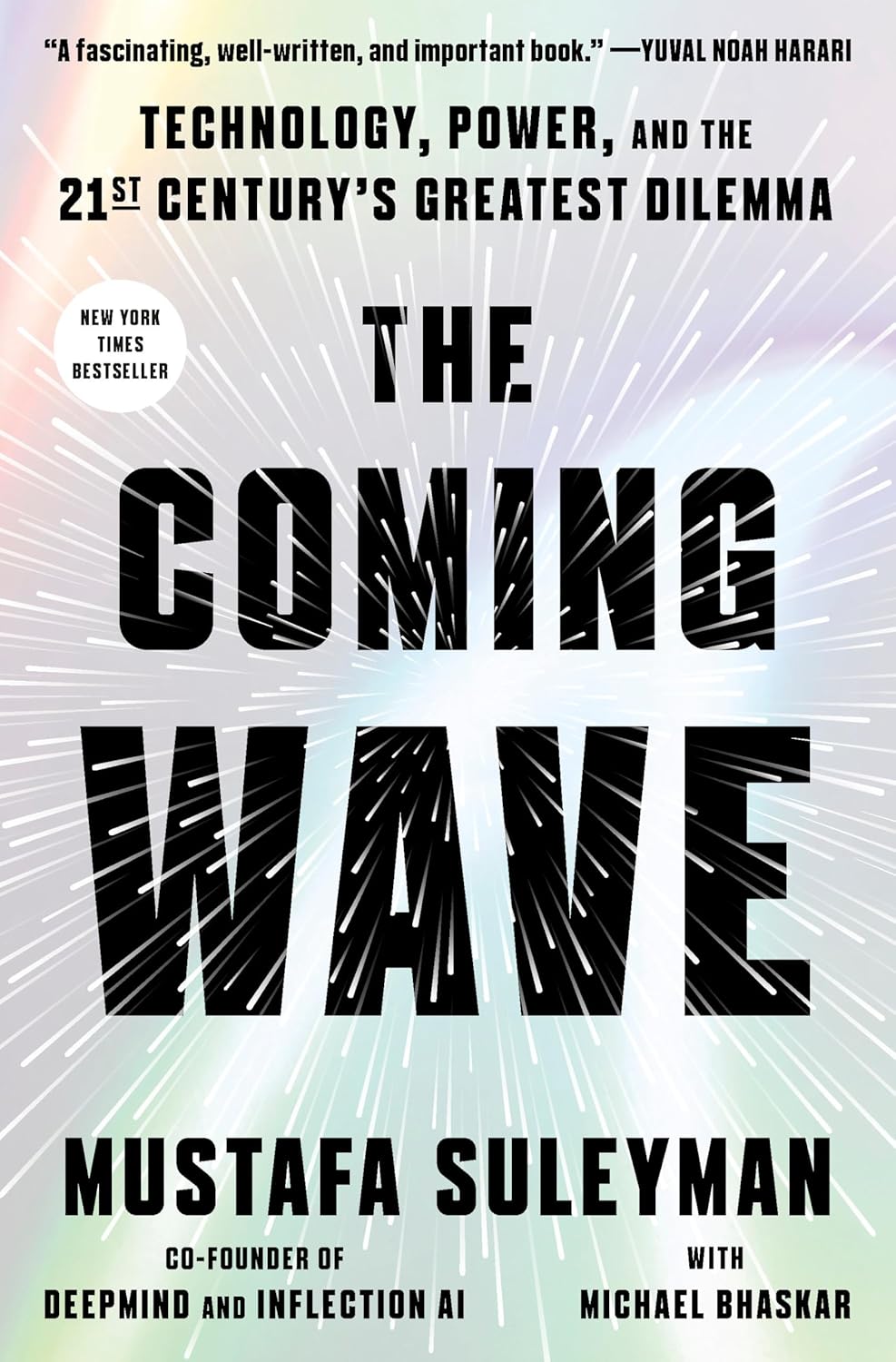
DeepMind co-founder on the dilemma of containing technologies that do not want to be contained.
As an Amazon Associate, Zendoric earns from qualifying purchases; the price does not change for you. · all our recommended books →
🔗 Related on Zendoric
- Trump could unlock Anthropic's most powerful model: the regulatory shift that redefines government control over frontier AI · 2026-06-28
- AI in Amazon's medical consultation: the debate isn't the technology, it's how much it should know about you · 2026-07-09
- UCSF Health tackles the real bottleneck in medical AI: fitting into the hospital, not existing · 2026-07-16