Alibaba's Claude Code Ban Shows the Real US-China AI Fault Line Is Trust, Not Just Chips

🕒 Published on Zendoric: July 7, 2026 · 03:25
Alibaba has barred employees from using Anthropic's Claude Code, pushing its own Qoder platform instead, after Anthropic accused Alibaba of illicitly distilling Claude's capabilities into a weaker model. The tit-for-tat — accusations of theft on one side, security fears on the other — is a small but telling skirmish in the broader US-China AI standoff.
📚 Go deeper

A macroeconomic, sector-by-sector X-ray of how AI redraws the global chessboard over the coming decade, with the human factor at the center.
As an Amazon Associate, Zendoric earns from qualifying purchases; the price does not change for you. · all our recommended books →
We'll send you a confirmation email (double opt-in). Privacy.
Alibaba has banned its employees from using Anthropic's Claude Code, directing them instead to the company's own coding assistant, Qoder. The move follows a public accusation last month from Anthropic that Alibaba had been 'distilling' Claude's capabilities — training a weaker model on the outputs of a stronger one to shortcut its own development. Alibaba, for its part, has framed Claude Code as a potential security risk, a claim bolstered by a Reddit post surfacing a version of the tool that could quietly flag users linked to China. Anthropic's Thariq Shihipar responded that the flagged behavior was part of an anti-abuse experiment aimed at unauthorized resellers and distillation, not surveillance, and said the company has since strengthened its mitigations and meant to remove the mechanism regardless.
The dispute sits inside a broader structural reality: Anthropic already prohibits Chinese companies, and foreign entities owned by them, from using its models at all — so Alibaba's ban is in some sense a mirror image of an exclusion that already existed from the other direction. This is not really a story about one company banning one tool; it's a story about two AI ecosystems that increasingly don't trust each other's software, infrastructure, or intentions, and are building parallel stacks — Qoder instead of Claude Code — as a hedge against both technical and geopolitical risk.
It's also worth noting this isn't purely a US-China story. Microsoft, an American company, discontinued internal Claude Code licenses for its 100,000-engineer team back in May, reportedly because heavy token usage was burning through AI budgets — a reminder that cost and vendor lock-in are pushing companies everywhere toward homegrown or alternative tooling, independent of geopolitics.
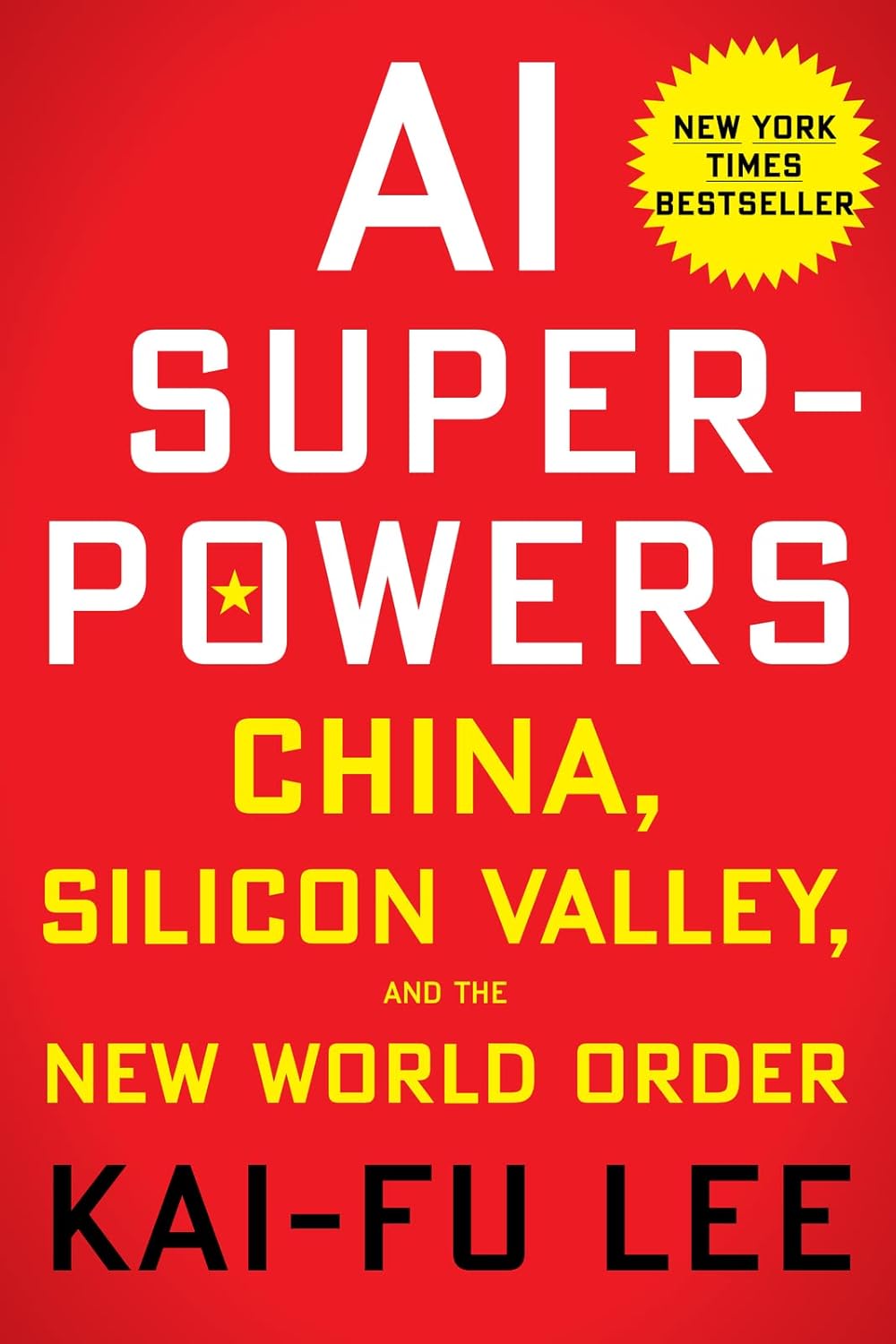
Our reading: this episode is a useful data point for the China-catches-up thesis we've tracked closely. Alibaba isn't just building competitive open-weight models (GLM, Qwen) — it's building the surrounding tooling ecosystem (Qoder) so it doesn't need Western infrastructure at all. Export controls and access restrictions were designed to slow Chinese AI progress, but incidents like this suggest they're just as likely to accelerate self-sufficiency, pushing Chinese firms to build parallel, sovereign versions of everything from models to developer tools. The distillation accusation itself is also a sign of how commercially valuable frontier model outputs have become — valuable enough to allegedly be worth extracting rather than licensing. None of this changes the long-term trajectory toward cheaper, more capable, more distributed AI; it just confirms that the path there runs through a period of mutual suspicion, parallel stacks, and messy accusations on both sides.
📚 Go deeper
China vs.

Semiconductors as the oil of the 21st century: history, espionage, and why an island of 23 million people underpins the entire AI economy.
As an Amazon Associate, Zendoric earns from qualifying purchases; the price does not change for you. · all our recommended books →
Sources & references
Get the analysis by email · free
One email a day analysing the AI essentials. Free, no spam, unsubscribe anytime.
We'll send you a confirmation email (double opt-in). Privacy.