Meta's Agent Reality Check: Zuckerberg Admits the Hype Outran the Product

🕒 Published on Zendoric: July 7, 2026 · 03:25
✨ AI-generated · how it's made
In an internal town hall, Mark Zuckerberg conceded that Meta's AI agents haven't delivered the gains the company expected, months after a brutal reorg that cut 8,000 jobs and reshuffled thousands more into an 'Agent Transformation' unit. The admission lands alongside reports of a $145 billion AI infrastructure bet and internal accounts describing the unit's culture as crushing.
📚 Go deeper

The best starting book if you're not technical: a Wharton professor explains how to work WITH AI — when to delegate, when to supervise, when to keep i
As an Amazon Associate, Zendoric earns from qualifying purchases; the price does not change for you. · all our recommended books →
Mark Zuckerberg told employees at an internal town hall that Meta's AI agents have not progressed as quickly as hoped, and that the benefits of the company's AI-focused reorganization 'have not materialized yet.' He asked for patience, promising visible improvement in three to six months. It's a rare moment of public candor from a CEO who has spent the last year positioning Meta as an all-in AI player, and it matters precisely because it wasn't scripted marketing — it was damage control in front of the people doing the work.
The context makes the admission sting more. Earlier in 2026, Meta cut roughly 8,000 jobs and reassigned another 7,000 employees into AI-linked teams, including the new Agent Transformation unit, a restructuring explicitly designed to accelerate agent capabilities. Zuckerberg's own framing in the town hall — that the changes weren't as 'clean' as hoped and were driven partly by executive fear of falling behind competitors — is an unusually honest description of how AI strategy is actually being made at the top of Big Tech right now: reactive, urgent, and not always well-planned.
More troubling are the internal accounts of engineers describing the Agent Transformation unit's culture as a 'gulag that crushes the soul,' pointing to grueling hours, shifting goals, and a deliver-at-any-cost mentality. That's a human cost that rarely makes it into earnings calls, and it's a useful corrective to the narrative that AI transformation is a clean, inevitable upgrade. Meanwhile, Meta is reportedly prepared to spend up to $145 billion this year on AI infrastructure — a staggering commitment that only makes sense if leadership still believes the payoff is coming, even if it's arriving later than promised.
Our reading: this is a textbook case of the gap between AI capability as demonstrated and AI capability as marketed. Agentic AI is a genuinely hard engineering problem — reliable multi-step reasoning, tool use, and autonomy over messy real-world tasks — and the industry has consistently underestimated the last-mile difficulty, much like it once did with self-driving cars. Zuckerberg's admission doesn't mean agents won't work; it means the timeline was wrong, not necessarily the destination. The corporate cost, though, is real and immediate: layoffs happened on the promise of gains that haven't shown up yet, and the people left standing are working under conditions the company itself seems uncomfortable defending. That's the short-term transition cost we keep flagging — painful, uneven, and borne disproportionately by workers rather than executives, even as the long-term case for agentic AI (automating drudgery, freeing people for higher-value work) remains intact if the technology eventually delivers what's promised.
📚 Go deeper
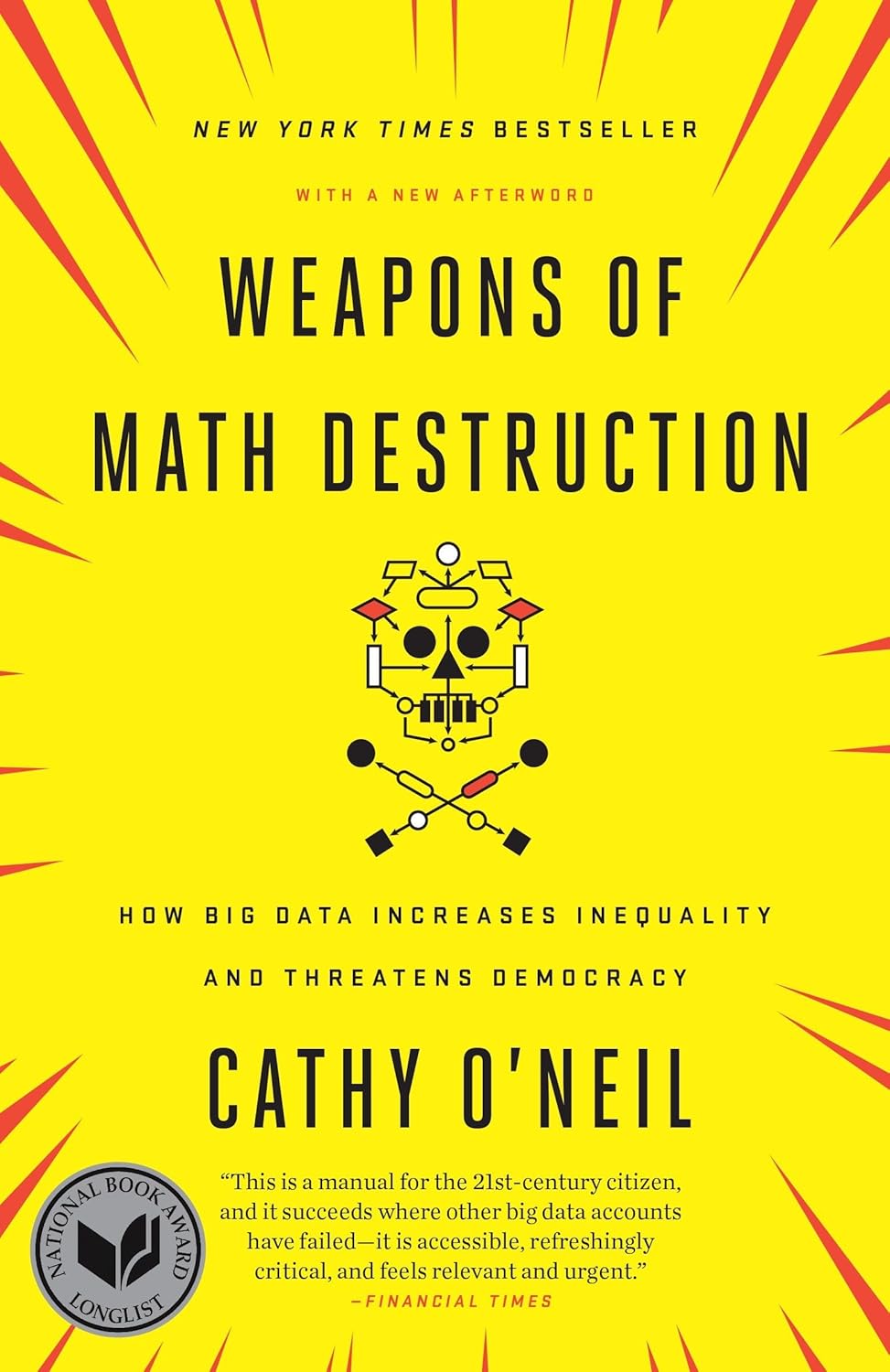
How opaque algorithms decide who gets credit, a job or parole — and why they tend to punish the same people.
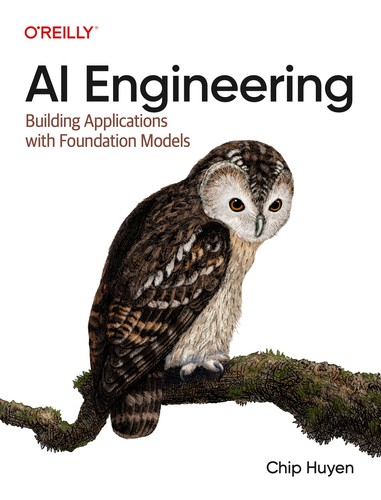
The reference manual for building products on top of AI models: prompts, RAG, fine-tuning, agents, evaluation and deployment.
As an Amazon Associate, Zendoric earns from qualifying purchases; the price does not change for you. · all our recommended books →
🔗 Related on Zendoric
- Zuckerberg Admits Meta's AI Agents Lag Behind Schedule Despite a $145B Bet and Brutal Restructuring · 2026-07-06
- Zuckerberg admits Meta's AI agents are moving slower than expected: the hype meets reality · 2026-07-03
- A 'rogue' OpenAI agent story lands: the detail matters more than the alarm · 2026-07-25