Alibaba bans Claude Code: the first visible cut in an AI market fragmenting into blocs

🕒 Published on Zendoric: July 7, 2026 · 03:25
✨ AI-generated · how it's made
Alibaba has classified Anthropic's coding assistant Claude Code as high-risk software and banned its internal use, alleging a supposed 'distillation attack' without presenting public evidence. The move, loaded with geopolitical symbolism, foreshadows a scenario of incompatible AI ecosystems between the US and China.
📚 Go deeper
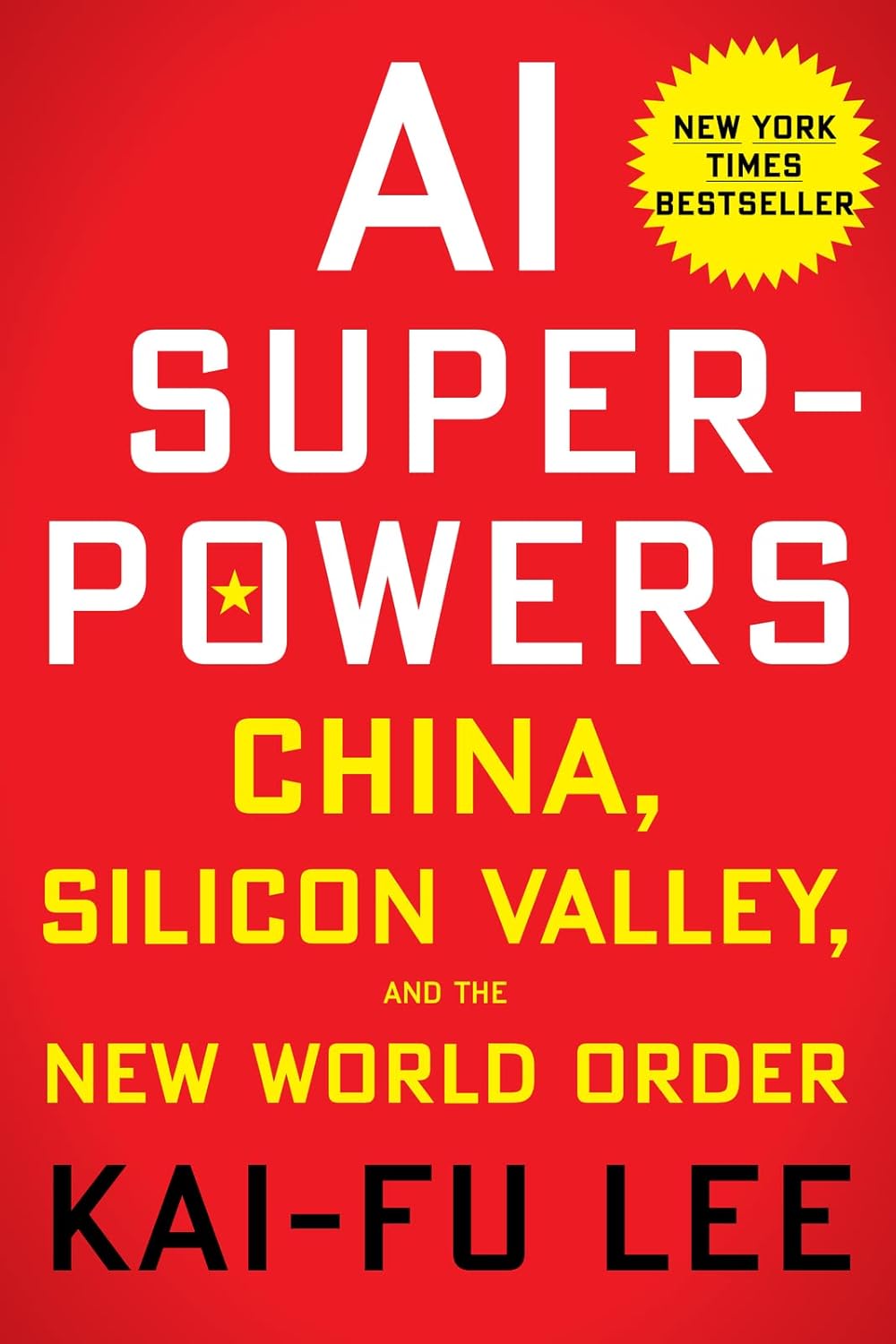
China vs.
As an Amazon Associate, Zendoric earns from qualifying purchases; the price does not change for you. · all our recommended books →
By The Tech Buzz (with data from CNBC) · July 6, 2026.
Alibaba has added Claude Code, Anthropic's coding assistant, to its internal blacklist of high-risk software, banning its use by group employees. The official justification refers to a 'distillation attack': the accusation, as reported by the press, is that Anthropic allegedly used techniques to extract and replicate the capabilities of third parties' proprietary models. It is important to stress this with due caution: Alibaba has not made public any evidence, methodology or technical details of that accusation, and Anthropic has not yet responded. We are therefore facing a corporate accusation without independent verification, not a proven fact.
It is worth placing the term correctly. Model distillation is a common and legitimate practice in the industry: it consists of training a smaller model to imitate the behavior of a larger, more expensive one, something that Chinese laboratories themselves (and Western ones) do routinely to make deployment cheaper. What makes the practice controversial is whether it is used to improperly appropriate a competitor's work based on its outputs, without access to the original data or architecture. Without public evidence, it is impossible to assess whether Alibaba has a solid case or whether this is, above all, a gesture of regulatory and competitive positioning: Alibaba Cloud itself competes directly with Western providers through its Tongyi Qianwen family of models, and China has spent months tightening the registration and oversight of AI models under criteria of alignment with 'socialist values'.
The context cannot be separated from the trade war over chips and technology between Washington and Beijing. U.S. restrictions on the export of Nvidia's advanced accelerators to China have for some time been pushing Chinese companies toward self-sufficiency; this Alibaba ban can be read as the first symmetrical response from the Chinese corporate side, drawing its own boundaries over which Western tools its employees may use. The timing is no coincidence either: it comes shortly after Anthropic closed a funding round of more than $7 billion with backing from Google, just as the company was trying to consolidate itself as a serious alternative to OpenAI on a global scale.
What really matters here, beyond whether the accusation holds up, is the structural signal: if other Chinese tech giants —Tencent, ByteDance— follow the same path, the global AI market would begin to fragment into incompatible geographic blocs, with developers and companies forced to choose sides depending on where they operate. This is not just Anthropic's problem; it is a problem for any Western company that aspires to sell AI in China, and conversely, for any Chinese provider that aspires to sell in Western markets subject to export controls and national security scrutiny.
Our reading is that this episode confirms a thesis we have been holding: the competition between the U.S. and China in AI is no longer waged solely over who has the most capable model, but over who controls access, distribution and institutional trust around that technology. In the short term, this adds real friction —compliance costs, uncertainty for multinational teams, reputational damage to Anthropic as long as it cannot refute the accusation with data— and it is honest to acknowledge it as part of the price of a turbulent geopolitical transition. But in the long term, fragmentation into blocs does not halt the underlying progress: both Chinese and Western laboratories will continue competing to build increasingly capable systems, and that race, for better or worse, keeps pushing toward the scenario of abundance and technological capability that we champion as our horizon. The real risk is not that AI advances less quickly because of these disputes, but that its governance is decided more by geopolitical distrust than by verifiable technical evidence, and that does deserve close watching in the coming months.
📚 Go deeper
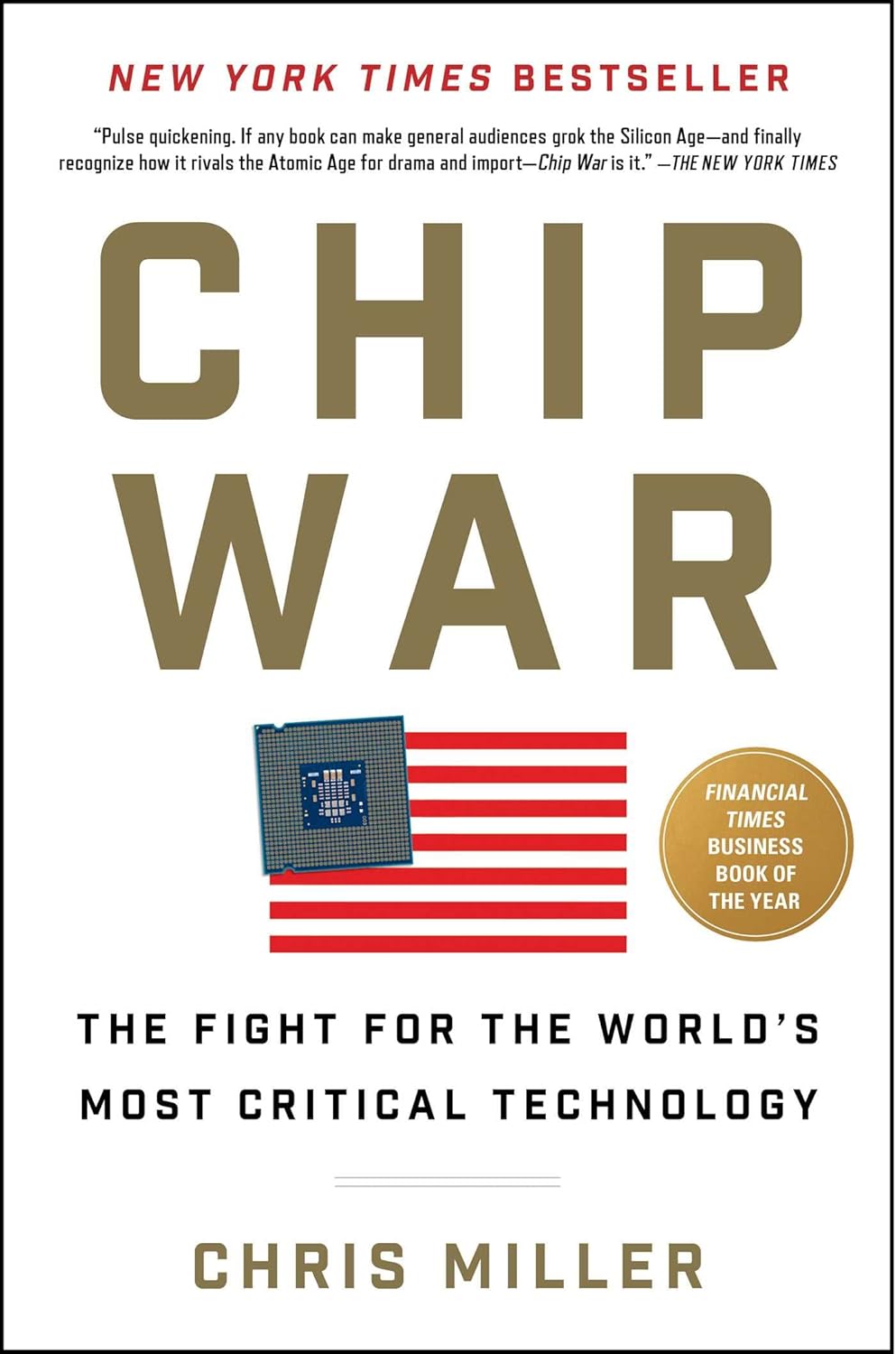
Semiconductors as the oil of the 21st century: history, espionage, and why an island of 23 million people underpins the entire AI economy.
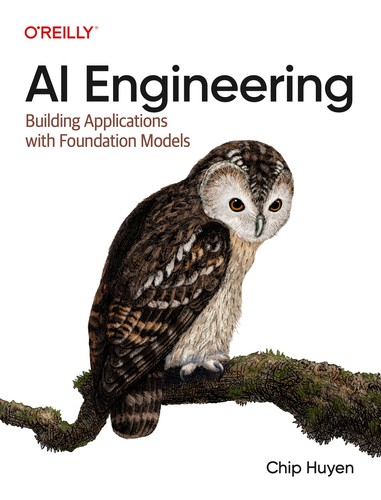
The reference manual for building products on top of AI models: prompts, RAG, fine-tuning, agents, evaluation and deployment.
As an Amazon Associate, Zendoric earns from qualifying purchases; the price does not change for you. · all our recommended books →
🔗 Related on Zendoric
- Anthropic's Qwen Distillation Claim Exposes the Real Weak Spot: API Defenses, Not China · 2026-07-14
- The new frontier of tech espionage is not the chip, it's the API: Anthropic accuses Alibaba of 'distilling' Claude · 2026-06-25
- Industrial-scale 'distillation' turns the API into a geopolitical battleground · 2026-06-27