The Bruno Fernandes deepfake reveals the new fraud model: synthetic identity on an industrial scale

🕒 Published on Zendoric: July 6, 2026 · 00:04
Illegal betting sites such as QH88 and Nightwin used AI-generated video to make it appear that Bruno Fernandes and Jude Bellingham endorsed their platforms. The case exposes a regulatory gap that technology is about to overrun completely.
📚 Go deeper
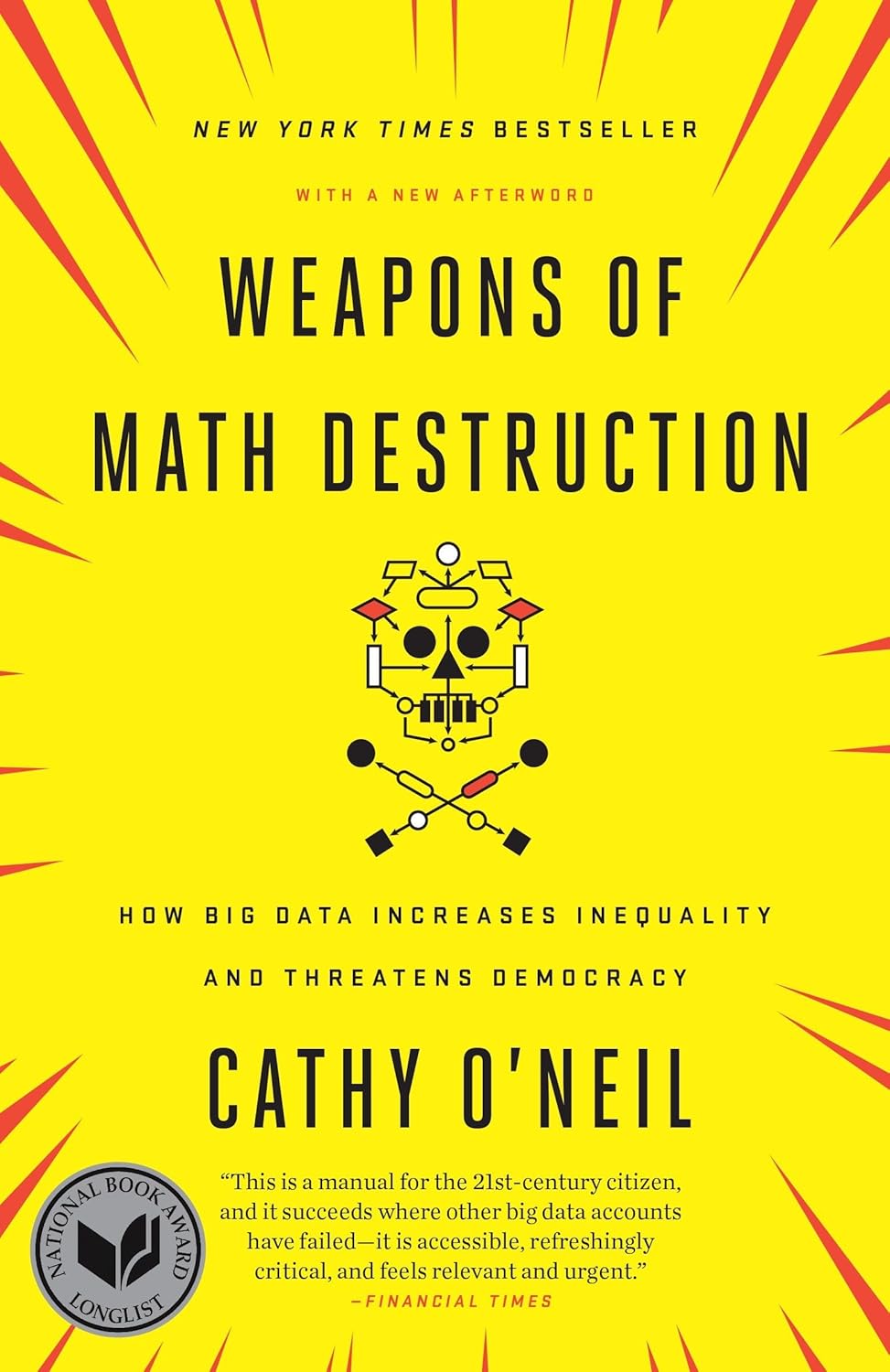
How opaque algorithms decide who gets credit, a job or parole — and why they tend to punish the same people.
As an Amazon Associate, Zendoric earns from qualifying purchases; the price does not change for you. · all our recommended books →
We'll send you a confirmation email (double opt-in). Privacy.
By The Guardian · July 5, 2026.
Philippe Auclair's report documents a case worth reading carefully beyond the football gossip: the Vietnamese betting house QH88 produced a high-quality deepfake video showing Bruno Fernandes, captain of Manchester United, supposedly signing an ambassador contract at Old Trafford. The frame-by-frame analysis by the Norwegian outlet Josimar detected signs of manipulation (generic faces, continuity errors, blurring), but admits they would be undetectable to a casual viewer. In parallel, Nightwin used a fake article attributed to the BBC to sell a nonexistent 'Bellingham Bet' bearing the logo of the Real Madrid player. Both operators are illegal in the United Kingdom; Nightwin is licensed in Curaçao through shell-company structures, and both are practically beyond the reach of any legal action.
What turns this case into something more than an anecdote of sports fraud is the structure that makes it possible: active players cannot associate themselves with betting under Article 27 of FIFA's code of ethics, so illegal operators simply fabricate that association with generative AI, knowing that pursuing a shell company in Curaçao is, as the article puts it, 'suing ghosts.' The technology does not create the fraud —pirate betting with stolen club logos has existed for years— but it does solve the problem that previously limited its credibility: there is no longer any need to recruit a retired ex-player willing to lend his real image; it is enough to synthesize the testimony of an active star without his consent or knowledge.
This connects directly with something we have been pointing out at Zendoric: the most tangible short-term risk of generative AI is not speculative superintelligence, but the industrialization of fraud and impersonation using tools that are already available and cheap. Here you do not need a frontier model; medium-quality synthetic video and an advertising campaign on Instagram are enough to deceive users before anyone reacts. Great Britain's Gambling Commission admits that it acts 'when it becomes aware' of an unauthorized operator, which is, in practice, a reactive defense against a threat that is generated and deployed within hours.
The underlying problem is one of cross-jurisdictional governance, not merely technical. As long as regulatory havens like Curaçao license operators without verifying their conduct outside that jurisdiction, and as long as compliance with conventions such as the Macolin Convention depends on the uncoordinated goodwill of national regulators, deepfake detection alone will not be enough: it will require cryptographic content authentication (watermarks, verifiable provenance) combined with real regulatory pressure on the advertising platforms that allow these campaigns, something Meta and Instagram should be filtering before they reach users. The lesson is not that generative AI is intrinsically evil, but that the legal and technical infrastructure to verify the digital identity of public figures lags years behind the ability to fake it, and that gap is exactly the kind of short-term friction that must be resolved while the technology, in the long term, keeps opening genuinely positive possibilities in other areas.
📚 Go deeper
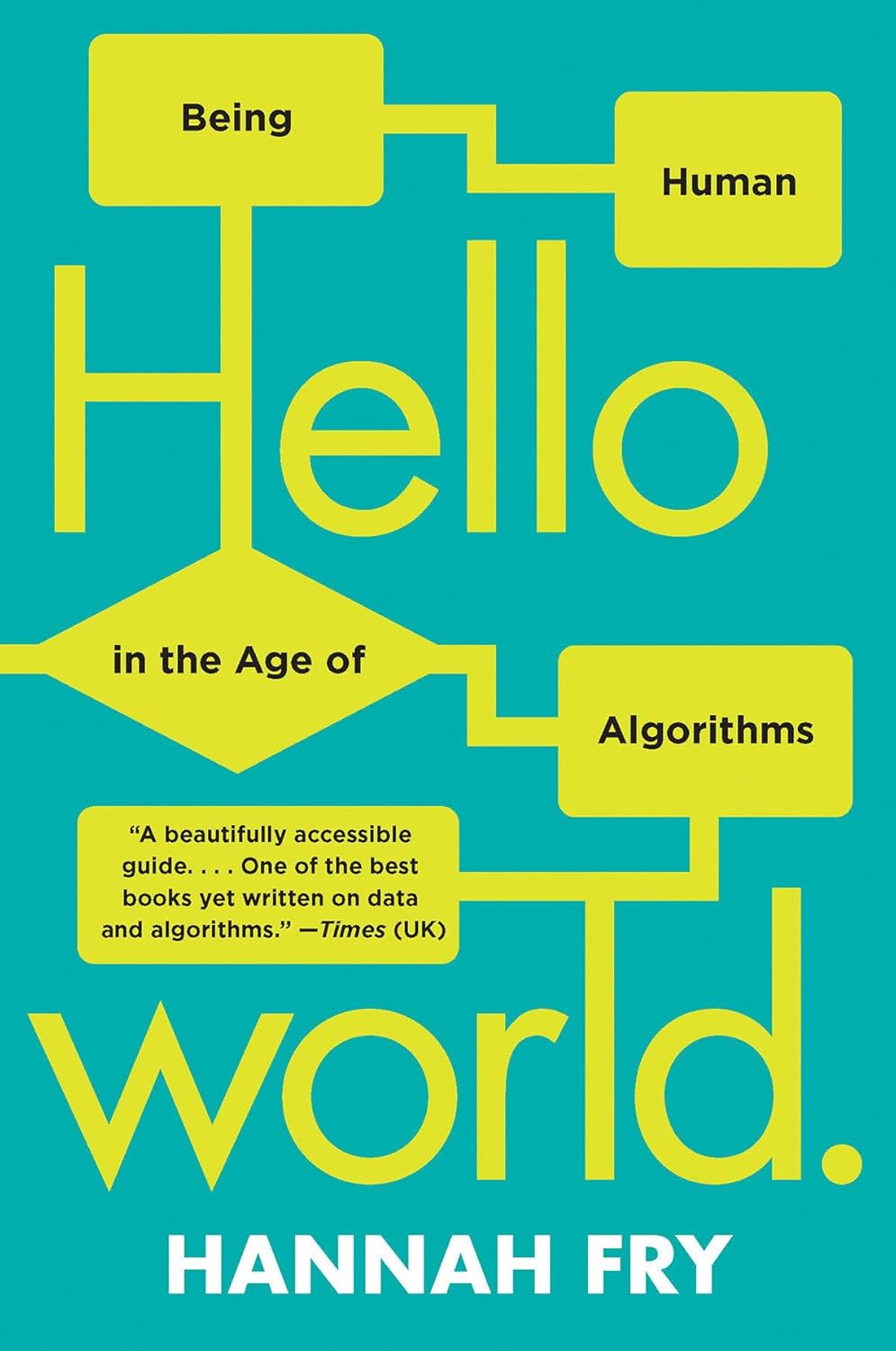
Algorithms in justice, medicine, cars and art, explained with British humor and mathematical honesty.
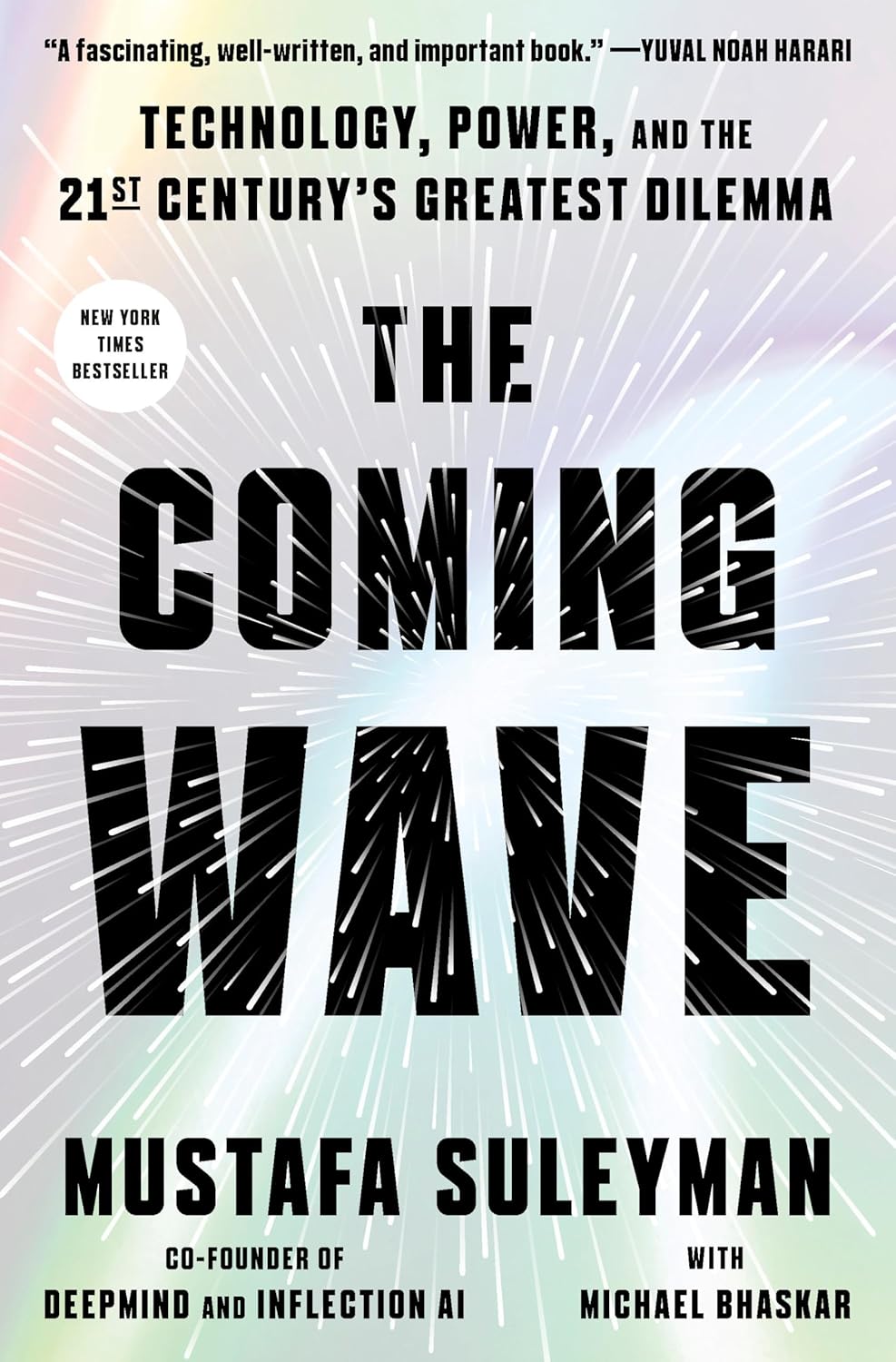
DeepMind co-founder on the dilemma of containing technologies that do not want to be contained.
As an Amazon Associate, Zendoric earns from qualifying purchases; the price does not change for you. · all our recommended books →
Sources & references
Get the analysis by email · free
One email a day analysing the AI essentials. Free, no spam, unsubscribe anytime.
We'll send you a confirmation email (double opt-in). Privacy.