Alibaba's Claude Code Ban Signals the Splintering of the Global AI Stack

🕒 Published on Zendoric: July 6, 2026 · 00:04
✨ AI-generated · how it's made
Alibaba has barred employees from Anthropic's Claude Code amid mutual accusations of model theft and security risk, pushing staff toward its homegrown Qoder platform instead. It's a small corporate memo with a big geopolitical shadow: the AI world is fracturing into rival, mistrustful stacks.
📚 Go deeper
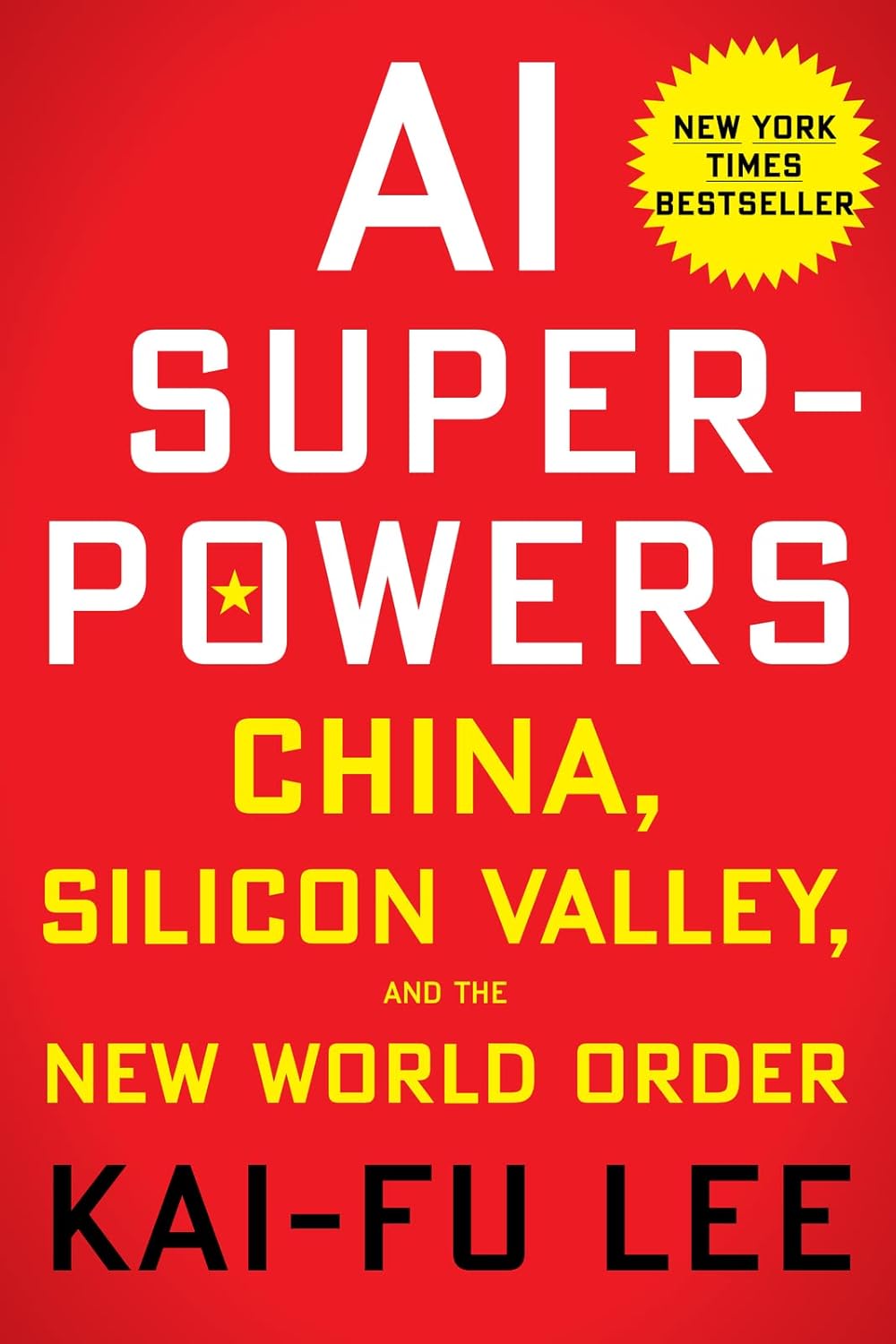
China vs.
As an Amazon Associate, Zendoric earns from qualifying purchases; the price does not change for you. · all our recommended books →
Alibaba has told its employees to stop using Anthropic's Claude Code, directing them instead to the company's own coding platform, Qoder. On the surface this reads as a routine corporate IT policy. In context, it's something more telling: the latest data point in an accelerating decoupling between American and Chinese AI ecosystems, driven not by ideology but by concrete, mutual accusations of theft, espionage, and abuse.
The backstory matters. Last month Anthropic accused Alibaba of illicitly 'distilling' Claude's capabilities — essentially training a weaker model on Claude's outputs to cheaply approximate its performance, a well-known shortcut in the industry but one Anthropic treats as IP theft. Alibaba's response, according to Reuters, framed Claude Code itself as a security risk, and a Reddit post surfaced code inside Claude Code capable of covertly identifying users linked to China. Anthropic's own engineer, Thariq Shihipar, confirmed the code existed but described it as an anti-abuse and anti-distillation experiment aimed at unauthorized resellers — since scaled back, he says, and overdue for removal. Whether one reads that as a proportionate anti-fraud measure or as evidence of built-in surveillance depends entirely on which side of the Pacific you sit.
This is not an isolated skirmish. Anthropic already prohibits Chinese companies and their foreign-owned subsidiaries from using its models outright, a policy that predates this specific dispute and reflects the broader US export-control regime around frontier AI. Alibaba's ban is, in a sense, the mirror image: rather than wait to be locked out, it is locking its own engineers in, steering 100,000-plus workers back to domestically controlled tooling. It's a preview of a world where 'which AI stack you're allowed to touch' becomes as consequential as 'which AI stack is best.'
Our recurring read on export controls applies squarely here: restricting access to frontier tools doesn't necessarily contain a rival's capability — it often accelerates the rival's push toward self-sufficiency. Alibaba isn't retreating from AI coding tools; it's redirecting engineering effort into Qoder, hardening China's own stack precisely because the American one has become politically and legally unreliable. Every ban, on either side, is also a subsidy for the other side's independence. This is the same dynamic we've tracked in the broader US-China AI race: 'catching up' isn't always about raw benchmark scores, it's about who controls the infrastructure you're forced to build when you can no longer borrow someone else's.
It's worth noting this isn't purely a US-China story either — Microsoft separately pulled Claude Code licenses from its own engineering team in May, but for a mundane reason: token costs were burning through AI budgets faster than the productivity gains justified. That's a useful reminder that geopolitics and economics are now tangled together in every enterprise AI decision: is a tool being restricted because it's dangerous, because it's expensive, or because it's foreign? Increasingly, the answer is 'all three at once,' and companies are having to build contingency stacks for reasons that have nothing to do with model quality.
Our takeaway: this dispute is a small, concrete illustration of a much larger and, in the long run, healthy trend — AI capability is no longer concentrated in one or two companies but is being replicated, contested, and rebuilt across borders. Short-term, that means friction, mistrust, and fragmented tooling for engineers caught in the middle. Long-term, competitive pressure between American and Chinese labs — even when driven by accusation and suspicion — tends to compress the price and expand the availability of powerful AI tools everywhere, which is exactly the kind of dynamic that eventually pushes the technology toward the abundance we keep betting on.
📚 Go deeper
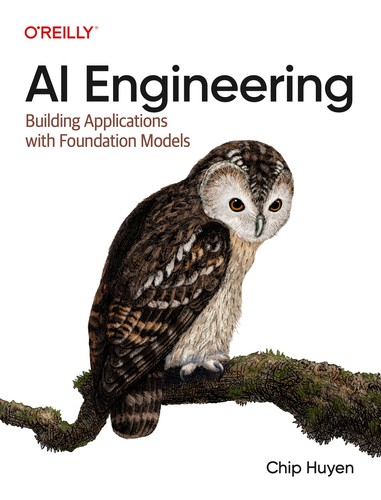
The reference manual for building products on top of AI models: prompts, RAG, fine-tuning, agents, evaluation and deployment.
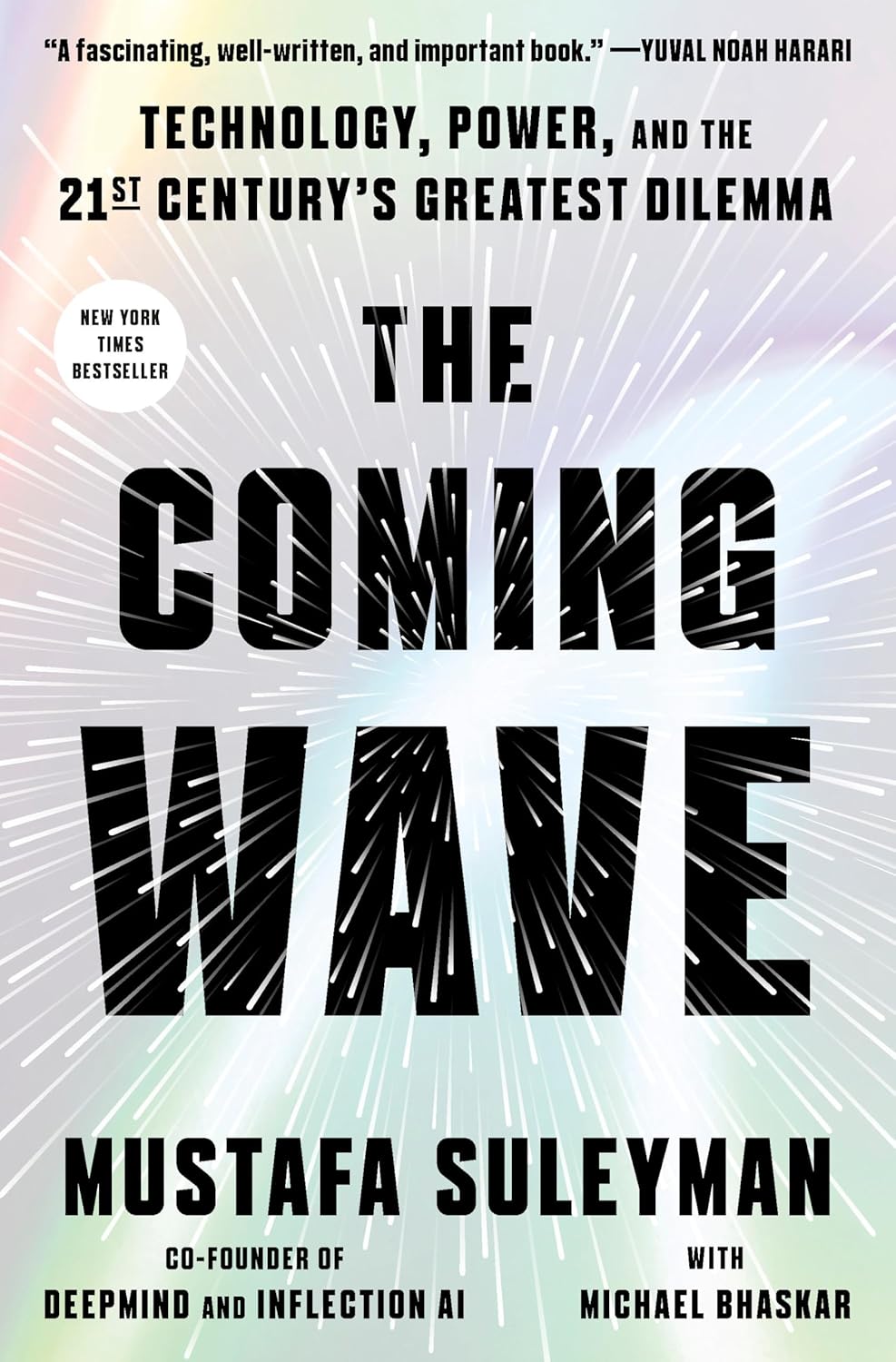
DeepMind co-founder on the dilemma of containing technologies that do not want to be contained.
As an Amazon Associate, Zendoric earns from qualifying purchases; the price does not change for you. · all our recommended books →
🔗 Related on Zendoric
- Alibaba's Claude Code Ban Shows the Real US-China AI Fault Line Is Trust, Not Just Chips · 2026-07-07
- Industrial-scale 'distillation' turns the API into a geopolitical battleground · 2026-06-27
- Alibaba bans Claude Code over hidden tracking of Chinese users; Anthropic responds by accusing it of mass distillation · 2026-07-05