Saying 'yes' on the phone is now a risk: AI voice cloning turns trivial questions into a trap
🕒 Published on Zendoric: July 6, 2026 · 00:04
A viral TikTok tip warns of calls that start with 'can you hear me?' or 'do you have a moment?' to record your 'yes' and use it in fraudulent authorizations or to fool voice-verification systems. The trick reveals both the growing sophistication of these scams and the cracks that still exist in conversational bots.
📚 Go deeper
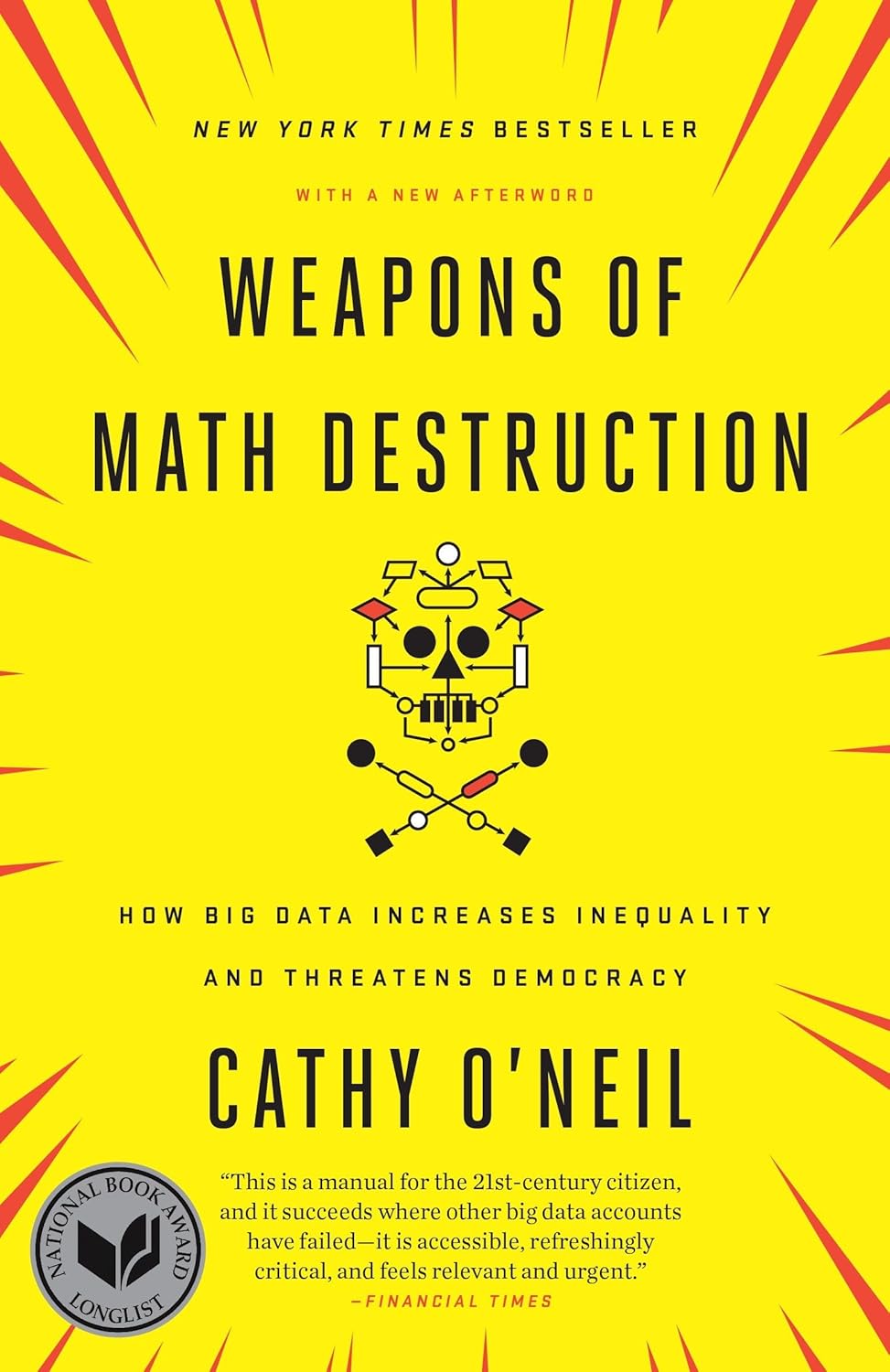
How opaque algorithms decide who gets credit, a job or parole — and why they tend to punish the same people.
As an Amazon Associate, Zendoric earns from qualifying purchases; the price does not change for you. · all our recommended books →
We'll send you a confirmation email (double opt-in). Privacy.
By Irish Mirror · July 5, 2026.
The advice that has spread on TikTok is simple and somewhat unsettling: if a stranger calls and asks 'can you hear me?', 'are you the homeowner?' or 'do you have a moment to talk?', don't answer 'yes'. According to the expert who circulated the warning, Hector Chavez, these trivial questions are actually a hook designed to record your voice saying that specific word, a fragment that can later be used to authorize fraudulent charges or to fool voice authentication systems that verify identity through short phrases. His recommendation: don't answer with a direct 'yes', first ask who is calling and why, and hang up if the answer is evasive or there is an odd silence. The British organization Age UK had warned months earlier of another variant of the same problem: scammers who pose as bank staff and who, in some cases, keep the line open even after the victim hangs up, which is why they advise verifying from another phone or waiting several minutes before making a check call.
What matters here is not the advice itself —common sense, and already known in the world of home cybersecurity— but what it reveals about the current state of AI voice cloning. The fact that a recording of a single word, a simple 'yes', is already considered risky enough material to clone a voice and use it in authorization fraud is proof of how far the technical and economic bar has dropped for producing convincing audio deepfakes. A long sample or clean recording conditions are no longer needed: with minimal fragments, today's cloning models can generate audio credible enough to pass automated verifications or convince a relative that they are speaking with a loved one in trouble. It is the same dynamic we documented when discussing AI-powered bank fraud, with projections pointing to strong growth in the coming years, driven precisely by tools of this kind.
There is, however, a detail in the comments of the TikTok thread itself that deserves more attention than it receives: several users explain that responding with unexpected phrases —'how can I help you?', or simply staying silent— makes 'the bot hang up'. It is a valuable clue about the current limitations of these automated scam systems: many still operate with rigid scripts and fail at any deviation from the expected pattern, giving themselves away as non-human. That fragility is, today, our main practical defense. But the warning itself says it bluntly: 'with AI improving so fast, this could get worse'. And it is right: real-time conversational voice models are advancing at a pace that will close these cracks sooner than we would like.
Our reading is that this type of fraud illustrates well the hard transition we defend without sugarcoating: in the short term, the asymmetry favors the attacker, because cloning a voice is cheap and detecting the cloning remains expensive and manual, delegated to the common sense of the ordinary citizen. The reasonable response is not only to educate the public —essential, but insufficient— but to demand that voice authentication stop depending on a word spoken over the phone and move toward multifactor systems that cannot be reduced to a stolen audio clip. In the long term, the same technology that today clones voices to deceive is the one that will make it possible to build real-time audio deepfake detectors, integrated into the phone itself, capable of warning you before you finish saying 'yes'. The abundance that AI promises does not eliminate these risks overnight, but it does point to a future in which automated defense matches, and probably surpasses, the offensive. Until that point arrives, the most effective recommendation remains the oldest of all: if you don't know the number, let it go to voicemail.
📚 Go deeper
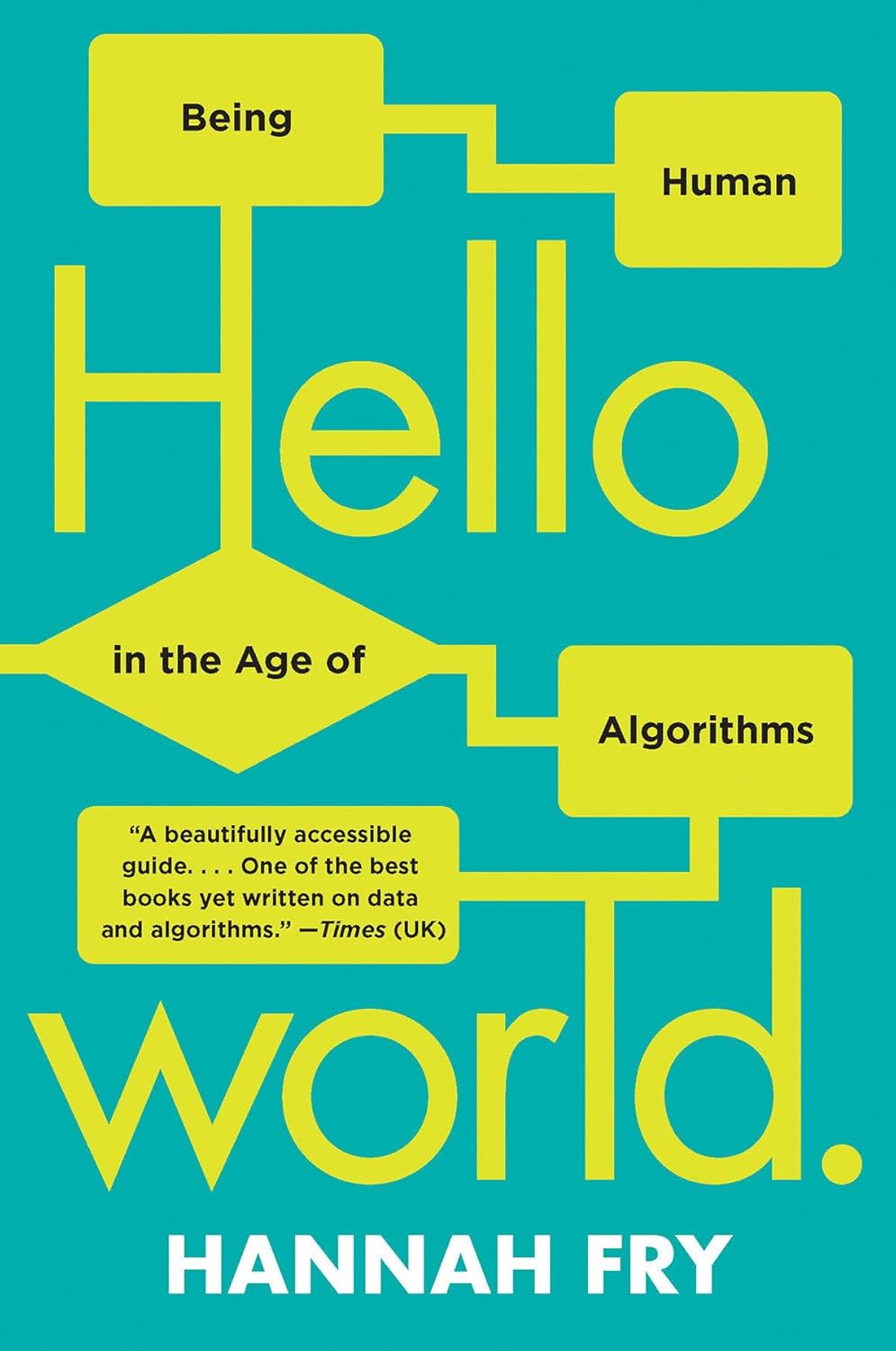
Algorithms in justice, medicine, cars and art, explained with British humor and mathematical honesty.
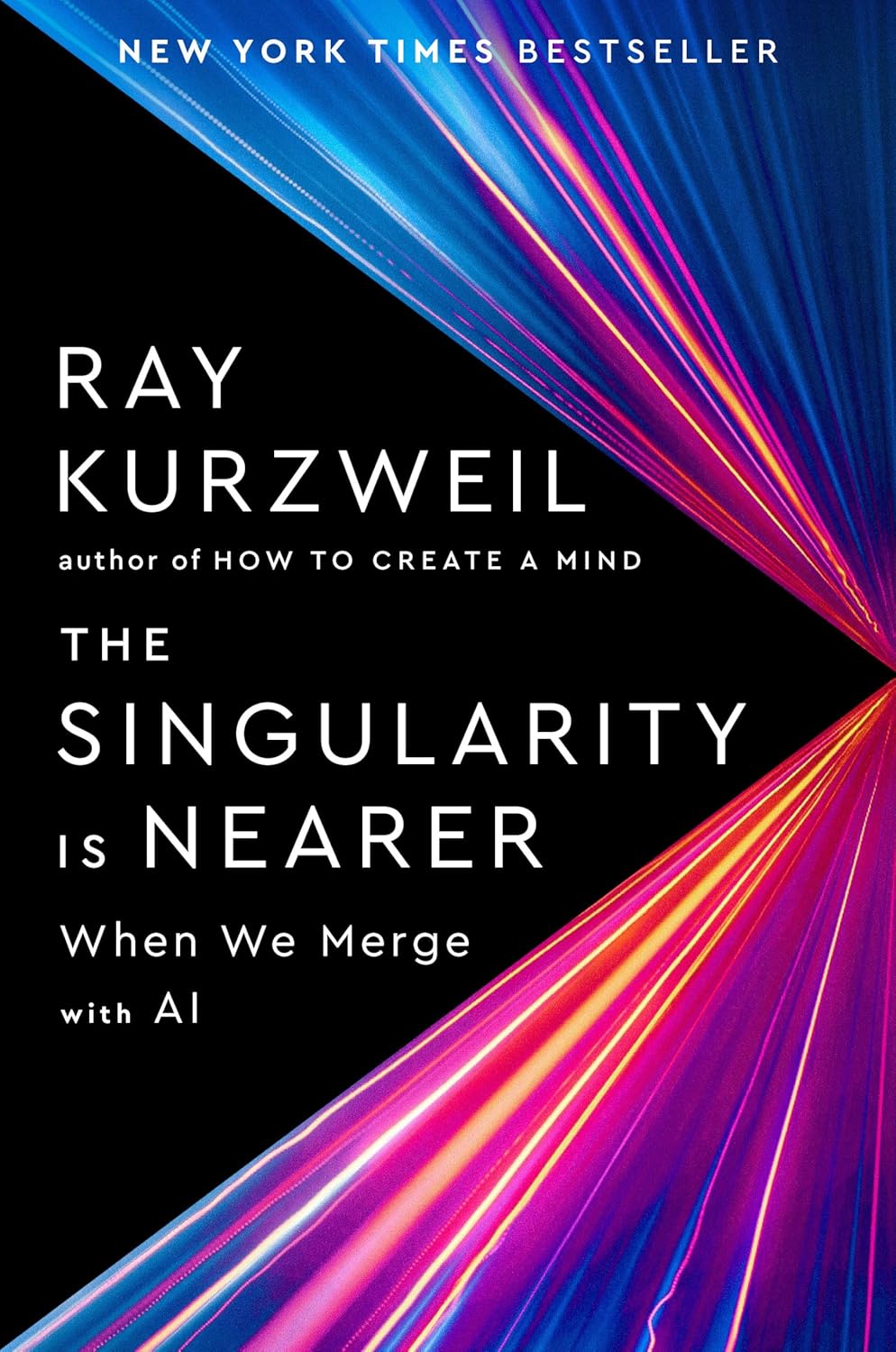
Twenty years after "The Singularity Is Near", Kurzweil revisits his predictions and keeps the date: human-AI merger around 2045.
As an Amazon Associate, Zendoric earns from qualifying purchases; the price does not change for you. · all our recommended books →
Sources & references
Get the analysis by email · free
One email a day analysing the AI essentials. Free, no spam, unsubscribe anytime.
We'll send you a confirmation email (double opt-in). Privacy.