Zuckerberg Admits Meta's AI Agents Lag Behind Schedule Despite a $145B Bet and Brutal Restructuring

🕒 Published on Zendoric: July 6, 2026 · 00:04
✨ AI-generated · how it's made
Mark Zuckerberg told employees at a town hall that Meta's AI agents haven't delivered the gains the company expected, even after thousands of layoffs and reassignments meant to accelerate them. The admission is a rare moment of candor from a CEO racing to justify one of tech's largest capital bets.
📚 Go deeper
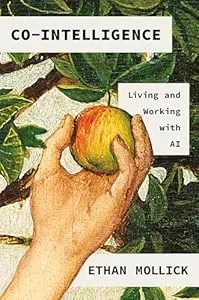
The best starting book if you're not technical: a Wharton professor explains how to work WITH AI — when to delegate, when to supervise, when to keep i
As an Amazon Associate, Zendoric earns from qualifying purchases; the price does not change for you. · all our recommended books →
Mark Zuckerberg told staff in an internal town hall that Meta's push into AI agents has not moved as fast as the company hoped, according to reports citing Reuters. The admission followed a corporate reorganization earlier in 2026 that included roughly 8,000 layoffs and the reassignment of another 7,000 employees into AI-focused groups, one of them a unit called Agent Transformation. Zuckerberg reportedly conceded the restructuring wasn't as "clean" as planned and that the new structure has yet to show the benefits it promised, while asking employees for patience and forecasting improvement within three to six months.
The context matters as much as the quote. Meta is reportedly on track to spend up to $145 billion this year on AI infrastructure, an eye-watering figure justified internally, according to Zuckerberg's own account, by executive fear of falling behind competitors — not necessarily by a clear technical roadmap. That's a telling admission: strategic decisions of this scale were driven partly by competitive anxiety, and now the company is publicly recalibrating expectations after the fact. Reports from inside the Agent Transformation unit describe grueling conditions, with some engineers reportedly describing the environment as a "soul-crushing gulag," pointing to shifting goals and relentless pressure to ship results.
This episode is a useful corrective to the industry's own hype cycle. Agentic AI — models that don't just answer questions but autonomously execute multi-step tasks — has been marketed by nearly every major lab as the next leap, arriving imminently. Meta's admission that its own internal agent initiatives haven't materialized as promised is a reminder that the gap between demonstrated capability and aspirational marketing remains wide, even for a company spending nine figures to close it. This aligns with a pattern we've tracked across the sector: benchmark saturation, optimistic Elo scores, and confident roadmaps often outrun what ships in production.
There's also a human cost story buried in the headline. The layoffs, reassignments, and reportedly brutal internal culture inside the Agent Transformation unit are a microcosm of the broader employment disruption AI is causing — not just displacing external jobs in customer service or back-office work, but reshaping internal engineering teams under pressure to deliver on promises made to investors and competitors. When a CEO admits publicly that a major reorg was driven by fear rather than a fully baked plan, it's a signal that even the companies building this technology are still improvising the transition, not executing a mastered playbook.
Our reading: this is not evidence that agentic AI is a dead end — it's evidence that the timeline for productizing frontier capability at scale is longer and messier than the marketing suggests, even for a company with Meta's resources. Short term, this validates skepticism about breathless agent hype and confirms that internal reorganizations built on competitive fear extract a real toll on workers. Long term, though, the underlying trajectory hasn't changed: agentic systems capable of real autonomous work are coming, and the fact that even well-funded giants are stumbling on execution doesn't undercut the destination — it just confirms, again, that the road there runs through friction, not straight lines. Meta's $145 billion bet is a wager that the destination is worth the current pain; the honest admission that the pain is real, and ongoing, is exactly the kind of transparency this industry needs more of.
📚 Go deeper
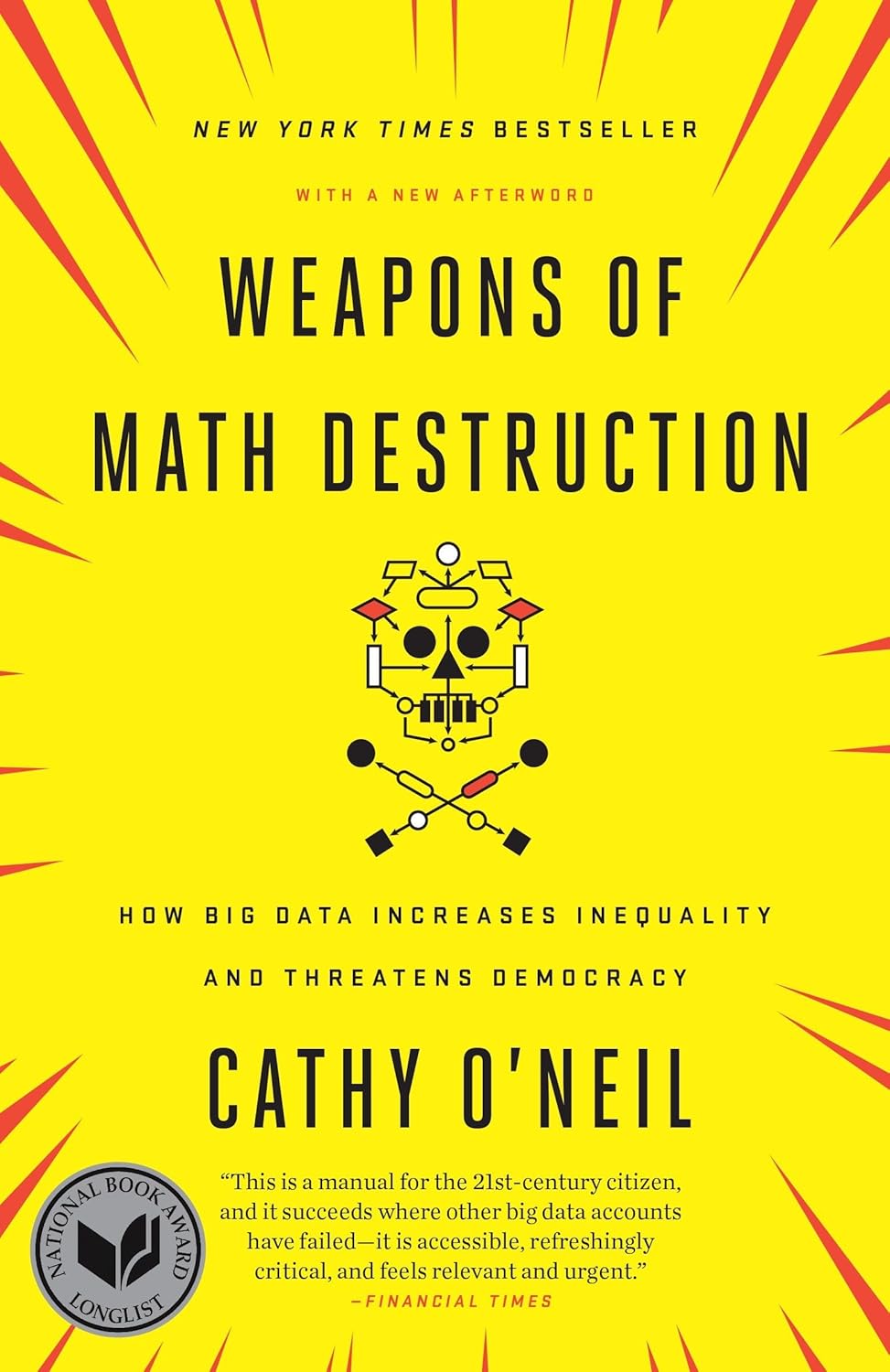
How opaque algorithms decide who gets credit, a job or parole — and why they tend to punish the same people.
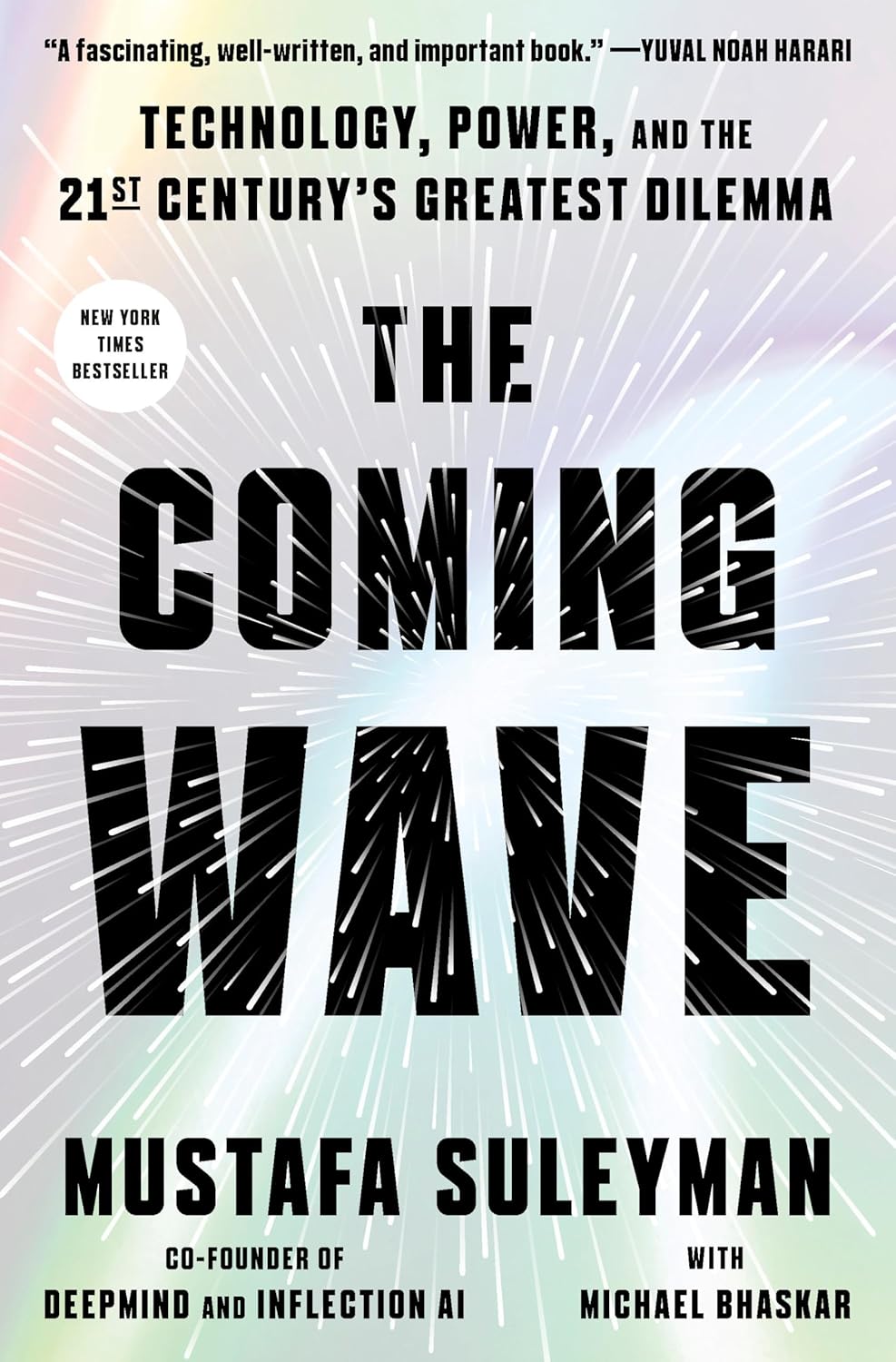
DeepMind co-founder on the dilemma of containing technologies that do not want to be contained.
As an Amazon Associate, Zendoric earns from qualifying purchases; the price does not change for you. · all our recommended books →
🔗 Related on Zendoric